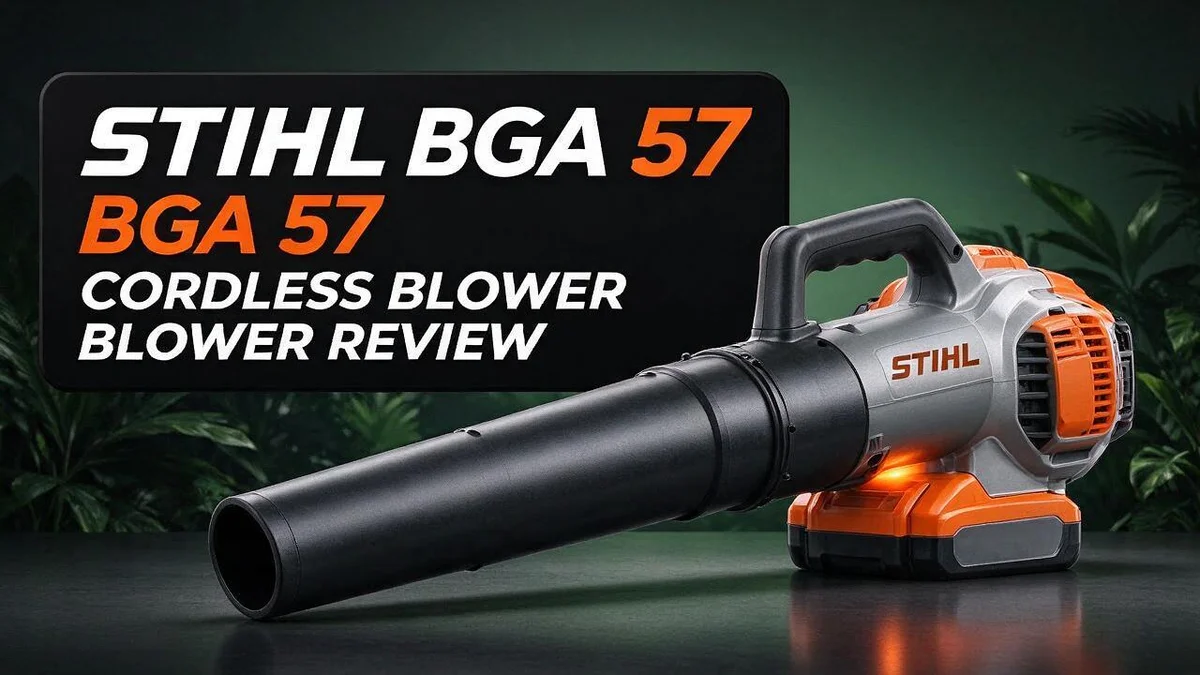
Stihl BGA 57 Cordless Blower Review: Airflow, Battery Life and Verdict
Leaves piling up on your lawn? A good blower makes cleanup fast and simple.
The Stihl BGA 57 Cordless Blower is a strong choice for busy gardeners. It packs real power into a lightweight body.
This model reaches a top air velocity of 123 MPH. It also moves 365 CFM of air. That force clears wet leaves, grass clippings, and loose debris with ease.
Yet it stays easy to handle. Reviewers describe it as lightweight and powerful. It suits most medium and large gardens, so you can cover big areas with less effort.
The package includes a battery and charger. You can start working right away.
Is this blower the right fit for your yard? Keep reading to see its key features and how it compares with other Stihl and rival models.
In a Nutshell
-
Airflow reaches 365 CFM, so it moves wet leaves and loose debris with ease. Strong airflow matters most when you clear wide areas. You finish sweeping paths in less time.
-
Best suited to medium and large gardens, where a small blower would tire your arms. Large lawns and long driveways need steady power. This model handles that workload well.
-
Reviewers describe the blower as both light and powerful. That mix is hard to find in one tool. Many buyers want that balance.
-
Stihl also sells the BGA56 and BGA85, so you can compare models within one brand. The BGA85 may need a separate battery purchase, so check the box contents first.
-
A forum user said a rival brand had shorter battery life and held up less well in barn use. This makes runtime a key point to weigh when you shop.
-
No major drawbacks appear in the current research. Still, read fresh reviews before you decide. Recent feedback can reveal new issues.
Airflow and Power Performance

- Stihl BGA 57 Compact battery blower with AK 20 and AL 101
- LEAF BLOWERS
- Stihl
Last update on 2026-11-01 / Affiliate links / Images from Amazon Product Advertising API
Air speed lifts stuck debris, while air volume moves it across the lawn. Both work together to give you a clean finish.
Think of speed as the force that frees leaves from grass and cracks. Volume decides how far they travel in each pass. A blower needs both to save you time.
Wet leaves are the real test. They cling to grass, mulch, and paving stones. Strong airflow helps break that grip, so you can gather them into a pile fast.
Dry debris is simpler. Pine needles, grass clippings, and small twigs usually move with less effort. For these jobs, you can use a lower setting.
Many cordless models offer variable speed control. Check your unit for a trigger or dial that adjusts output. Lower settings also help stretch battery life.
Angle matters too. Aim the nozzle low, close to the ground, and sweep in long, steady passes. This pushes debris into one tidy pile instead of scattering it across beds.
Work in a pattern for the best results. Start at the far edge of the lawn and move toward the gate or driveway. This keeps leaves from blowing back onto areas you already cleared.
Clear the path before you start. Move toys, hoses, and empty pots out of the way. Loose objects can fly when airflow hits them, so a quick scan saves trouble.
Wear eye protection every time. Flying grit can sting, and fine dust can irritate your eyes. Gloves and sturdy shoes also make longer sessions more comfortable.
Strong airflow also reduces the need for raking. Many gardeners finish a medium yard in one session instead of two. That leaves more time to relax on the porch.
Test the blower on a small patch first. Watch how the debris reacts, then adjust your speed and angle. Small changes often make a big difference in results.
Battery System and Runtime
Battery life shapes how much work you finish in one go. A blower that runs out of power mid task forces a pause. Good planning keeps your cleanup smooth from start to finish.
Match the workload to your yard. A small patch of leaves needs only a short session.
A large lawn with many trees may need extra time on the battery. Split big jobs into smaller blocks so you can rest the tool and yourself.
If you own a spare battery, keep it nearby on big jobs. Swapping packs lets you keep moving without a long wait.
Charge the empty pack while you work on the other side of the garden.
Charge the battery before each session. A full charge gives you the most time outside. Let the pack cool after heavy use before recharging.
Store the battery indoors in mild temperatures. Extreme heat or cold can shorten its life over time. A dry shelf in a shed or garage works well.
Check the battery level before you start. A quick check saves you from a sudden stop. Small habits like this help the blower perform at its best.
Pay attention to how the blower sounds. A weaker charge often shows as less power during use. If the airflow drops, stop and recharge rather than pushing the tool harder.
Runtime also depends on how you use the tool. Full throttle drains the pack faster than a lower setting. Use the highest speed only for stubborn wet leaves and step down for light debris.
A small pause helps too. Give the blower a short rest every twenty minutes of heavy use.
Plan your route before you switch on. Walk the lawn once and mark the heavy spots. This way you spend less time searching and more time clearing.
Good battery habits keep your blower ready. Charge it, store it well, and watch the power level during use. With these simple steps, your Stihl blower stays ready for every fall cleanup. Your yard will look tidy in less time.
Weight and Handling
Weight matters more than most people expect. A blower that feels heavy after five minutes slows you down. The Stihl BGA 57 keeps the load easy to manage during longer cleanups.
Balance plays a big role in comfort. When the weight sits close to your body, your wrist stays relaxed. Your arm does not fight the tool with every sweep.
Hold the unit at a relaxed height. Keep the nozzle low and angled toward the ground. Avoid lifting it above your shoulders for long periods, because that position tires your arms fast.
Check your grip before you start. Keep your hand firm but not tight. A loose grip reduces strain on your fingers and forearm.
Stance matters too. Stand with your feet apart and your knees slightly bent. This spreads the load across your legs and back instead of your lower back alone.
When you walk between areas, carry the blower by its handle beside your leg. Turn off the motor before you move across steps, uneven ground, or wet grass.
Listen to your body. Take a short break when your wrist or shoulder starts to ache. Rest the blower on a flat surface while you stretch and breathe.
Hang the blower on a wall hook when you finish. This keeps the handle clear and the tool ready for the next session. It also stops the unit from leaning against a fence or wall.
Comfort makes cleanup feel quick. A light and balanced tool helps you finish the job without strain. You spend less time resting and more time enjoying a tidy yard.
Top 3 Alternatives
Looking for a different cordless blower? These three options are strong choices. Each one fits a different yard and battery setup.
Ryobi ONE+ Blower

Last update on 2026-11-01 / Affiliate links / Images from Amazon Product Advertising API
The Ryobi ONE+ Blower works well for quick cleanups around the house. It runs on the same battery that powers many other Ryobi tools. You can use one battery for your whole tool kit. It clears leaves, grass clippings, and light debris with ease. It is a great pick for homeowners with small to medium yards.
DeWalt 20V MAX Blower

- Battery operated leaf blower with max air flow 100CFM.Applications : Tuck pointing cleaning joints...
- 3-speed variable speed switch of the cordless blower provides control and versatility
- Variable speed trigger of battery leaf blower allows adjustment of blowing power in use
Last update on 2026-11-01 / Affiliate links / Images from Amazon Product Advertising API
The DeWalt 20V MAX Blower offers steady power for bigger jobs. Many users find its airflow strong enough for wet leaves and driveways. The grip feels comfortable during longer sessions. It also fits well into a shared DeWalt battery system. If you need more force for heavy yard work, this option stands out.
Makita 18V LXT Blower

- Variable speed control by trigger
- 3 air volume settings: Low, Medium, High
- Vacuum function - can be used as a vacuum with a dust bag. Increased air volume.
Last update on 2026-11-01 / Affiliate links / Images from Amazon Product Advertising API
The Makita 18V LXT Blower focuses on balance and control. It feels light in the hand, so you can steer it with less effort. The LXT battery platform also powers many other Makita tools. A fully charged battery lasts long enough to finish a full yard. This blower suits people who want reliable performance across many tasks.
Durability in Garden and Barn Use
Durability decides whether a blower lasts one season or many. A tool that lives in a barn faces dust, damp air, and bumps against walls. The BGA 57 earns praise for being lightweight and powerful. Those traits help it handle tight spaces and frequent use.
Dust is the biggest enemy. Fine particles can clog the air intake and build up around the motor vents over time. A quick wipe after each job keeps airflow steady.
Store the unit off the floor. Concrete and damp soil draw moisture upward. A shelf or wall mount keeps the body dry and away from spills.
Barn use also brings occasional drops. Check the housing for cracks after a fall. Tighten any loose screws before the next session.
Forum feedback adds a useful comparison. One user said an unnamed brand, possibly Ryobi, held up less well in barn conditions than Stihl. That report is unverified, so test your own setup first.
Look for signs of wear early. Listen for rattling or uneven sounds. Watch for cracked vents or a loose nozzle. Catching small issues early protects the tool.
Weather plays a role too. Cold mornings can make plastic parts stiff. Let the tool warm up in a dry area before heavy use. Rain and snow should never reach the battery or charger.
Clean the battery contacts with a dry cloth. Dirt on the contacts can cause poor connections over time.
Plan a simple care routine. Wipe the body after each use. Inspect the nozzle and vents monthly. Store the blower in a dry corner. A little attention keeps the BGA 57 working through many seasons of garden and barn chores.
Owners who follow these habits often get more seasons from their gear. Good care turns a useful blower into a dependable partner for yard work.
Pros and Cons
Pros
- Reviewers describe it as powerful for its size.
- One January 2021 review says it suits most medium and large gardens.
- The package includes both the battery and the charger.
- A cordless design means no cord to trip over or tangle.
- The Stihl name is known for outdoor power tools.
Cons
- The reviews we found list no clear downsides.
- Only one dated review supports the praise, so long-term results are unclear.
- Battery life may vary, so test it in your own yard.
- Comparing it with rival models helps you spot any trade-offs.
Who Should Buy It
The Stihl BGA 57 suits homeowners with medium or large gardens. If your yard has lawns, paths, and flower beds that collect leaves, this model can handle the job. It fits people who want one tool for regular tidying jobs.
Hobby gardeners who dislike cords will appreciate the freedom. You can move from the front path to the back fence without dragging an extension lead behind you. Gardeners with a large patch of ground to clear will notice how quickly the airflow moves debris.
Farm owners and rural property holders may also find it useful. Barns, sheds, and long driveways often collect straw, dust, and fallen leaves. A blower with strong airflow can sweep those areas in less time. Daily commercial work, however, may call for a larger machine.
Small balcony owners may not need this much power. A compact tool with less airflow can handle light cleanup. Apartment dwellers often want a quieter option that fits in a tight storage closet.
If you already own Stihl battery tools, this model may suit you well. Check whether your current batteries fit before you commit. Matching platforms can keep your tool collection simple and easy to manage.
Noise may matter to some households. Neighbors often notice loud machines early in the morning. Choose a time that feels respectful, and avoid running the blower during quiet hours.
Beginners who feel unsure about power tools can still learn this model. Read the manual once, then practice in an open area. Small steps build confidence fast.
Careful shoppers should compare this blower with its relatives. The Stihl BGA 56 and BGA 85 share a similar design. One forum user also reported that a different brand, possibly Ryobi, had shorter battery life in barn use. Test any model in your own yard before you decide.
Final Verdict
The Stihl BGA 57 earns a strong spot on our shortlist. It fits medium and large gardens well.
With a top air velocity of 123 MPH and airflow of 365 CFM, it moves leaves, grass clippings, and loose debris with ease. The package includes both the battery and the charger, so you can start working right away.
Reviewers describe it as powerful for its size. They also call it lightweight, which helps during longer cleanup sessions.
The cordless design removes the hassle of cords. You can move from the back lawn to the driveway without worrying about tangles.
Still, we should be honest about the evidence. Only one dated review supports the praise, so long term results remain unclear.
The research also lists no clear downsides. However, that silence does not prove the tool is flawless.
Battery life may vary from yard to yard. Test the blower on your own property before you rely on it for big jobs.
Comparing it with rival models helps you see the differences clearly. The BGA85 may need a separate battery, so check what you already own. A forum user also reported that a rival brand, possibly Ryobi, held up less well than Stihl in barn use.
If you already own Stihl battery tools, the BGA 57 fits neatly into your setup. Homeowners with medium or large gardens will likely feel satisfied with its performance.
Overall, the Stihl BGA 57 offers strong power, easy handling, and a convenient cordless design. Test it first, watch for signs of wear, and keep it clean for years of use.
Frequently Asked Questions
Can the Stihl BGA 57 clear wet leaves?
Wet leaves are heavier than dry ones, so they need more airflow. The BGA 57 can move damp debris, but thick piles may need a few passes. Sweep the leaves into a line first to make each pass count.
How should I store the blower between seasons?
Keep the blower in a dry shed or garage. Remove the battery and store it indoors at a cool temperature. Clean the air intake before you put it away.
Will the blower bother my neighbors?
Any blower makes some noise, so courtesy helps. Run the tool at a lower speed when you can. Avoid early weekend mornings for the loudest jobs.
What maintenance does the BGA 57 need?
Simple care keeps the tool working well. Check the air vents for dust and debris after each use. Wipe the battery contacts with a dry cloth so the connection stays strong.
How does it compare with the BGA 56?
The BGA 56 is a sibling model in the same Stihl line. Compare the airflow and battery setup first, since these details shape daily performance. Looking at both models side by side helps you pick the right fit for your yard.

Lufy combines years of electrical expertise with a passion for emerging technology to deliver honest, detailed reviews of tools, machines, and gadgets. Through electrokit.blog, Lufy empowers readers with practical insights and comparisons to choose the best electrical equipment for their needs.