Husqvarna 125B Handheld Blower Review: Power, Weight, and Real-World Performance
Are you tired of heavy blowers that wear you out before the yard is clean? The Husqvarna 125B might be the answer you need.
Fall leaves, grass clippings, and driveway debris can pile up fast. A handheld blower makes cleanup quick and simple. This model brings real power into a light frame.
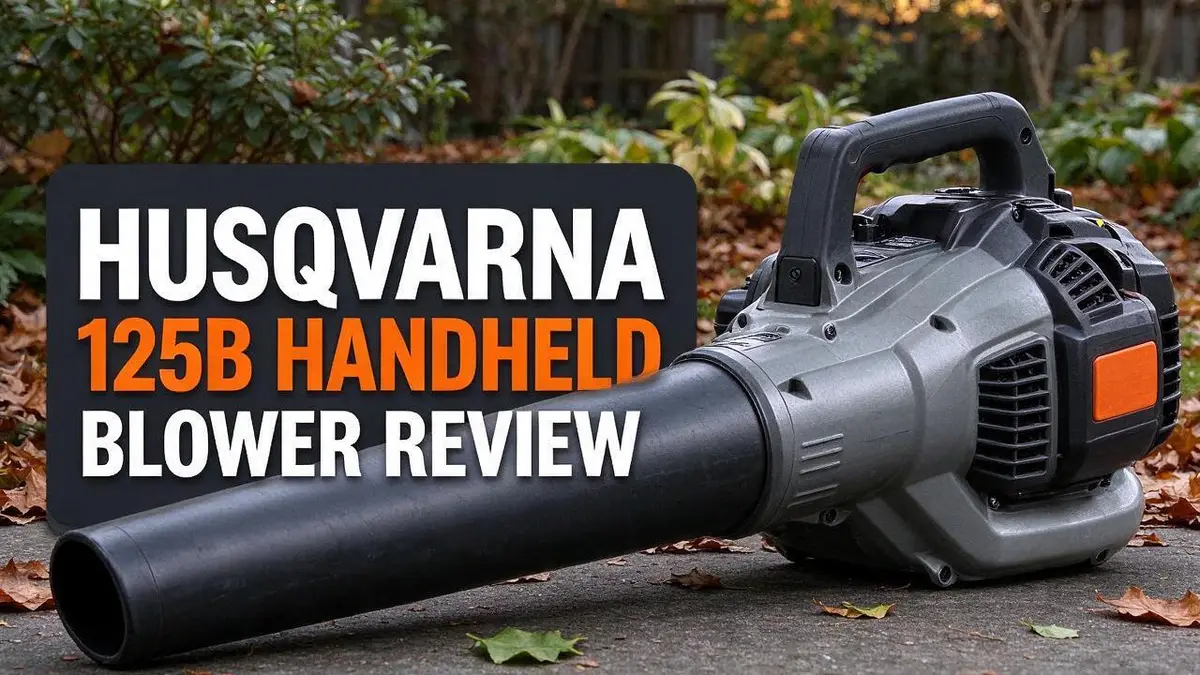
Under the hood sits a 28cc two cycle engine that produces 1.1 HP. It pushes air at up to 170 MPH and moves 470 CFM. Many owners say it feels stronger than its small engine suggests.
Weighing about 9.4 pounds, the blower stays comfortable during longer jobs. Cruise control keeps the throttle steady, so your hand can rest. An auto return stop switch adds another layer of ease.
Owners also report reliable starts after winter storage. That matters when you want to get to work without fuss. Let’s see what it does well.
In a Nutshell
-
Strong airflow for big cleanups: This blower moves air at 170 MPH and delivers 470 CFM. That airflow helps you clear leaves from lawns, decks, and driveways quickly.
-
Solid blowing force: The unit produces 12.5 N of blowing force. This force moves wet leaves and packed debris with less effort.
-
Cruise control for longer jobs: Cruise control holds a steady throttle setting. You can keep working without holding the trigger the whole time.
-
Helpful auto return stop switch: The auto return stop switch gives you a simple way to control the engine during each task.
-
Vac and mulch option on the BVx: The 125BVx model includes a vac and mulch kit with a 16:1 mulch ratio. You can shred leaves into smaller pieces for easier disposal.
-
Power that beats its size: An Arborist Site reviewer says this blower makes more power than its smaller engine suggests. That makes it a good pick for people who want punch in a compact tool.
Airflow and Blowing Power

- Husqvarna 125B Gas Powered Leaf Blower combines high power with state-of-the-art ergonomic design as a...
- Powerful Clearing Performance: A hand held leaf blower with a 2-cycle, 28-cc, 1.1-HP engine that delivers...
- Ergonomic Balanced Design: Blower tube is engineered in harmony with the adjustable, soft-grip handle to...

Last update on 2026-10-31 / Affiliate links / Images from Amazon Product Advertising API
Airflow decides how fast a yard gets cleared. A blower with strong air volume lifts wet leaves and pushes them into a tight pile. This is where the Husqvarna 125B earns its place in your garage.
Think about the surface you are clearing. Dry leaves on a patio need a gentle, wide stream, while packed debris in gravel needs a focused jet. This blower handles both jobs well, so you rarely need to switch tools.
Many gardeners judge a blower by how far the air reaches. Air that stays firm over long distances saves time on wide driveways. You walk less and sweep less when the stream carries debris all the way to the curb.
The real test comes during a full afternoon of work. Steady output matters more than a quick burst of power. Consistent air keeps your rhythm going from the back fence to the street.
Gas models from STIHL and Echo earn praise for dependable performance, and this model sits in that same class. Shindaiwa handhelds also move plenty of air, but they can take longer to fire up on cold mornings. That gap matters during chilly fall cleanups.
Battery options struggle to match this kind of sustained airflow. Lighter units suit small patios, yet they tire quickly when leaves cover a large lawn. Gas power gives you room to work without stopping to recharge.
Wind matters too. Blow with the breeze when possible, since the air carries light debris farther with less effort. Keep the nozzle low so leaves roll instead of scattering across the lawn.
Plan your cleanup in sections for the best results. Start at the far corner and push debris toward one collection spot. Clearing wet mulch needs a slower pass, so the air can lift the heavier material cleanly.
Weight, Handling, and Cruise Control
Weight matters more than most people expect. A heavy tool pulls on your arms and back. This blower keeps that strain low, so you can keep going.
Balance is the hidden key. When the weight sits close to your body, the tool feels steadier. You do not fight it with every sweep.
Good balance also makes it easier to aim the air at leaves on the lawn. Your strokes look cleaner and cover more ground.
Your grip also changes the feel. Keep a relaxed hold on the handle. A tight grip tires your hand fast, so loosen your fingers between passes.
Think about your stance too. Stand with your feet apart. Let your legs take some load. Your upper body stays fresh for longer.
Cruise control gives your hand a break. Instead of holding the trigger down, you set the speed and let the engine run steady. This matters during long sweeps across a driveway or a wide patch of grass.
Your trigger finger can rest while the engine runs. That small break adds up over a full afternoon. Less pressure also means less strain on the fingers and wrist.
Start cruise control on flat, open ground first. Practice on a small patch before you tackle a large yard. Stop the engine when you walk near gravel or a parked car.
Switch hands now and then when you can. Swapping sides spreads the work across both arms. Take short breaks, too. A minute of rest can make the second hour feel easier.
Keep the nozzle low and angled at the debris. Low airflow near the ground moves leaves better than a high sweep. Work in long, even strokes for the cleanest finish.
Good handling turns a chore into a smooth job. A light, balanced blower with a relaxed grip helps you finish faster. Plan your route so you do not twist or reach too far. Good handling also keeps you safer on slopes, so keep your steps slow and sure.
Starting and Engine Reliability
Starting a gas blower is part of the fun, but it can also test your patience. This section looks at how the engine behaves day to day.
Getting the engine to fire
Most gas blowers need a few pulls before they roar to life. Start by setting the choke. Then pull the starter cord with a firm, steady motion.
Once the engine catches, move the choke to the run position so it does not stall. Fresh fuel makes a big difference. Mix the gas and oil carefully, and use fuel that is less than a month old. Old fuel can gum up the carburetor and make the engine sputter.
Keeping the engine running smoothly
Check the spark plug every few months. A dirty or loose plug can cause misfires, weak power, and hard starts. Clean the air filter too, since a clogged filter chokes the engine and robs it of air.
Warm up before heavy work
Let the engine idle for a minute before you give it full throttle. This gives the oil time to circulate. It also helps the engine settle into a steady rhythm.
Why the engine size matters
The 28cc engine gives this blower enough muscle for most yards. A smaller engine can struggle with wet leaves. Keep the throttle wide open when you need extra force.
Simple habits that protect the engine
Store the blower with an empty fuel tank or add a fuel stabilizer. Run the engine until it uses up the fuel in the carburetor. This small step prevents varnish buildup inside the parts.
Keep an eye on the cooling fins as well. Dust and grass clippings can block airflow and cause overheating. Brush them off after each job.
What to listen for
A healthy engine sounds even and smooth. Surging, popping, or a sudden drop in power often signals a fuel or air problem. Stop the engine and check the basics before you keep working.
Top 3 Alternatives
Echo PB-580T

- Genuine OEM Echo Part
- Engine Displacement 58.2 cc
- Air Volume 510 cfm-pipe, Maximum Air Speed 215 mph
Last update on 2026-10-31 / Affiliate links / Images from Amazon Product Advertising API
Want more power for big jobs? The Echo PB-580T is a backpack blower that moves heavy leaves and debris fast. Its strong engine clears wide driveways, long patios, and large lawns with ease. The harness carries the weight on your back, so your arms stay relaxed during long sessions.
Stihl BG 56

Last update on 2026-10-31 / Affiliate links / Images from Amazon Product Advertising API
Prefer something light and easy to handle? The Stihl BG 56 is a compact handheld blower made for small to medium yards. It weighs very little, so it feels comfortable during quick weekend cleanups. Starting is simple, and the controls sit right where your hand expects them. It also fits easily in a garage or shed.
Makita BHX2500CA
No products found.
Want to skip gas and fumes? The Makita BHX2500CA is a cordless handheld blower that runs on a rechargeable battery. It stays much quieter than gas models, so your neighbors will appreciate it. The brushless motor delivers steady airflow and lasts longer between charges. You also skip mixing fuel and oil, which makes every cleanup faster and cleaner.
Vac and Mulch Kit Versatility
The 125BVx version includes a vac and mulch kit. This add-on turns the blower into a leaf vacuum. Fewer piles of leaves need hauling away. Many homeowners love this extra function.
Switching modes is simple. You remove the blower tube and attach the vacuum tube. Then you fit the collection bag onto the outlet. Plan this swap before you start the engine.
The mulch ratio is 16:1. That means roughly sixteen bags of leaves can shrink into one bag of mulch. Your yard waste drops fast.
Mulch works well in garden beds. Spread it around shrubs and trees. It helps keep soil moist and cuts down on weeds.
Dry leaves give the best results. Wet leaves clump together inside the tube. Wait until the lawn dries after rain.
Empty the bag before it gets full. A packed bag reduces suction and slows the job. Check the seams for tears before each session.
Shredded leaves also break down faster in a compost pile. Whole leaves can mat down and stay wet. Mulch solves that problem.
Keep hard debris out of the intake. Stones, sticks, and metal bits can damage the fan and the bag. Walk the lawn first and clear large items by hand.
Wear eye protection and ear protection during vacuum work. Dust and small pieces can fly out of the bag end. Gloves also help when you handle wet mulch.
Store the kit with the blower in a dry spot. Dampness can weaken the bag fabric over time. Clean the bag after each use with a soft brush.
Mix mulch with green grass clippings for a balanced compost pile. This mix breaks down evenly and smells fresh.
Vacuum mode adds real help to your cleanup. One tool now handles blowing, collecting, and mulching. Your yard stays tidy, and your garden gets a useful boost.
Maintenance and Long-Term Ownership
Clean air keeps the engine healthy. The air filter stops dust from reaching the engine. Check it before each use. Clean it when it looks dirty, because a clogged filter makes the engine run weak.
Fuel quality matters a lot for a two stroke engine. Use fresh fuel and mix the oil exactly as your owner’s manual describes. Old fuel turns sticky and can clog the carburetor over time.
Buy only the fuel you can use within a month. Fresh fuel burns cleanly. Stale fuel leaves varnish that makes starting harder and slows the engine.
Write down every service visit in a simple log. Note the date, the hours you ran the blower, and any part you replaced. This record helps a dealer find problems faster.
Test the stop switch often. The engine should shut off right away when you release it. If the switch feels slow or sticky, fix it before you run the blower again.
Check the throttle trigger too. It should spring back smoothly. A sticky trigger can cause the engine to race, so address it at once.
Look over the bolts and handle fittings every few weeks. Vibration can loosen them over time. Tighten any loose parts so the tool stays steady and safe.
Inspect the housing after every drop or bump. Plastic parts can crack from rough handling. Small cracks grow over time and can leak air, which hurts performance.
Know where to find service. A nearby authorized dealer can handle repairs and genuine parts. Keep the model number and serial number handy when you call. These numbers help the dealer order the right parts quickly.
Use the blower only for its intended work. Avoid prying with the tube or using it to move heavy objects. Gentle use protects the fan and housing for many seasons.
Good habits add up across the years. A clean filter, fresh fuel, and regular checks keep this blower running well. Treat it with care, and it will serve your yard for a long time.
Pros and Cons
Pros
– Cruise control lets your hand rest during long cleanup days.
– The auto-return controls help the engine slow down when you release the trigger.
– It delivers strong power that surprises many owners for its size.
– Owners report easy starts even after winter storage.
– The light frame reduces arm fatigue on medium-sized yards.
Cons
– Gas engines run louder than cordless models.
– Two stroke engines need a fuel and oil mix, which adds prep time.
– Exhaust fumes make it a poor choice for small enclosed spaces.
– Regular upkeep can feel like extra work for casual users.
Who Should Buy It
If you want a gas blower that handles real cleanup work, this model deserves a close look. Several types of owners find it a strong match.
Homeowners with a regular cleanup routine get the most from it. Weekly leaf removal and grass clearing feel quicker with a capable machine in hand.
Gardeners who keep paths and beds clear also benefit. The blower sweeps loose debris off stone walkways before it blows back into flower beds.
Buyers with a small patio or balcony may not need this much power. A lighter tool could handle those tight spaces with less effort.
Buyers who already own gas yard tools often adapt quickly. They know how to keep a small engine ready for the next job.
Shoppers who compare brands will likely look at STIHL and Echo. Both names carry a reputation for reliability and strong power, so this model stands in good company.
People who want quieter mornings may prefer a battery option. Battery models skip the engine noise and fuel mixing entirely.
Owners with frequent, wide-area cleanup jobs often find the best fit. Busy weekend warriors often want fast results. This tool clears large areas in fewer passes, so weekend chores finish sooner.
Neighbors and shared-space residents should check local noise rules first. Early morning runs can annoy nearby homes, so timing matters.
Anyone shopping for a first gas blower should think carefully. Learning basic care takes some time, but the habits grow simple with practice.
Think about your yard size and your routine first. Compare those needs with your comfort level for upkeep. If they line up, this blower could serve you well for many seasons.
Still, no single tool fits every household perfectly. Match the machine to your yard, not the other way around.
Final Verdict
The bottom line is simple. The Husqvarna 125B earns a spot on the shortlist for anyone who wants real gas power in a handheld. It handles messy jobs without feeling like a burden. Most buyers who test it come away impressed.
Choosing the right version matters more than most people expect. The standard model fits people who only need to move leaves off a driveway. The BVx version adds a vac and mulch option, so it suits people who want to clear leaves and shred them in one pass.
Think about where you will use it most. If your yard has heavy debris after storms, the extra flexibility of the BVx can save time. If your work stays on hard surfaces, the standard model keeps things simpler.
Test it before you commit. The sources we reviewed list no clear drawbacks, which is a good sign but not a full answer. Hold the unit, start it, and check how the trigger and handle feel in your hands. A short hands-on check tells you more than any list can.
Consider how often you plan to clear debris. Occasional use after fall storms needs less planning than weekly cleanup across a large lot. Matching your schedule to the tool helps you feel satisfied over time.
Think about storage too. Gas tools need a dry, ventilated spot where the blower can rest level between jobs. A tidy corner in the garage or shed keeps the tool ready when leaves pile up after a windy week.
Final thought: This blower suits owners who value power and a light feel. Match the version to your yard, test the feel in person, and plan a clean storage spot. A good fit feels natural from the first use, and you will likely get years of solid cleanup work from it.
Frequently Asked Questions
Is the Husqvarna 125B a good choice for beginners?
Yes, it suits most home users. The engine offers plenty of power without a steep learning curve. Read the manual before the first use so you feel confident.
How does this blower handle cold starts compared with other brands?
Shindaiwa handhelds can be slow to start when the weather is cold. The 125B gives owners a smoother experience, which makes it a practical pick for early spring cleanup. Store it properly over winter to keep it ready.
What does the vac and mulch kit add?
The 125BVx includes a vac and mulch kit with a 16:1 mulch ratio. This turns leaves and small yard debris into mulch for garden beds. If you only need to move debris across a yard, the standard model covers the job.
Does the 125B replace a cordless blower?
It works better for larger areas and heavier debris. A cordless model may suit a small patio or a quiet neighborhood. Think about your yard size and noise needs first. That choice will tell you which type fits your routine best.

Lufy combines years of electrical expertise with a passion for emerging technology to deliver honest, detailed reviews of tools, machines, and gadgets. Through electrokit.blog, Lufy empowers readers with practical insights and comparisons to choose the best electrical equipment for their needs.