Toro PowerJet F700 Electric Blower Review: Airflow, Pros, Cons and Verdict
Fall leaves can pile up fast. Your yard, porch, and driveway need a helping hand. That is where a good electric blower earns its spot in your garage.
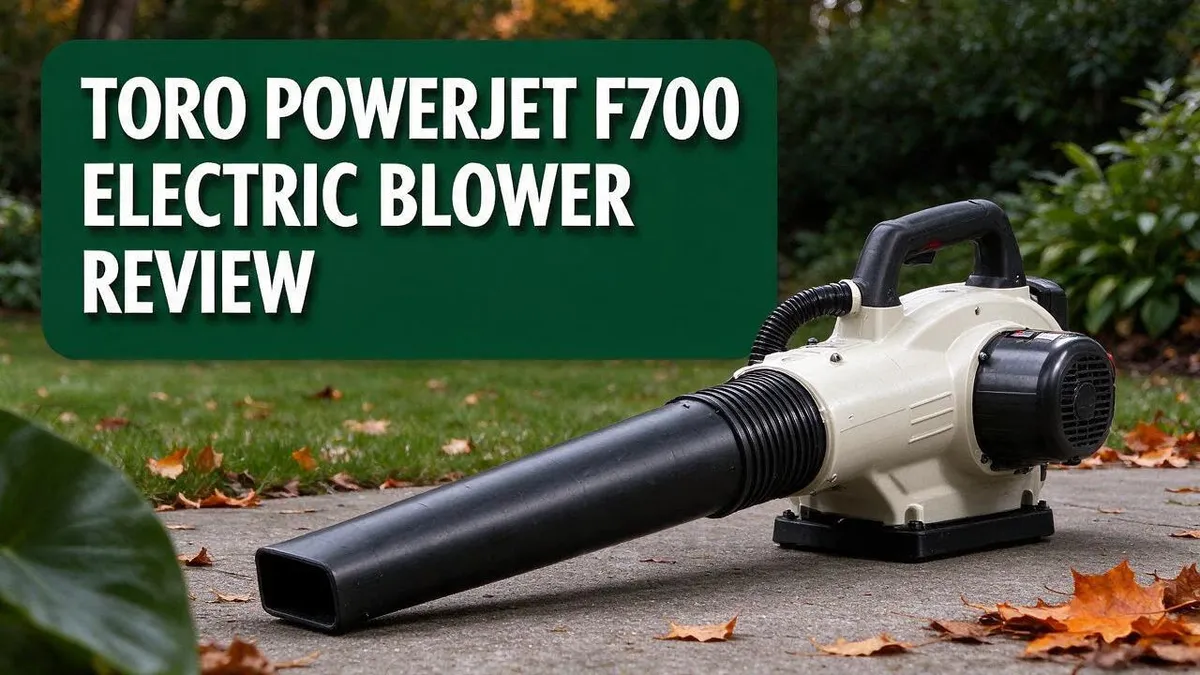
The Toro PowerJet F700 is one of the most talked about corded models on the market. Toro says it delivers the highest CFM of any corded blower. With 725 CFM and up to 140 MPH, it promises serious power for big jobs.
Many homeowners want a blower that moves heavy, wet leaves with ease. This model can push large piles across lawns and lift stubborn debris. It also handles patios, decks, and walkways with ease.
In this review, we look at what works, what does not, and how it compares to rivals like the Echo. Let’s see if this blower lives up to the hype.
In a Nutshell
-
Power on paper: The F700 offers 725 CFM and up to 140 MPH. These numbers suit large yards with lots of debris, especially after storms scatter branches and mulch.
-
Runtime never runs out: A cord means you never stop to charge a battery. You can clear a long driveway in one steady session without pausing.
-
Light jobs feel easy: Porches, patios, decks, and garages are simple tasks for this unit. Quick cleanups take only a few minutes.
-
Mobility is the trade off: You must plan your route around the cord. Large lawns may need an extension cord, which adds setup time.
-
Toro says it leads corded models: This claim comes straight from the brand. Buyers should test it against their own yard size and needs.
-
Echo remains a close rival: Some users feel Echo is stronger, but only by a small margin. Your final choice may come down to comfort, noise, and cord length.
Airflow and Leaf-Moving Power

Last update on 2026-11-01 / Affiliate links / Images from Amazon Product Advertising API
Airflow is the real test of any leaf blower. Volume and speed work as a team. Volume moves big piles, while speed lifts stubborn leaves from cracks.
A wide stream of air covers more ground with each pass. Fewer passes mean less time spent on the lawn. Homeowners often notice this most on long driveways.
Wet leaves are the hardest test. Damp leaves cling to pavement and stick in the grass. Strong airflow peels them off the surface and rolls them into a pile.
The F700 handles this job with steady force. Hold the nozzle low and angle it toward the leaves. Sweep in slow arcs so the air pushes the pile forward instead of scattering it.
Leaf type changes the outcome. Dry leaves lift fast and travel far. Wet leaves need more patience and a slower sweep. Mixed piles of twigs and leaves often need a second pass to clear completely.
Technique matters as much as the machine. Work from the far edge toward yourself. This keeps loose leaves from drifting back onto cleaned areas. Stop now and then to gather the pile before it spreads again.
Wind direction plays a role too. Blow with the breeze whenever possible. Working against the wind wastes energy and throws debris back at you.
Check the area for small objects before you start. Stones and sticks can fly fast and cause damage.
Clearing a yard is about flow, not just force. A steady stream beats short bursts. Plan your path before you start. A clear route keeps the work smooth from start to finish.
Some people say electric models lack the punch of gas units. The F700 shows that a corded machine can still move serious leaves. Its airflow makes light to medium yard work feel quick and simple.
Corded Power and Runtime
The F700 draws power straight from a standard outlet. Its 12 amp rating means it works best on a circuit with little else running. Plan your outlet use before you start, so a fridge or pump does not trip the breaker.
Power stays even from start to finish. There is no battery fade halfway through a big cleanup. The last pile gets the same air flow as the first.
Cord length matters more than many people expect. A long run can cause a small drop in power. Choose a heavy duty outdoor extension cord and keep it as short as the job allows.
Cords also need regular checks. Look over the cord for nicks or cracks before each use. Keep it clear of wet grass, sharp edges, and mower paths.
Pick a day with no rain in the forecast. Wet conditions put the outlet and cord at risk, so dry weather keeps the setup safe.
Before the first pass, test the setup. Run the blower for a minute at a spot near the outlet. This quick check shows whether the cord reaches and the breaker holds steady.
Movement takes a little practice. Wrap the cord loosely over one arm as you walk. Pull it gently when you turn, so it never snaps tight against the blower.
Map the yard before you plug in. Note where each outlet sits and where the cord can run without crossing gates or flower beds. A clear route saves time and keeps the work moving.
Plan breaks too. Unplug the unit between zones, coil the cord, and stretch your legs. A short pause lowers fatigue and keeps your grip steady on the handle.
Storage is simpler too. No battery needs charging or removing. The unit can wait on a garage hook until the next big drop of leaves.
Corded power suits homes with outlets close to the work zone. Large lots with far corners may need a different plan for those areas.
Yard Surfaces and Typical Tasks
Every yard has its own mix of surfaces. Each one asks for a slightly different approach. The F700 handles most of them well when you adjust your technique.
Lawns need a gentle touch. Fresh grass clippings lift easily and scatter across the turf. A steady sweep pushes them into one tidy row. This makes bagging or mulching much faster after a mow.
Gravel paths need extra care. Strong air can send small stones flying across the yard. Aim the nozzle low and keep it moving. Stand back from windows and parked cars while you work.
Concrete driveways respond well. Loose dirt, twigs, and dust leave the surface quickly. Work from the top of the drive down toward the street. Gravity then helps the debris move in the right direction.
Brick pavers hide dirt in the gaps. Sand and fine soil settle between the joints. Sweep slowly across the joints, then repeat the pass from another direction. This loosens debris that a single pass may miss.
Mulch beds call for distance. Air can pull mulch onto the lawn or away from plant roots. Hold the nozzle farther from the bed and sweep at a wide angle. Gentle passes protect your plants and keep the bed looking neat.
Garage floors need timing. Dust and small debris can drift inside once the doors open. Clear the floor with the doors closed or with the breeze at your back. Then open the doors for a fresh start.
Typical tasks on these surfaces include cleaning walkways, clearing grass clippings, moving dust from garage floors, and tidying fence lines. Each job takes less time when the surface matches your plan. Short, steady passes often beat long, slow sweeps.
Surface type changes the result. Smooth concrete lets debris glide away. Rough gravel and loose mulch grab at the air and slow the work. Expect more passes on uneven ground, and take your time.
Pick the right angle and distance for each area. The yard looks cleaner, and the work feels lighter from start to finish.
Top 3 Alternatives
EGO Power+ Blower

- TURBO MODE: Battery powered leaf blower lets you power though wet leaves, caked on grass, rocks, and...
- UP TO 90 MINUTES OF RUNTIME: A single charge of the included two 4.0Ah batteries lets you work with the...
- DIGITAL DISPLAY: Monitor blower performance, battery charge status, and cruise-lock in real time on the...

Last update on 2026-11-01 / Affiliate links / Images from Amazon Product Advertising API
Looking for a cordless option with real power? The EGO Power+ Blower fits that need well.
Its lithium battery lets you move freely across the yard. It clears wet leaves, grass clippings, and light debris with ease.
Many homeowners also like its quiet motor and light weight. Tip: Keep the battery charged before big jobs.
Greenworks 24V Blower

- 24V BLOWER : Perfect for cleaning leaves and debris off hard surface areas and patios
- 320 CFM / 90 MPH : Delivers powerful performance. Concentrated nozzle makes clearing debris from tight...
- VARIABLE SPEED DIAL : For maximum power, great for moving heavier objects
Last update on 2026-11-01 / Affiliate links / Images from Amazon Product Advertising API
Want a simple tool that stays easy to handle? The Greenworks 24V Blower offers a comfortable grip and steady airflow.
Its battery system suits small to medium yards and quick cleanups. The lightweight body helps you reach under decks and along fence lines.
It works well on patios, driveways, and garden paths. Keep the air intake clear so the motor runs at its best.
Ryobi ONE+ Blower

Last update on 2026-11-01 / Affiliate links / Images from Amazon Product Advertising API
Already own other tools with a battery? The Ryobi ONE+ Blower may be a smart pick.
Its battery works across many yard tools. This saves space in your garage.
Users often praise its strong output for the size. The variable speed control lets you match the airflow to each job. Good to know: Charge the battery fully before each big cleanup.
Setup, Storage and Maintenance
Setup starts at the outlet. The F700 draws 12 amps, so it needs a circuit with room to spare. Plug it into a circuit that does not also run a freezer or a space heater.
Use a GFCI outlet whenever possible. Many outdoor outlets include this protection. It shuts power off fast if moisture or a fault appears during yard work.
Lift the blower by its handle or body, not by the cord. Yanking the plug from the outlet can loosen connections over time.
Clean the air intake after each session. Grass clippings and dust clog the intake screen. A clean intake keeps airflow strong and helps the motor run cooler.
Wipe the housing with a dry cloth. Avoid spraying water near the vents or the switch. Moisture inside the motor area can cause damage.
Store the blower in a dry spot. Keep it indoors during cold months. Freezing temperatures and damp air can harm the plastic parts and the electrical components.
Hang it on a wall hook when possible. Hanging the unit keeps the body off the floor. It also keeps the air vents clear of dirt and pooled water.
Check the switch and fasteners each season. Look for loose screws on the tube or housing. Tighten them gently with the right tool. Test the switch before the next job.
Wrap the cord loosely for storage. Tight wraps can stress the insulation over time. Use a loose loop and hang it on a hook beside the blower.
Plan a yearly tune up. Some owners send the unit to a service shop for a deeper check. This helps catch worn parts before peak leaf season arrives.
Keep the manual nearby. It lists safe cleaning steps and part details. Reading it once saves time later.
Keep a simple maintenance log. Write down each cleaning and check date. A short note helps you spot patterns, like a clogged intake after damp leaf days.
Repeat these simple checks before each season starts. Small habits keep the F700 ready for the first cool morning.
Pros and Cons
Pros
- Unlimited runtime means no stopping to refuel.
- No gas or oil to mix before each use.
- It lifts heavy, wet leaves with ease.
- Toro claims it moves more air than any other corded blower.
- It fits well on porches, decks, and garage floors.
Cons
- The cord limits how far you can roam.
- Some owners say Echo is slightly stronger.
- One user feels electric blowers lack overall power.
- Corners and furniture can snag the cord.
Who Should Buy It
Homeowners with small to medium yards make the best match for this blower. A weekly cleanup feels quick and simple with this model.
Busy households often want tools that start without fuss. Electric models skip the choke, the primer bulb, and the hard pulls.
Neighbors will thank you for a quieter yard. Electric blowers generally run more softly than gas engines, which helps on early mornings and in close neighborhoods.
Renters with an outdoor outlet can use it too. A patio, balcony, or small courtyard often needs only a light clean. This gives renters a simple tool without storing fuel.
Families with kids or pets also benefit. There is no gas can in the garage to keep out of reach.
Seniors and casual gardeners often appreciate less upkeep. Electric models usually need fewer tune ups than gas engines. Fewer tasks mean more time enjoying the yard.
Who should look elsewhere? Owners with large acreage or heavy tree cover may need a different tool. Professional crews and daily heavy users often prefer gas power for long days outdoors.
Think about your space first. Measure the yard, check the outlets, and count the tasks you handle most often.
A short trial run helps too. Plug the blower into your usual outlet and time a sample cleanup. This shows whether the job feels easy or tiring.
Think about your typical week as well. Do you clean once a month or several times each week? Frequent use favors a tool that starts fast and stores neatly.
Storage space matters more than many buyers expect. A compact electric unit fits in a hall closet or small shed.
Shared households often split the work. Several people can grab the blower without learning complicated start steps.
In short, this model suits people with smaller spaces and simple routines. It rewards owners who value quick starts and easy storage.
Final Verdict
The Toro PowerJet F700 earns a spot in many home garages. It suits people who want a simple tool for regular yard cleanups. Think of it as a steady helper for everyday chores.
Its biggest win shows up in daily routines. You grab it, plug it in, and start clearing debris within seconds. That quick start turns a chore into a short task.
Your yard layout still matters a lot. Plan your path before you begin. Start near the outlet, then sweep outward so the cord stays out of your way.
Think about the debris you face most often. Light fall leaves and loose clippings suit this blower well. Thick mulch or damp soil clumps may need a rake as backup.
Your habits also shape the decision. A tool you reach for every weekend fits easily into a routine. A tool you use once a season may sit idle for months.
Cord comfort plays a role too. Some people enjoy moving around a yard without thinking about power sources. Others feel annoyed by a tether that follows them everywhere.
Test the feel before you commit. Pick it up, hold the tube, and imagine a full afternoon of use. Comfort matters more than most numbers on a spec sheet.
Think about who shares your outdoor space. Kids and pets often wander close during cleanups. Keep them clear of the airflow and the cord while the blower runs.
Neighbors often notice the difference in sound and cleanup speed. Still, the F700 works best as a focused tool, not a catch all machine.
Bottom line: the F700 suits a tidy, mostly flat yard with an outlet nearby. It handles routine leaves and light debris with ease. Pair it with good habits, and it can serve you well for many seasons.
If your yard feels large or heavily wooded, look at other options first. This blower shines in smaller spaces where simplicity wins.
Frequently Asked Questions
Is the Toro PowerJet F700 a good first leaf blower?
Yes, it can suit a first-time buyer. Plug it in and press the switch. There is no fuel to mix and no engine to start, so the learning curve stays short.
Can it handle wet grass clippings?
It lifts wet leaves well, but clippings behave differently. Dense, damp clumps can sit heavy on the lawn. Rake large clumps first for the best results.
Can I run it early in the morning?
Electric blowers usually run more quietly than gas models. That makes early use more considerate for nearby homes. Still, check your local noise rules before you start at dawn.
What kind of extension cord should I use?
Choose a heavy outdoor cord that is rated for your distance. A thin or long cord can cause the motor to lose power. Keep the cord off wet grass and away from sharp edges.
Does it need a special outlet?
No, it runs on a standard household outlet. Its 12 amp draw fits a typical 15 amp outdoor circuit. Use a GFCI protected outlet for safety near wet areas.

Lufy combines years of electrical expertise with a passion for emerging technology to deliver honest, detailed reviews of tools, machines, and gadgets. Through electrokit.blog, Lufy empowers readers with practical insights and comparisons to choose the best electrical equipment for their needs.