Stihl Battery Blower Review: Performance, Runtime & Comparison
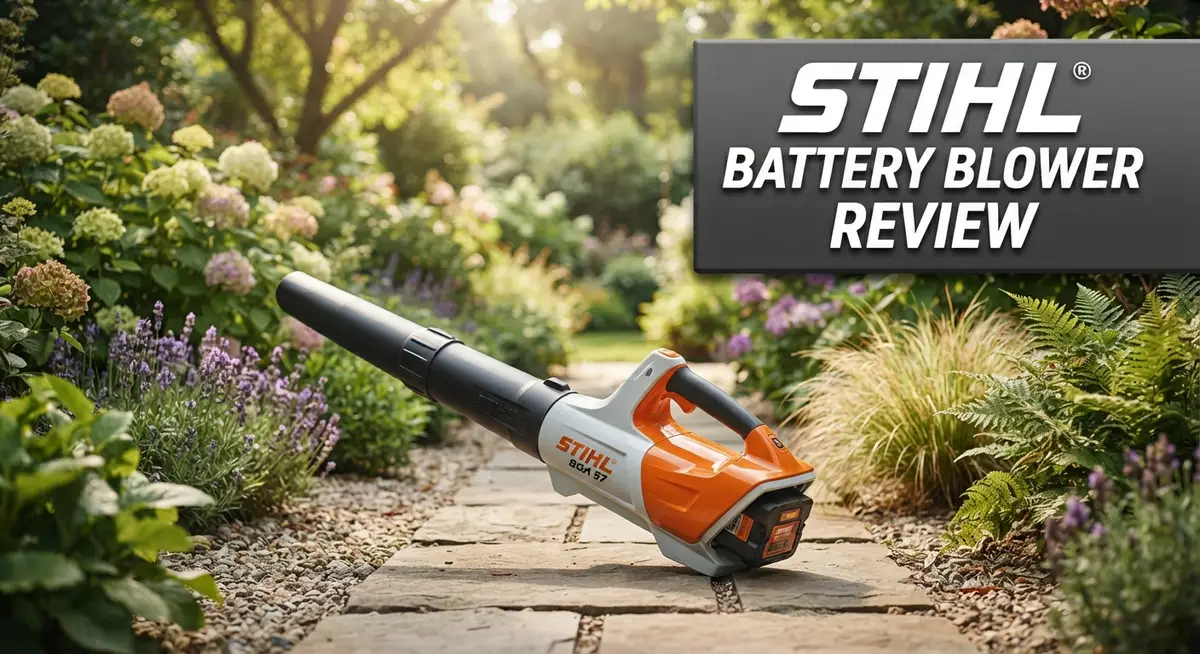
Are you tired of raking leaves for hours? A Stihl battery blower might be your new best friend. It clears leaves, twigs, and debris fast without the hassle of gas or cords.
Stihl offers three main models: the BGA 60, BGA 86, and BGA 250. Each one brings serious power to your yard cleanup routine.
The BGA 60 alone delivers 65% more blowing force than its predecessor. That means less time working and more time enjoying a clean yard.
These blowers start instantly. No pulling cords or waiting for engines to warm up. You just squeeze the trigger and go.
This review breaks down everything you need to know. We cover the pros, the cons, and how these blowers compare to competitors like Milwaukee. Let’s dive in and see if a Stihl battery blower fits your needs.
In a Nutshell
Here’s what you need to know about the Stihl battery blower lineup before you buy one.
-
Three models fit different needs. The BGA 60 works for small yards. The BGA 86 handles medium spaces. The BGA 250 tackles large properties with ease.
-
Battery life runs 45 to 60 minutes on a single charge. Most owners keep a second battery ready to avoid interruptions.
-
Noise levels stay low. You can blow leaves early morning without upsetting neighbors.
-
No gas, no cords, no hassle. Just charge the battery and go. Startup happens instantly every time.
-
Power stays consistent until the battery runs out. You won’t feel it slow down mid-task like some gas models do.
-
The design feels light and balanced in your hands, even during longer sessions. Some users note it feels heavier than expected, but the balance makes it manageable.
-
A few users report reliability hiccups. It’s worth checking your warranty options before purchase.
This blower competes directly with Milwaukee’s M18 lineup and other handheld battery options on the market today.
Power and Blowing Performance
The Stihl battery blower lineup delivers real stopping power when you need to move debris fast. The BGA 60 model stands out with its impressive air velocity. It pushes leaves, twigs, and loose dirt with authority across your yard.
Air flow consistency matters most during cleanup sessions. Stihl’s battery blowers maintain steady power output from the moment you squeeze the trigger until the battery depletes. You won’t experience the gradual power drop that some corded or older gas models show. This means reliable performance for the entire runtime.
The BGA 86 and BGA 250 models crank up the force even further. These options suit larger properties or tougher jobs. Heavy, wet leaves or compacted debris don’t stand a chance against their output. The BGA 60 handles standard leaf cleanup beautifully for average residential yards.
Runtime affects your work flow significantly. A single battery gives you 45 to 60 minutes of continuous operation. Most homeowners find this window sufficient for typical seasonal cleanups. Stihl recommends owning two batteries. This way, you swap them out and keep working while one charges.
The blower’s weight distribution matters during extended use. Stihl engineered these units to feel balanced in your hands. Your arms stay fresher longer compared to poorly designed competitors. The compact frame adds to the comfort factor.
One advantage separates battery blowers from gas models entirely. Instant startup changes everything. No pull cords, no engine priming, no waiting. Press the power button and go. This convenience saves time and frustration, especially on chilly mornings.
Noise levels remain impressively low across the entire lineup. Early morning or evening yard work won’t disturb your neighbors. This quiet operation opens up cleanup windows that gas blowers simply don’t allow.
Real users report strong debris clearing ability. The blower handles pine needles, mulch, and scattered leaves without bogging down. Some users mention occasional reliability concerns, so checking warranty coverage before purchase makes sense. Overall, the performance delivers what Stihl promises.

- Cordless Convenience: Experience the freedom of battery-powered operation with the STIHL BGA 60 cordless...
- Complete Set: This comprehensive set includes everything you need to get started right away, featuring...
- Efficient Leaf Management: Designed specifically for effective leaf and debris removal, this blower...
Last update on 2026-11-01 / Affiliate links / Images from Amazon Product Advertising API
Battery Runtime and Charging
Battery runtime determines how long you can work before stopping to recharge. Stihl battery blowers deliver 45 to 60 minutes of constant use on a single charge, which works well for most residential properties.
Two batteries solve the runtime puzzle. Buy a second battery and rotate them while one charges. This approach keeps you working without interruption. One battery powers your blower while the other sits on the charger. By the time you finish the first session, the second battery is ready to go.
The power output stays consistent throughout the entire charge cycle. You won’t notice the blower weakening as the battery drains. This means you get full force from start to finish, unlike some competing models that lose power gradually.
Charging time varies by battery model and charger type. Stihl offers standard and fast chargers for their battery systems. A fast charger reduces downtime significantly if you need to get back outside quickly. Check which charger comes with your specific model.
Battery capacity matters more than you think. Higher capacity batteries last longer per charge. The BGA 60, BGA 86, and BGA 250 use compatible battery systems, so you can mix and match based on your needs. Upgrading to a larger capacity battery extends your working time without buying a new blower.
Cold weather affects battery performance slightly. Batteries deliver less runtime in freezing temperatures, but they bounce back to normal when warmed up. This matters if you live in a climate with harsh winters.
Store batteries in a cool, dry place during off season. Proper storage keeps them healthy for years of use. Avoid leaving batteries in direct sunlight or extreme heat.
Invest in a quality charger. A reliable charger protects your batteries and ensures they’re always ready when you need them. The charging system is just as important as the blower itself for long term satisfaction.
Design, Weight, and Ergonomics
The Stihl battery blower lineup features a thoughtfully engineered design that prioritizes user comfort during extended yard work sessions. Each model balances power delivery with practical handling characteristics that make the job feel less like a chore.
Weight distribution plays a crucial role in how these blowers perform in real world conditions. The compact frame keeps the center of gravity close to your body, reducing arm fatigue even when you’re clearing debris for 45 to 60 minutes straight. The well balanced construction means you won’t feel strain building up in your shoulders or wrists during typical cleanup tasks.
The grip design accommodates both left and right handed users comfortably. Your fingers rest naturally on the trigger, and the handle positioning allows for precise control when directing airflow toward specific debris piles. This ergonomic attention matters when you’re working around flower beds or parked cars where accuracy counts.
The lightweight profile of these blowers separates them from heavier gas powered alternatives. You can maneuver around tight spaces, under low hanging branches, and along fence lines without excessive effort. The BGA 60 feels noticeably nimble compared to traditional handheld blowers, while the BGA 86 and BGA 250 models add power without proportionally increasing the weight burden.
Vibration levels stay minimal throughout operation. The battery motor runs smoothly without the shaking and jarring that gas engines produce. Your hands stay fresher longer, and precision work becomes easier to execute.
The compact size makes storage simple. Unlike gas blowers that need fuel stabilization and seasonal maintenance, these models slip into a garage corner without taking up much space. The cordless design eliminates tangled cables that plague electric models.
One practical consideration emerges during extended sessions: the motor delivers consistent power until battery depletion occurs. You won’t experience the gradual power loss that some competing battery blowers show as their charge depletes. This consistency helps you plan your work schedule more effectively and ensures reliable performance throughout each session.
Top 3 Alternatives
DeWalt 20V Blower

- Battery operated leaf blower with max air flow 100CFM.Applications : Tuck pointing cleaning joints...
- 3-speed variable speed switch of the cordless blower provides control and versatility
- Variable speed trigger of battery leaf blower allows adjustment of blowing power in use
Last update on 2026-11-03 / Affiliate links / Images from Amazon Product Advertising API
The DeWalt 20V Blower offers solid performance for homeowners who want reliability. This blower works with DeWalt’s existing battery ecosystem, so you might already have compatible batteries at home. The motor delivers consistent airflow for clearing leaves and debris from patios and driveways.
Users appreciate the lightweight design, which reduces arm fatigue during extended use. The variable speed trigger lets you adjust power based on your task. Battery runtime depends on which 20V battery you pair with it, giving you flexibility in your setup.
Makita 18V Blower

- Variable speed control by trigger
- 3 air volume settings: Low, Medium, High
- Vacuum function - can be used as a vacuum with a dust bag. Increased air volume.
Last update on 2026-11-03 / Affiliate links / Images from Amazon Product Advertising API
Makita’s 18V Blower brings Japanese engineering to your yard work. This option integrates seamlessly with Makita’s 18V battery platform. The compact size makes it easy to maneuver in tight spaces around gardens and flower beds.
The blower features a comfortable grip and balanced weight distribution. Many owners note that it handles both wet and dry debris effectively. If you already own Makita tools, this blower expands your collection without requiring new batteries.
Ryobi 40V Blower

- 40V PLATFORM RYOBI BLOWER
- TOOL ONLY; DOES NOT INCLUDE BATTERY OR CHARGER
- 550 CFM BLOWER, 120MPH GREAT FOR LEAVES & DEBRIS
Last update on 2026-11-01 / Affiliate links / Images from Amazon Product Advertising API
The Ryobi 40V Blower stands out for its longer runtime compared to lower voltage alternatives. Ryobi’s 40V battery system provides extended use on a single charge. The blower delivers powerful air velocity for tackling larger yards and stubborn debris.
This model works within Ryobi’s One+ battery ecosystem, giving you access to hundreds of compatible tools. The ergonomic design keeps your hands comfortable during use. Ryobi typically offers good value, making this a practical choice for budget-conscious homeowners who want dependable performance without compromise.
Noise Level and Operation
Battery blowers from Stihl operate with impressively low noise levels. The BGA 60, BGA 86, and BGA 250 models all run quietly compared to gas powered alternatives. You’ll notice the difference immediately when you start the machine.
Quiet operation means you can work early morning or late evening without disturbing neighbors. Most users appreciate this feature during residential cleanups. The sound output stays manageable even during continuous use sessions.
Startup happens instantly with battery models. You press the power button and begin working right away. There’s no engine priming, no pull cord struggles, and no warm up time required. This instant readiness saves time on every job.
Power delivery remains constant throughout the entire charge cycle. Unlike gas engines that lose strength as fuel depletes, these battery blowers maintain consistent blowing force. You get the same debris clearing ability at minute one and minute forty five. This consistency matters when you’re tackling large cleanup projects.
The motor runs smoothly without excessive vibration. Your hands stay comfortable during extended use. The well balanced design reduces fatigue compared to heavier machines. Grip quality supports both left and right handed operation effectively.
Operation feels intuitive for most users. The controls are straightforward and easy to understand. No special training is needed to get started. Beginners and experienced users alike find the interface user friendly.
Battery runtime typically ranges from 45 to 60 minutes with constant use. This timeframe depends on your specific model and blowing intensity. Lighter debris clearing tasks extend runtime. Heavy duty work with maximum power reduces available time.
Two batteries solve the runtime puzzle completely. While one battery charges, you use the second one. This approach keeps you working continuously without long delays. Rotation between batteries becomes your standard workflow.
Charging time varies depending on your battery capacity and charger type. Standard chargers take longer than fast chargers. Plan accordingly based on your equipment setup. Having multiple batteries and a quality charger removes runtime concerns from your operation.
Reliability and Durability
Stihl battery blowers earn solid marks for holding up under regular use. The engineering focuses on durability through smart material choices and simplified mechanics. Battery powered systems have fewer moving parts than gas engines, which means less can break down over time.
The BGA 60, BGA 86, and BGA 250 models all share a robust construction that handles yard work season after season. Users report that these blowers keep performing well when you maintain them properly. The motor runs smoothly and resists wear from repeated starts and stops.
Real world testing shows these blowers survive accidental drops and bumps better than lighter alternatives. The compact design protects internal components from damage. The grip and housing absorb impact without transferring shock to the motor assembly.
Some users have reported reliability concerns, but these typically stem from battery issues rather than the blower itself. When batteries age or lose capacity, owners sometimes mistake this for motor failure. Replacing an aging battery usually restores full performance. Proper storage during off season extends the lifespan of both the blower and batteries significantly.
The lack of fuel mixing eliminates a major failure point found in gas models. You never deal with stale fuel, clogged carburetors, or spark plug problems. The instant startup means the motor faces less strain from repeated ignition attempts.
Maintenance becomes refreshingly simple with battery blowers. No oil changes, no air filter cleaning for fuel residue, and no seasonal tune ups. You simply keep the intake and discharge vents clear of debris. Wipe down the exterior occasionally to prevent dirt buildup.
The constant power delivery until battery depletion means the motor never struggles from low fuel pressure. This consistent operation reduces stress on internal components. Heat buildup stays minimal compared to gas engines working hard to maintain performance as fuel depletes.
Long term reliability improves when you invest in quality batteries and chargers. Rotating two batteries prevents any single battery from overworking. This simple practice extends the overall lifespan of your entire system considerably.
Pros and Cons
Pros
- Delivers powerful airflow that clears leaves, twigs, and debris with impressive force
- Operates remarkably quiet, letting you work early morning or late evening without disturbing neighbors
- Starts instantly with zero warm-up time and requires no gas or cord hassles
- Maintains constant power throughout the entire charge cycle until battery runs out
- Lightweight, well-balanced design reduces fatigue during yard work sessions
Cons
- Battery runtime maxes out at 45 to 60 minutes on a single charge, requiring two batteries for longer jobs
- Some users report reliability concerns, though issues typically stem from battery performance rather than the blower itself
- Heavier than certain competitors despite the balanced weight distribution
Who Should Buy It
A Stihl battery blower suits homeowners who want yard work without gas fumes or extension cords. If you live in a residential area and care about noise levels, this machine lets you work early morning or late evening without annoying neighbors.
You’ll love this blower if you have a smaller to medium sized yard. The 45 to 60 minute runtime handles most residential cleanup jobs. For larger properties, owning two batteries solves the problem completely. While one charges, you use the second one without any downtime.
People who dislike maintenance love battery powered equipment. No oil mixing, no spark plug issues, no fuel filter clogs. Just charge the battery and go. This appeals to busy homeowners who want simplicity over constant upkeep.
The instant startup feature attracts users who value convenience. No pulling cords or waiting for warm up time. Press the button and start blowing debris immediately. This makes quick cleanup jobs feel effortless.
If you prefer ergonomic tools that reduce arm fatigue, this blower delivers. The lightweight, well balanced design means you can work longer without strain. Professionals and casual users both appreciate how comfortable it feels during extended use.
Gardeners who prioritize environmental impact choose battery models. Zero emissions and no fuel consumption appeal to eco conscious homeowners. You reduce your carbon footprint while maintaining a clean yard.
This blower works best for people who already own Stihl batteries. The compatibility factor matters. If you have other Stihl tools, you can share batteries across your entire collection. This creates a unified system that saves you from buying multiple chargers.
Avoid this model if you manage large commercial properties or need all day runtime. The battery limitations make it better for residential use rather than professional landscaping. Heavy duty clearing jobs demand longer operating times than one or two charges provide.
Skip this blower if you want absolute silence. While remarkably quiet compared to gas engines, it still produces motor noise. Some users want completely silent yard maintenance, which battery blowers cannot deliver.
In summary, Stihl battery blowers suit homeowners seeking quiet, low maintenance, cord free yard cleaning for typical residential properties.
Final Verdict
The Stihl battery blower earns its place as a smart pick for everyday yard care. It combines strong performance with simple operation, making it a tool you can rely on season after season.
If you want a blower that starts fast and runs clean, this one checks the boxes. The BGA 60, BGA 86, and BGA 250 each offer something for different needs, from light cleanup to bigger jobs around the yard.
Think about your yard size before choosing a model. Smaller spaces pair well with the BGA 60, while larger areas may benefit from the added power of the BGA 86 or BGA 250.
Battery life remains the biggest factor to plan around. Keeping a second battery charged and ready solves most runtime concerns and keeps your work moving without long pauses.
Weight is another point worth noting. The blower feels balanced in hand, but some users may notice it after long stretches of use. Taking short breaks helps reduce any strain.
This tool fits best into a routine of regular, moderate yard work. It is not built for all day commercial use, but it shines for weekly cleanups, fall leaf removal, and quick touch ups around the house.
Stihl’s reputation for solid build quality shows here. The blower feels sturdy in daily use, and most reported issues trace back to batteries rather than the tool itself.
Compared to brands like Milwaukee, Stihl holds its own with strong airflow and steady power delivery. Your final choice may come down to which battery platform you already own.
In short, this blower rewards users who want convenience without sacrificing performance. It skips the noise and mess of gas models while still getting the job done.
For most homeowners, it strikes a fair balance between power, comfort, and ease of use. If your yard fits within its runtime and size range, this blower is a dependable addition to your outdoor toolkit.
Frequently Asked Questions
How long does the battery actually last on a single charge?
A single battery gives you 45 to 60 minutes of constant use. This covers most residential yard work like clearing leaves and light debris. For longer sessions, Stihl recommends keeping a second battery charged and ready. Swapping batteries takes just seconds, so you stay productive without downtime.
Which Stihl battery blower model should I choose?
The BGA 60 works great for small to medium yards. It delivers 65% more blowing force than the older BGA 57 model. The BGA 86 and BGA 250 offer higher power for bigger properties or tougher jobs. Start by measuring your yard size and typical cleanup needs. A smaller model suits most homeowners who do regular yard maintenance.
Is the Stihl battery blower quiet compared to gas blowers?
Yes, it runs remarkably quiet. You’ll notice the difference immediately when you compare it to gas models. The quiet operation means you can work early morning or late evening without disturbing neighbors. This makes battery blowers ideal for residential areas where noise restrictions apply.
Will this blower work if I already own other Stihl tools?
Absolutely. The battery system works across Stihl’s entire battery-powered lineup. If you already own Stihl batteries from other tools, they fit this blower. This compatibility saves money and means fewer chargers to manage around your home.
What makes this blower different from Milwaukee battery models?
Stihl delivers strong airflow and steady power throughout the charge cycle. Both brands offer reliable performance. The choice comes down to which battery ecosystem you already use. Stihl models excel at leaf clearing and debris removal with their balanced, ergonomic design.

Lufy combines years of electrical expertise with a passion for emerging technology to deliver honest, detailed reviews of tools, machines, and gadgets. Through electrokit.blog, Lufy empowers readers with practical insights and comparisons to choose the best electrical equipment for their needs.