Senix 58V Cordless Blower Review: Lightweight Design, 8 ft Reach, Pros, Cons and Verdict
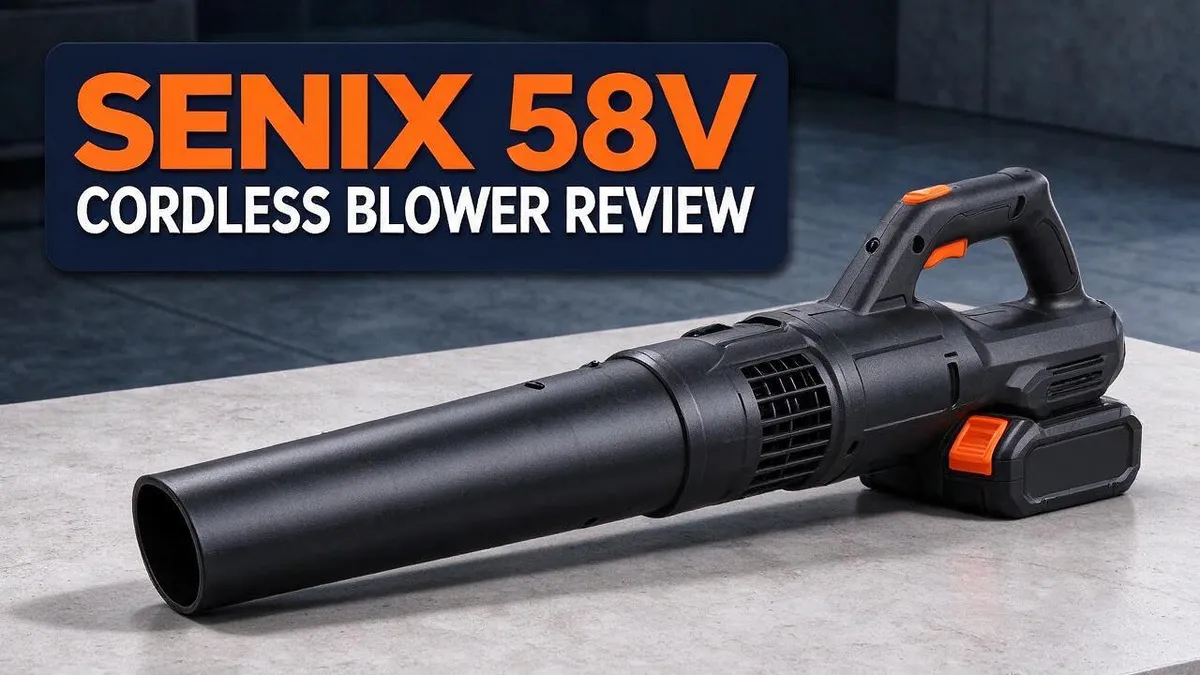
Leaves piling up on the driveway can turn a simple weekend into a long chore. The right tool makes cleanup faster. The Senix 58V cordless blower is one option worth a closer look.
This lightweight blower has an extendable design that reaches up to 8 ft. That reach helps you clear corners and tight spots without bending or straining. Push button starting also makes each session simple.
Many homeowners use it for fall cleanup, grass clippings, driveways, and patios. It also needs less routine maintenance, so you can spend more time outside.
However, customer reviews deserve a careful look. On Trustpilot, most of the 26 reviewers were unhappy, and many mentioned poor quality and breakdowns. Those concerns matter if you plan to rely on it every week.
In this guide, you will learn what this blower does well and where it falls short. You will also see how it compares with popular rivals like DeWalt FlexVolt, Milwaukee, Ryobi, Stihl, and EGO. Let’s find out if it fits your yard.
In a Nutshell
-
Easy starting: This blower uses a push button start, so you can begin work without struggling with a pull cord. Every minute saved helps on a busy day.
-
Lower upkeep: Senix promotes less routine maintenance than many gas models. Fewer chores mean more time for the things you enjoy outdoors.
-
Good for light jobs: Think leaves on patios, dust on porches, and grass clippings on walkways. It fits smaller yards and quick cleanups best.
-
Warranty deserves a close look: Some buyers report durability problems. A clear warranty can protect you if something fails early.
-
Limited public specs: Official airflow and speed numbers for this 58V model are hard to find. Check them before you commit, so you know exactly what you get.
-
Strong rivals exist: DeWalt FlexVolt, Milwaukee, Ryobi, Stihl, and EGO all sell cordless blowers. Comparing them side by side helps you find the right fit for your yard.
Airflow and Power

- 【Battery Powered】 SENIX 18-inch steel auger cordless snow blower combines the power of 2 X2 40V Max...
- 【Clearing Path】 18 Inch clearing width, clears 8” snow in 10 car driveway
- 【Snow Throwing Distance】 Throws snow up to 33 ft
Last update on 2026-11-01 / Affiliate links / Images from Amazon Product Advertising API
Airflow decides how well a blower moves debris. Power decides whether it keeps working under load. With the Senix 58V, the public numbers tell only part of the story.
The 1300W figure belongs to a different model. You may see a 1300W rating online. That number belongs to the Senix 60V model, not the 58V. Always check the exact model name before you trust a spec sheet.
Why airflow matters more than speed. Airflow, often measured in CFM, shows how much air moves across your yard. Higher CFM usually means faster cleanup on wide areas like driveways.
For comparison, the DeWalt FlexVolt is listed at 125 mph and 600 CFM. Those figures give you a benchmark. Ask Senix for matching numbers before you buy.
Heavy snow tests show a different winner. In one comparison, the FAOGO cordless blower ranked first, thanks to its 680 CFM output and five speed settings. Speed options help you match power to the job.
Light jobs suit this blower best. Dry leaves, dust, and loose grass respond well to moderate airflow. Wet, packed debris may need more force than a light blower can offer.
Battery life affects real power. Many cordless tools lose some output as the charge drops. Plan short work sessions and keep a spare battery nearby for larger yards.
Technique also changes results. Work with the wind at your back. Sweep in straight lines so debris gathers in piles you can collect quickly.
Many blowers offer nozzle options that change airflow. Check whether your model includes one before you plan detailed work.
Your yard size shapes the right choice. Small patios need less force than long driveways. Match the tool to the space, and the work feels much easier.
Try a simple test in your own yard. Clear one section of lawn and time the job. Compare that result with your expectations before you commit to a full cleanup.
Weight and Reach
Weight shapes how long you can work. A blower that feels fine for five minutes can feel heavy after twenty.
Hold it at arm’s length before you commit. Try a few sweeps to see how your wrist and shoulder respond.
Balance matters just as much as total weight. A tool with its mass close to the handle usually feels easier to steer.
The extension tube changes the feel. Longer tubes push weight farther from your hands, which can tire your arms faster.
Reach works best when you angle the nozzle. Point the air down and sweep in short arcs instead of holding one spot.
Your height plays a role too. Taller users may reach corners with less effort, while shorter users may need to step closer.
Battery weight adds to the load. A larger pack can make the tool feel front heavy, so check the setup carefully.
Use reach for specific targets, not whole yards. Extended reach helps with fence lines, planter edges, and tight spots under low decks.
Stairs and slopes need extra care. Stand on stable ground, keep your feet apart, and avoid leaning too far over the tube.
Keep your footing and grip steady. Two hands on the handle give you better control at full reach.
Reach also affects safety. Keep bystanders, pets, and windows out of the airflow path.
Long sessions reward short breaks. Pause every ten minutes to rest your shoulders and reset your grip.
Think about your yard layout before you start. Walk the area and mark spots that need extra reach, such as hedges or rock beds. Plan your path so you move once, not many times.
Consider storage too. A tool that hangs neatly on a wall hook saves space in a small garage.
Make a simple test at home. Hold the blower, extend it fully, and sweep a patch of leaves for five minutes. If your arms feel tired, the balance may not suit you, even if the numbers look good.
Build Quality and Durability
Build quality shapes how a blower handles everyday wear. Many buyers check the body first, because it takes the most knocks during use.
Senix does not list many material details for this 58V model. You will not find clear notes on housing plastics or metal parts. So you need to inspect the tool yourself.
Start with the outer shell. Press on it with your thumb. A shell that flexes or creaks may signal thin plastic. A firm shell feels more solid in your hand.
Check the seams and joints too. Gaps around the motor housing can let dust inside. Over time, dust can wear down internal parts.
The extension tube deserves close attention. It joins the main body and takes the most stress during use. Wiggle it gently before you buy.
Look at the locking mechanism as well. A loose lock can let the tube slip mid sweep. That slip can cause frustration and wasted effort.
Pay attention to the nozzle. It faces the most wear from gravel and pavement. Look for a smooth edge with no sharp cracks.
The handle and grip matter too. A soft grip absorbs vibration and sweat. A grip that looks flimsy may wear faster.
Battery connection points need care. Dirt or moisture can cause poor contact. Keep the terminals clean and dry after each use.
Wet conditions can test any blower’s seals. Avoid running the tool in heavy puddles or soaked grass.
Storage habits also affect lifespan. Hanging the blower or leaving it on a dry shelf reduces stress on the body. Avoid leaving it in a hot car.
Real durability comes from simple care. Clean the air intake after each job. Remove leaves and clumps that block airflow.
Do not expect the tool to survive rough abuse. Dropping it on concrete may crack the housing or bend the tube.
Test the tool during the first few weeks. Early checks can reveal loose parts before they cause bigger trouble.
Keep your receipt and packaging. Clear proof of purchase helps if a part fails early.
Top 3 Alternatives
Ryobi ONE+ Blower

Last update on 2026-11-01 / Affiliate links / Images from Amazon Product Advertising API
The Ryobi ONE+ Blower works well for yard cleanup around the home. It runs on the ONE+ battery system. One battery can power many other Ryobi tools. Its simple trigger makes it easy for beginners to use.
It weighs little, so it feels comfortable during longer sessions. Homeowners often choose it for leaves, grass clippings, and patio dust.
EGO Power+ Blower

- TURBO MODE: Battery powered leaf blower lets you power though wet leaves, caked on grass, rocks, and...
- UP TO 90 MINUTES OF RUNTIME: A single charge of the included two 4.0Ah batteries lets you work with the...
- DIGITAL DISPLAY: Monitor blower performance, battery charge status, and cruise-lock in real time on the...

Last update on 2026-11-01 / Affiliate links / Images from Amazon Product Advertising API
The EGO Power+ Blower offers strong airflow for bigger jobs. Its brushless motor runs quietly and lasts a long time. Many users pick it for large lawns and long driveways.
A variable speed dial lets you control the force of the air. This helps with delicate mulch beds and heavy wet leaves alike. Users also praise its lightweight feel during long jobs.
Milwaukee M18 Blower

Last update on 2026-11-01 / Affiliate links / Images from Amazon Product Advertising API
The Milwaukee M18 Blower fits well into professional work. It uses the M18 battery platform, which many contractors already own. It handles wet debris and heavy dust with ease.
Its compact body helps you reach tight corners and areas under decks. Crews on busy job sites often keep one in the truck for quick cleanups. Its strong build handles daily use without trouble.
Starting, Maintenance and Ease of Use
Starting the Senix 58V feels simple from the first press. The push button design skips the pull cords that many gas blowers need. You press the button, and the tool gets to work.
Quick starts matter on busy weekend mornings. You can grab the blower, clear the patio, and put it away in minutes. Less time wrestling with a stubborn starter means more time enjoying your yard.
Maintenance is another area where this model stands out. Senix markets lower routine upkeep as a key benefit. Cordless tools skip many chores that gas models need, such as oil changes, spark plug swaps, and fuel mixing.
Still, simple care keeps any blower working well. Wipe off dust after each session. Clear leaves and grass clippings from the vents so air can flow freely. Store the unit indoors when you can, away from rain and freezing temperatures.
Owner feedback deserves a closer look. Trustpilot shows 26 reviews for Senix, and most of them lean negative. Reviewers often mention quality concerns and breakdowns. That makes early checks worthwhile.
Try a quick routine after every few uses. Look for loose screws or cracked parts. Listen for odd noises from the motor. Notice any sudden drop in output. Catching small problems early can save you from a bigger repair later.
Daily use feels easier when the tool starts on the first try. You spend less energy on setup. You also avoid the mess of mixing fuel and checking oil levels. For many homeowners, that simple routine is the biggest win.
Ease of use also depends on your habits. Keep the battery clean and dry before you snap it in. Charge it according to the manual, and avoid storing it in a hot garage. Good habits help the tool start reliably each time you need it.
Pros and Cons
Pros
- Marketed for fall cleanup and grass clippings.
- Suited to driveways and patios as well as lawns.
- Reaches up to 8 feet for hard to clear areas.
- Lightweight frame feels manageable for longer jobs.
Cons
- Trustpilot reviews lean negative, with most reviewers unhappy.
- Many reviewers mention poor quality and breakdowns.
- Only 26 reviews exist, so the sample is small.
- Power figures online may belong to the 60V model, not this 58V version.
Who Should Buy It
Homeowners with small to medium lawns often want a tool for quick cleanups. It handles leaves on a patio or debris on a short driveway without fuss. It also suits people who prefer simple, direct tools.
Renters with limited storage may also like it. A compact unit fits in a closet or garage corner, so it stays out of the way between uses.
Busy people who clean outside on weekends often want fast results. A tool that runs without fuel mixing saves time on a packed schedule.
People who dislike gas engines tend to prefer cordless options. There is no fuel to store, no oil to check, and no exhaust to breathe near the house.
Gardeners who sweep mulch and loose clippings off paths will find light jobs simple. Short sessions suit this model well.
Shoppers who clear heavy snow should look elsewhere. Research points to other cordless models that ranked higher for deep snow, so compare options before you decide. Heavy snow often needs more air volume than most light blowers provide.
Anyone who runs a blower for hours each day may need more runtime and power. Professional crews usually need stronger tools for full shifts.
Check battery compatibility before you buy. Knowing which packs work with the tool helps you plan spares for longer jobs.
Read the warranty terms closely too. Clear coverage gives you a safety net if something fails early in its life. Keep receipts and registration details in one place.
Match the tool to your own routine. Ask how often you clear debris, how large your space is, and what weather you face most.
Choose this blower if your jobs are light and frequent. It works best for quick tasks rather than marathon sessions, and that fit matters more than any single feature.
Final Verdict
The Senix 58V makes sense for a specific kind of user. It handles light, frequent cleanups well. It does not promise marathon performance.
Think about your own yard first. Your routine decides whether this blower earns a place in your garage.
Owner reviews raise a real concern. Trustpilot feedback leans negative, and many buyers describe quality problems. The sample is small, so it is not the full story. Still, it deserves weight.
The strongest case is convenience. Push button starting and simple upkeep make everyday use easier. A quick wipe and a check for loose screws keep the tool in shape.
Gas models bring more power, but they add noise and fuel runs. This model skips those chores. That trade may suit a quiet neighborhood.
Test the feel before you commit. Hold the tool and check the balance. Start it a few times to see how it responds.
Power claims need care. Some figures online belong to the 60V model. Check the specs on the box before you trust any number.
Keep your expectations realistic. A light blower clears leaves and loose clippings with ease. It will not move wet, packed debris in one pass.
Buy with confidence only after checking recent owner posts. Look for patterns in complaints. If repairs seem common, choose another brand. A fair test beats a quick guess.
Our overall view is this. The Senix 58V works for light jobs and tidy patios. Heavy snow or all day use calls for a stronger tool, such as a model from DeWalt or EGO.
Final thoughts for the right buyer. This blower suits tidy yards, decks, and sidewalks. It rewards owners who expect simple care and short sessions. It disappoints those who need strength for storms.
Before you decide, check battery compatibility and read the warranty terms closely. These steps protect you if problems appear later. A little homework now saves frustration later.
Overall, the Senix 58V earns a cautious thumbs up for light work.
Frequently Asked Questions
Does push button starting make it easy to use?
Yes. Push button starting removes the pull cord. You press a button and get going. This helps anyone who finds pull cords tiring or hard on the shoulder.
How much upkeep does this blower need?
It needs less routine care than a gas blower. You skip oil changes and fuel mixing. Still, wipe the air vents clean after each use to keep airflow steady.
Which rival blowers should I compare it with?
Put it beside the DeWalt FlexVolt, Milwaukee, Ryobi, EGO, and Stihl. Those brands often publish more detailed airflow numbers. Compare them against your own yard size first.
Is it a good pick for a first cordless blower?
It can be. The controls are simple, so new users can learn them fast. Stick to light, frequent jobs and you will get the most from it. Heavier work may call for a different model.

Lufy combines years of electrical expertise with a passion for emerging technology to deliver honest, detailed reviews of tools, machines, and gadgets. Through electrokit.blog, Lufy empowers readers with practical insights and comparisons to choose the best electrical equipment for their needs.