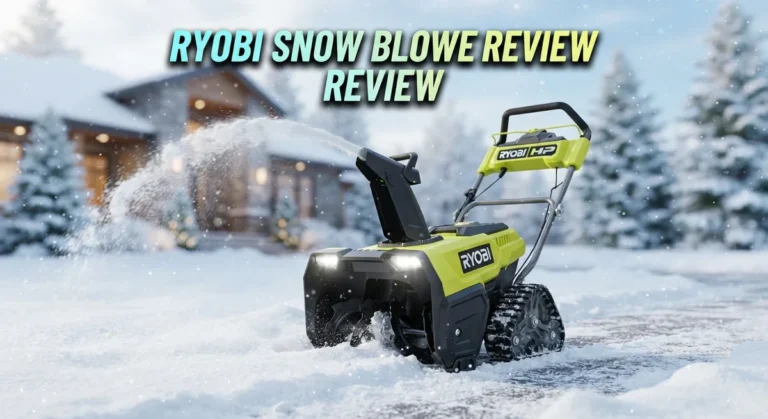
Ryobi Snow Blower Review: Battery Powered Snow Clearing?
Winter arrives every year with its beautiful white blanket. But underneath that beauty lies the hard work of clearing driveways and walkways. You need a reliable snow blower that works when you need it most. Ryobi has changed the game with their battery powered snow blowers.
These machines offer quiet operation, zero emissions, and impressive power that rivals traditional gas models. This review covers everything you need to know about Ryobi snow blowers to make an informed decision.

Key Takeaways
Power and Performance: Ryobi 40V snow blowers deliver more power than 208cc to 252cc gas engines. The brushless motors provide consistent performance even in heavy snow conditions.
Battery Life: The 40V system offers up to 45 minutes of runtime with multiple batteries. Single stage models clear up to 25 car spaces on two batteries. Two stage models include four 6Ah batteries for extended operation.
Quiet Operation: Ryobi Whisper Series models run 35% to 44% quieter than gas snow blowers. You can clear snow early morning without disturbing neighbors.
Maintenance Free: No oil changes, spark plugs, or fuel stabilizers needed. Simply charge the batteries and start clearing snow with the push of a button.
Versatility: The 40V battery platform works across 300+ Ryobi tools. Your snow blower batteries power lawn mowers, trimmers, and other outdoor equipment during other seasons.
Understanding Ryobi Snow Blower Technology
Ryobi introduced their 40V HP Brushless technology to compete directly with gas powered snow blowers. The company designed these machines to eliminate common problems with gas engines. Cold weather often prevents gas snow blowers from starting. Ryobi batteries deliver instant power regardless of temperature.
The brushless motor system provides several advantages. These motors produce less heat and friction than traditional motors. They deliver more torque at lower speeds, which helps when pushing through heavy snow. The electronic controls adjust power delivery automatically based on snow density.
Ryobi uses lithium ion batteries that maintain charge in cold weather. The cells stay active down to 0°F. The battery management system protects against over discharge and overheating. Multiple batteries work together through active dual discharge ports for maximum power output.
Ryobi 40V HP Brushless Single Stage Models

- Brushless Motor Optimized for Power and Efficiency
- Hassle-Free Push Button Starting
Last update on 2026-09-19 / Affiliate links / Images from Amazon Product Advertising API
Single stage snow blowers work best for light to moderate snowfall. Ryobi offers 18 inch and 21 inch clearing widths in their single stage lineup. These compact machines weigh around 35 pounds and easily maneuver in tight spaces.
The 18 inch model includes one 6.0Ah battery. Users report 15 to 20 minutes of runtime with about 5 inches of snow. The machine clears up to 13 inches deep and throws snow up to 25 feet away. This model suits small driveways and walkways perfectly.
The 21 inch auger propelled model offers improved performance. The auger pulls the machine forward like a self propelled mower. You simply guide the direction while the auger does the work. This model includes two batteries for extended runtime. Users clear 25 car spaces before needing to recharge.
Both single stage models feature rubber augers that prevent damage to decks and surfaces. The design works well on pavement but struggles with gravel driveways. The LED headlight illuminates dark areas during early morning or evening snow clearing.
Ryobi 40V HP Brushless Two Stage Snow Blowers

- TWO 5.0 batteries are included
Last update on 2026-09-19 / Affiliate links / Images from Amazon Product Advertising API
Two stage snow blowers handle deeper snow and longer driveways. Ryobi manufactures 22 inch and 24 inch models with impressive capabilities. These machines include metal augers and impellers for maximum snow clearing power.
The 22 inch Whisper Series model comes with two 8Ah batteries. The machine delivers up to 30 minutes of runtime. Users report excellent performance in 6 to 12 inches of snow. The self propelled drive system includes variable speed control. You adjust the pace based on snow density and terrain.
The 24 inch flagship model represents Ryobi’s most powerful option. This beast includes four 6Ah batteries with four active battery ports. The dual brushless motor system produces more power than a 252cc gas engine. Users achieve up to 45 minutes of runtime clearing snow.
The 24 inch model throws snow up to 50 feet away. The chute rotates 180 degrees with easy controls mounted on the handle. Heated hand grips keep your fingers warm during extended use. The LED lights provide excellent visibility in dark conditions.
Top 3 Alternatives for Ryobi Snow Blowers

- Peak power technology combines the power of 2 ego power plus 56-volt batteries
- High-efficiency brushless motor
- 21-inch clearing width, clears 8” Snow in 10 Car Driveway
Last update on 2026-09-19 / Affiliate links / Images from Amazon Product Advertising API

- ENHANCED POWER & QUIET OPERATION: Digital-controlled brushless motor delivers increased torque while maintaining quiet...
- ULTIMATE SNOW CONTROL: 180-degree rotating chute offers complete control over snow displacement.
- CONVENIENT STORAGE & TRANSPORT: Easy fold system enables compact storage and hassle-free transportation.
Last update on 2026-09-19 / Affiliate links / Images from Amazon Product Advertising API

- Eco-Friendly Power: Powered by Snow Joe’s exclusive IONMAX 24-Volt lithium-ion battery system, this snow blower delivers...
- Impressive Clearing Capability: Equipped with a heavy-duty rubber-tipped steel blade auger, the Snow Joe clears an 18-inch...
- Precision Snow Control: Adjustable 180-degree chute control lets you direct snow exactly where you want it, throwing it up to...
Last update on 2026-09-19 / Affiliate links / Images from Amazon Product Advertising API
Performance in Different Snow Conditions
Light fluffy snow presents the easiest clearing conditions. Ryobi snow blowers excel in 3 to 6 inches of powder. The machines move quickly through light snow. Battery consumption stays low. Users complete entire driveways on a single battery charge.
Wet heavy snow tests the limits of battery powered equipment. Ryobi models handle wet snow better than expected. The brushless motors maintain torque when pushing through dense snow. However, battery consumption increases significantly. Wet snow requires more frequent battery swaps.
Deep snow over 12 inches challenges single stage models. The two stage 24 inch model handles deep snow confidently. Users report clearing 15 to 18 inches successfully. The key involves taking multiple passes rather than trying to clear full depth at once. This approach extends battery life and prevents motor strain.
Packed snow and ice require different techniques. Ryobi snow blowers struggle with solid ice. The rubber augers on single stage models cannot break through frozen surfaces. Two stage models perform better with their metal augers. Breaking up ice before snow blowing produces best results.
Battery Life and Runtime Expectations
Battery performance varies based on multiple factors. Snow density affects power consumption most significantly. Temperature impacts battery chemistry and capacity. Your clearing technique also influences runtime.
The 6Ah batteries provide baseline performance. Users achieve 20 to 30 minutes of clearing time in ideal conditions. Real world use typically yields 15 to 20 minutes per battery. Cold temperatures below 20°F reduce capacity by approximately 20%.
The 8Ah batteries extend runtime proportionally. These larger cells deliver 25 to 40 minutes depending on conditions. The extra capacity costs more but reduces interruptions during clearing sessions.
Four battery systems on the 24 inch model change the equation entirely. Users complete average driveways without battery changes. The machine automatically balances load across all four batteries. This design extends individual battery life and improves overall performance.
Charging time requires planning. The standard charger fills a 6Ah battery in 90 minutes. The rapid charger reduces this to 60 minutes. Smart users maintain a rotation of charged batteries. This approach eliminates waiting during snow clearing.
Build Quality and Durability
Ryobi constructs their snow blowers with heavy duty plastic housings. The material resists rust and corrosion unlike metal components. The plastic maintains flexibility in cold weather without cracking. However, impact damage can occur if the machine strikes solid objects.
The auger systems use quality materials. Single stage models feature reinforced rubber that lasts multiple seasons. Two stage models include steel augers with replaceable shear pins. These pins protect the motor by breaking under excessive load.
The wheels provide adequate traction. Single stage models include 8 inch wheels suitable for smooth surfaces. Two stage models feature larger wheels with aggressive tread patterns. Some users add tire chains for improved traction on slopes.
The chute assembly operates smoothly when maintained. The rotation mechanism uses plastic gears that require periodic lubrication. The deflector adjustment knob sometimes freezes in extreme cold. Applying silicone spray prevents this issue.
Battery contacts require attention. Snow and moisture can corrode the metal terminals. Wiping contacts clean after each use prevents connection problems. Storing batteries indoors maintains optimal performance.
Noise Levels and Neighbor Friendly Operation
Gas snow blowers produce 80 to 95 decibels of noise. This level requires hearing protection and disturbs everyone nearby. Ryobi Whisper Series models operate at significantly lower volumes.
The 24 inch model measures 44% quieter than gas equivalents. You can hold normal conversations while operating the machine. Early morning snow clearing becomes possible without angry neighbors. The reduced noise benefits everyone in the household.
The brushless motors produce a distinctive whine rather than engine roar. Some users find the sound more pleasant than gas engines. Others miss the traditional snow blower rumble. Either way, the volume stays manageable without hearing protection.
The self propelled drive system adds minimal noise. The wheels roll quietly across pavement. Only the auger contact with snow creates additional sound. Overall noise remains neighborhood friendly at any hour.
Ease of Use and User Experience
Starting a Ryobi snow blower takes seconds. Install charged batteries. Press the safety button. Pull the trigger. The motor spins immediately without pull cords or priming. This simplicity proves especially valuable in extreme cold when gas engines struggle.
The controls layout logically on the handle. Single stage models keep things simple with just a trigger and safety button. Two stage models add speed control and chute rotation. All controls remain accessible while wearing winter gloves.
Maneuvering the machines requires moderate effort. Single stage models weigh 35 to 40 pounds empty. The lightweight design allows easy lifting and turning. Two stage models reach 80 to 90 pounds with batteries installed. The self propelled system compensates for the weight during operation.
Battery swapping happens quickly with practice. The dual port system lets you replace one battery while the other continues running. The machine pauses briefly then resumes operation. This design prevents complete shutdowns during clearing.
Storage takes minimal space. The handles fold on most models for compact storage. The machines fit in standard garage spaces. No fuel cans or oil containers required. Simply park the snow blower and bring batteries indoors.
Maintenance Requirements and Long Term Care
Battery powered equipment eliminates traditional maintenance tasks. No oil changes save time and money. No spark plugs mean one less component to replace. No carburetor cleaning prevents frustrating repair sessions. The brushless motors require zero maintenance during their lifetime.
The batteries need proper care for longevity. Store batteries at room temperature between uses. Avoid leaving them in cold garages. Charge batteries monthly during off season. This practice maintains cell health and capacity.
The auger assembly requires basic attention. Remove packed snow after each use before it freezes solid. Apply silicone spray to moving parts monthly during winter. Check rubber augers for wear and replace when needed.
The chute mechanism benefits from lubrication. Spray moving parts with dry lubricant every few weeks. This prevents ice buildup and ensures smooth operation. The deflector adjustment should move freely throughout the season.
Clean battery contacts regularly. Use a dry cloth to remove moisture and debris. Apply contact cleaner if corrosion appears. Proper contact maintenance ensures reliable power delivery.
Inspect hardware periodically. Tighten loose bolts before they cause problems. Check shear pins on two stage models and keep spares available. Replace damaged parts promptly to prevent further issues.
Cost Analysis and Value Proposition
Ryobi snow blowers carry premium price tags compared to basic electric models. Single stage models start around $400 with battery and charger. Two stage models range from $800 to $1200 depending on configuration. These prices reflect quality components and battery technology.
The battery investment deserves consideration. Additional 6Ah batteries cost $100 to $150 each. Building a complete battery collection requires significant upfront spending. However, these batteries power the entire Ryobi 40V tool lineup.
Gas snow blower prices offer comparison perspective. Quality gas two stage models cost $800 to $1500. They require ongoing fuel and maintenance expenses. Annual maintenance averages $50 to $100 for oil, spark plugs, and fuel stabilizer.
The total cost of ownership favors battery power long term. Electricity costs pennies compared to gasoline. Zero maintenance eliminates repair expenses. The convenience factor adds value difficult to quantify. Never wrestling with a pull cord in freezing weather proves priceless to many users.
Warranty coverage provides peace of mind. Ryobi offers 3 year warranties on their 40V tools. Batteries include 3 year coverage as well. This protection exceeds typical power equipment warranties. Quality customer service handles issues promptly.
Real User Experiences and Feedback
Customers praise the instant start capability above all features. Gas snow blower owners report frustration with cold weather starting problems. Ryobi users simply install batteries and start clearing. This reliability eliminates major stress during snowstorms.
The quiet operation receives consistent compliments. Users appreciate clearing driveways without disturbing sleeping family members. Neighborhood relations improve when snow clearing happens at reasonable volumes. The peaceful operation makes the task less unpleasant.
Battery life generates mixed reactions. Light snow users report excellent runtime that exceeds expectations. Heavy snow users wish for longer battery life. Most agree the system works well with proper battery management. Having backup batteries charged eliminates concerns.
Power performance impresses users upgrading from shovels or basic electric models. The machines handle moderate snow efficiently. However, users with large properties or frequent heavy snow prefer gas models. The battery capacity limitations become apparent in demanding conditions.
Build quality receives generally positive feedback. The machines feel solid and well constructed. Some users report minor issues with chute mechanisms or speed controls. These problems typically resolve under warranty. Overall reliability meets or exceeds expectations.
Comparing Ryobi to Competitor Brands
EGO Power Plus represents the primary competition. Their 56V system delivers impressive power matching larger gas engines. EGO machines cost similar to Ryobi with comparable features. Both brands offer excellent performance. The choice often depends on existing tool investments.
Greenworks provides budget friendly alternatives. Their 40V and 60V models cost less than Ryobi equivalents. Build quality feels slightly lighter. Performance satisfies basic needs but falls short of premium expectations. Budget conscious buyers appreciate the value.
Snow Joe specializes in electric snow clearing equipment. Their models emphasize affordability over premium features. The machines work adequately for light snow. Durability questions arise with extended use. The low prices attract first time buyers.
Toro offers both gas and battery options. Their battery models deliver professional grade performance. The prices reflect this quality positioning. Toro suits users demanding maximum capability regardless of cost.
DeWalt entered the market recently with 60V models. Early reviews praise the power and build quality. Limited model selection restricts options. The system appeals to existing DeWalt tool owners.
Best Use Cases and Ideal Buyers
Small to medium driveways represent the sweet spot. Properties requiring 10 to 20 minutes of clearing work perfectly with Ryobi snow blowers. The battery capacity matches these demands. Users complete jobs without multiple recharges.
Urban and suburban homeowners benefit most. Close neighbors appreciate the quiet operation. HOA communities with early morning restrictions allow peaceful snow clearing. The emissions free operation suits environmentally conscious areas.
Existing Ryobi 40V tool owners gain maximum value. The batteries already owned provide instant compatibility. Building a complete yard care system around one battery platform makes economic sense. The convenience of shared batteries across tools proves extremely practical.
Weekend warriors clearing snow occasionally fare well. The minimal maintenance suits casual users perfectly. The machine stays ready despite months of storage. No seasonal preparation required before first use.
Active seniors find battery power advantageous. The lightweight design and easy starting reduce physical demands. No dealing with heavy gas cans or stubborn pull cords. The self propelled models minimize pushing effort.
When Ryobi Snow Blowers Fall Short
Large properties exceed practical battery capacity. Driveways requiring 45+ minutes of clearing demand multiple battery sets. The cost and logistics become impractical. Gas snow blowers serve these situations better.
Frequent heavy snow regions challenge battery limits. Areas receiving regular 12+ inch snowfalls stress the system. Professional snow removal operations need gas powered durability. Ryobi targets residential users with moderate snow.
Commercial applications require different equipment. Contractors clearing multiple properties daily need extended runtime. Battery swapping interrupts workflow. Gas or commercial electric options prove more productive.
Gravel driveways limit single stage usefulness. The rubber augers require smooth surfaces for optimal performance. Two stage models work on gravel but cost significantly more. Gas models often make more sense for gravel applications.
Budget restricted buyers face challenges. The premium pricing places Ryobi snow blowers beyond some budgets. Used gas models or basic electric options cost considerably less. Financial constraints sometimes outweigh convenience factors.
Battery Management Strategies
Successful Ryobi snow blower operation requires smart battery management. Start each winter with fully charged batteries. Store them at room temperature between storms. Cold batteries deliver reduced capacity immediately after installation.
Rotate batteries during long clearing sessions. The dual port design enables hot swapping one battery while running on another. This technique maintains continuous operation. Keep backup batteries in warm pockets until needed.
Monitor battery indicators during operation. The LED lights show remaining capacity. Plan battery swaps before complete depletion. Complete discharge stresses cells and reduces lifespan.
Invest in adequate battery quantity. Most users need 4 to 6 batteries for comfortable operation. This inventory ensures completing jobs without waiting for recharges. The investment pays dividends in convenience and reliability.
Maintain batteries properly during off season. Charge monthly even when not in use. Store at 40% to 60% capacity for long term health. Never store completely discharged. These practices extend battery lifespan significantly.
Accessories and Upgrades Worth Considering
Extra batteries top the accessory list. Additional 6Ah or 8Ah batteries expand capabilities substantially. The rapid charger reduces downtime between storms. These items provide the best return on accessory investment.
Tire chains improve traction dramatically. Sloped driveways and icy conditions benefit from enhanced grip. Installation takes minutes. Remove chains when clearing flat surfaces to prevent damage.
Replacement shear pins belong in every toolbox. Two stage models include these sacrificial components to protect motors. Keep several spares available. They break unexpectedly and failures halt operations.
Skid shoes adjust clearing height. Replacement shoes provide fine tuning for different surfaces. Raising the height protects decorative pavers. Lowering maximizes snow removal on smooth concrete.
LED light upgrades exist for older models. Brighter illumination improves visibility during early morning clearing. Some aftermarket options include directional adjustment. Better lighting enhances safety and effectiveness.
Environmental Impact and Sustainability
Battery powered snow blowers eliminate direct emissions. No exhaust fumes benefit air quality in neighborhoods. The reduction in greenhouse gases supports environmental goals. Every electric snow blower replaces polluting gas equipment.
Electricity generation creates some emissions. However, centralized power plants operate more efficiently than small engines. The net environmental impact favors electric equipment. Renewable energy sources further improve the equation.
Noise pollution deserves recognition as environmental concern. Gas snow blowers contribute significantly to noise pollution. Quiet electric models reduce stress on humans and wildlife. The cumulative effect of widespread adoption proves substantial.
Battery disposal requires proper handling. Lithium ion batteries contain recyclable materials. Ryobi participates in battery recycling programs. Responsible disposal prevents environmental contamination. Most users achieve 5+ years of battery life before replacement.
The manufacturing footprint merits consideration. Battery production consumes resources and energy. However, elimination of ongoing fuel consumption offsets initial impacts. Long term environmental benefits outweigh production costs.
Safety Features and Considerations
Dead man switches prevent accidents. The trigger must stay engaged during operation. Releasing the trigger stops the auger immediately. This fundamental safety feature protects users from injury.
The battery system adds inherent safety. No flammable fuel eliminates fire and explosion risks. No carbon monoxide danger allows indoor storage. The reduced hazards suit families with children and pets.
LED lights improve visibility and safety. Clear sight lines prevent striking hidden obstacles. Better visibility reduces accidents during dark conditions. The lights prove essential for early morning clearing.
Heated hand grips prevent frostbite. Maintaining warm fingers improves control and comfort. Better control reduces accidents. The feature enhances safety while providing comfort.
Safety glasses remain essential equipment. Flying snow and ice particles pose eye injury risks. Proper footwear with good traction prevents slips. Winter gloves protect hands while allowing adequate control.
Winter Storage and Off Season Care
Clean the machine thoroughly before storage. Remove all snow and ice from moving parts. Wipe down the housing to prevent moisture damage. Dry the machine completely before putting away.
Remove batteries for separate storage. Store batteries indoors at room temperature. Garages experience temperature extremes that damage cells. Climate controlled storage maximizes battery lifespan.
Apply protective lubricant to exposed metal parts. Spray moving components with silicone or dry lubricant. This prevents rust during humid summer months. The auger shaft and chute mechanism benefit most.
Store in dry protected location. Cover the machine if stored in garage or shed. Dust and debris accumulate during off season. A simple cover maintains cleanliness and readiness.
Inspect before next season. Check all components for damage or wear. Tighten loose hardware. Replace worn parts before snowfall. Proactive maintenance prevents mid storm failures.
Troubleshooting Common Issues
Machine fails to start despite charged batteries. Check battery contacts for corrosion or debris. Clean terminals with contact cleaner. Ensure batteries click fully into place. Verify safety button engagement.
Reduced power during operation indicates problems. Battery charge may be low despite indicator lights. Swap for fresh battery to test. Cold batteries deliver less power until warmed. Store backup batteries in warm pocket.
Auger jams occur occasionally. Stop machine immediately when jams happen. Remove batteries before clearing blockage. Ice chunks and debris cause most jams. Break up large ice pieces before snow blowing.
Chute fails to rotate smoothly. Apply lubricant to rotation mechanism. Remove ice buildup preventing movement. The plastic gears may freeze in extreme cold. Warm garage storage between uses prevents this issue.
Uneven clearing results from improper technique. Maintain steady forward pace matching snow conditions. Slow down in heavy snow. Speed up in light snow. Overlap passes slightly for complete coverage.
Final Verdict and Recommendations
Ryobi 40V snow blowers deliver impressive performance for residential users. The combination of power, convenience, and quiet operation satisfies most homeowners. The battery technology eliminates traditional maintenance headaches. Instant starting and peaceful operation enhance the snow clearing experience.
The investment makes sense for existing Ryobi tool owners. Battery compatibility across the entire 40V lineup maximizes value. Building a complete battery powered tool system proves economical long term. The shared battery approach reduces total costs.
Single stage models suit small properties and light snow. The compact size and lightweight design provide excellent maneuverability. Budget conscious buyers get adequate performance at lower prices. Plan for extra batteries to extend capability.
Two stage models handle serious snow clearing demands. The 24 inch flagship competes directly with gas equivalents. Four battery operation provides sufficient runtime. Heated grips and LED lights add premium touches. This model justifies its price through performance and features.
Consider alternatives if you clear large properties regularly. Gas snow blowers offer unlimited runtime for extensive clearing. Commercial operations need different equipment. Evaluate your actual needs honestly before committing to battery power.
Overall, Ryobi created excellent snow clearing solutions. The machines deliver on their promises with few compromises. Most users express satisfaction with their purchases. The quiet, clean, convenient operation transforms snow clearing from dreaded chore to manageable task.
Frequently Asked Questions
How long do Ryobi snow blower batteries last per charge?
Battery runtime depends on snow conditions and model. Single stage models with 6Ah batteries provide 15 to 20 minutes in normal snow. Two stage models with multiple batteries offer 30 to 45 minutes of operation. Heavy wet snow reduces runtime by approximately 30% compared to light powder.
Can Ryobi snow blowers handle wet heavy snow?
Ryobi snow blowers manage wet snow better than expected. The brushless motors maintain torque through dense conditions. However, battery consumption increases significantly with wet snow. Users need additional batteries for complete driveway clearing. Taking multiple shallow passes works better than attempting full depth clearing.
Are Ryobi snow blowers as powerful as gas models?
Ryobi claims their 40V HP models equal or exceed gas engines from 208cc to 252cc. Real world performance supports these claims in most conditions. The machines throw snow comparable distances and clear similar depths. Battery capacity limits extended operation rather than instantaneous power.
How many extra batteries should I buy?
Most users need 4 to 6 total batteries for comfortable operation. This quantity ensures completing average driveways without waiting for recharges. Properties with longer driveways benefit from 6 to 8 batteries. Consider snow frequency and property size when determining battery quantity.
Do Ryobi snow blowers work in extreme cold temperatures?
Ryobi batteries function down to 0°F though capacity decreases in extreme cold. Store batteries at room temperature before use. Install cold batteries and allow operation to warm them. Performance improves as batteries warm during use. Very cold conditions below -10°F may challenge the system.
Can I use my existing Ryobi 40V batteries?
All Ryobi 40V batteries work across their entire tool lineup. Existing batteries from mowers, trimmers, or other tools power snow blowers perfectly. Higher capacity batteries like 6Ah or 8Ah provide better snow blower performance. The battery compatibility creates excellent value.
How loud are Ryobi snow blowers compared to gas models?
Ryobi Whisper Series models operate 35% to 44% quieter than gas equivalents. The noise level allows normal conversations during operation. No hearing protection required. Early morning snow clearing becomes possible without disturbing neighbors. The reduced volume makes snow clearing less unpleasant.
What maintenance do Ryobi snow blowers require?
Battery powered snow blowers need minimal maintenance. No oil changes, spark plugs, or fuel stabilizer required. Clean snow from machine after use. Lubricate chute mechanism monthly. Store batteries indoors at room temperature. Check hardware periodically. The simplicity proves extremely convenient.
Do Ryobi snow blowers work on gravel driveways?
Single stage models with rubber augers struggle on gravel surfaces. The design works best on pavement, decks, and smooth surfaces. Two stage models with metal augers handle gravel better. Raise the skid shoes to prevent picking up gravel. Gas snow blowers often prove better for gravel driveways.
How long does it take to charge Ryobi snow blower batteries?
Standard chargers fill 6Ah batteries in approximately 90 minutes. Rapid chargers reduce charging time to 60 minutes. The dual port rapid charger handles two batteries simultaneously. Smart users maintain a rotation of charged batteries. This approach eliminates waiting during snow clearing operations.

Lufy combines years of electrical expertise with a passion for emerging technology to deliver honest, detailed reviews of tools, machines, and gadgets. Through electrokit.blog, Lufy empowers readers with practical insights and comparisons to choose the best electrical equipment for their needs.