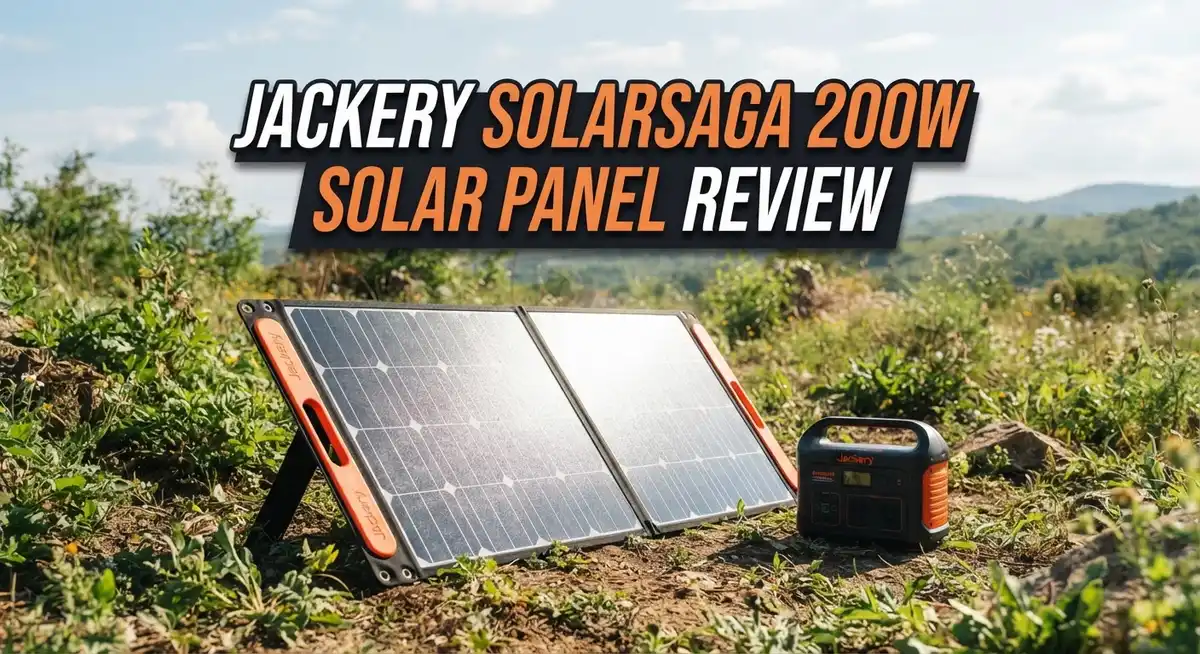
Jackery SolarSaga 200W Solar Panel Review: Worth Your Money?
Looking for clean power on the go? The Jackery SolarSaga 200W Solar Panel might catch your eye. It promises big power from the sun, wrapped in a portable design.
This panel claims a 200W rated output. It also boasts a conversion efficiency of about 24.3%. On paper, it sounds like a solid choice for campers and outdoor lovers.
But does it truly deliver? Many users report real world numbers closer to 160-170W. That gap between promise and performance matters.
In this review, we dig into the specs, pros, and cons of this panel. We look at its portability, charging speed, and build quality. We also check if it pairs well with Jackery power stations.
Stick around. You will get a clear, honest picture before you decide.
In a Nutshell
Here is a quick summary of what you need to know about this panel.
-
Power output falls short. Jackery rates this panel at 200W. But real world tests show it often maxes out at 160-170W.
-
It travels well. The lightweight design and built in kickstand make setup simple. You do not need mounting hardware or tools.
-
It works with your Jackery gear. This panel pairs smoothly with all Jackery power stations. That makes it a safe pick if you already own one.
-
Cleaning is simple. A soft damp cloth keeps the panel surface clear. No special tools or sprays are needed.
-
Durability raises some concerns. Some users report issues with the kickstand stability and handle strength. Water resistance also needs more testing in tough weather.
-
It still beats off brand options. Compared to generic 220W panels, this one offers steadier performance and better build quality overall.
So this panel is a solid portable choice. Just keep your expectations realistic about hitting that full 200W mark.
Power Output and Conversion Efficiency
The Jackery SolarSaga 200W delivers real world performance that differs from its marketing claims. Jackery rates this panel at 200W, but users consistently report maximum outputs between 160 and 170W under ideal conditions. This gap matters when you plan your charging strategy.
The panel achieves approximately 24.3% conversion efficiency, which places it in the solid range for portable solar technology. This efficiency rating tells you how much sunlight the panel converts into usable electricity. Higher efficiency means faster charging times and better performance on cloudy days.
When paired with a Jackery 1000W power station, the SolarSaga 200W completes a full charge in about 6.5 hours. This charging speed assumes optimal sun angle and clear skies. Real world conditions like partial shade or morning light will extend this timeframe. You should expect longer charging periods during winter months or in northern climates.
The conversion efficiency remains consistent across different Jackery power stations. Whether you own a smaller 300W model or a larger 2000W unit, the panel’s efficiency stays the same. The charging time simply adjusts based on your battery’s capacity.
Weather and angle significantly impact actual output. Even a slight tilt away from direct sunlight reduces power generation. Dust, pollen, or water droplets on the panel surface also lower efficiency. Regular cleaning with a soft, damp cloth helps maintain peak performance.
Comparing this panel to off-brand 220W alternatives shows a real advantage. Generic panels often deliver inconsistent power, while the SolarSaga maintains steadier output. The branded option provides more reliable charging even if it doesn’t hit its 200W rating.
Understanding the gap between rated and real world output helps set proper expectations. Plan your charging around 160-170W actual output rather than the 200W specification. This approach prevents frustration and ensures you have enough solar capacity for your needs. The panel works well for portable solar setups, but honest expectations matter for satisfaction.

- Bifacial Solar Conversion: Featuring bifacial solar conversion coupled with our cutting-edge IBC...
- Ultra Fast Solar Charging: Experience the pinnacle of solar charging efficiency with our 200W power...
- Highly Compatible: Equipped with USB-C/USB-A ports, and a DC8020 * 1 port, this efficient solar charger...
Last update on 2026-11-01 / Affiliate links / Images from Amazon Product Advertising API
Portability and Design
The Jackery SolarSaga 200W stands out when you need solar power that moves with you. The panel weighs just enough to carry, yet sturdy enough for daily use. Its compact footprint fits easily into backpacks, car trunks, or RV storage spaces.
The built in kickstand deserves attention here. You can prop the panel at various angles without extra mounting hardware or tools. This means faster setup at campsites, beaches, or outdoor events. No complicated installation process required. Just unfold, position, and start charging.
However, some users report kickstand stability concerns on uneven ground. Windy conditions may shift the panel if you do not add weight or anchors. The handle design also draws mixed feedback. Some owners mention durability issues after extended use, particularly where the handle connects to the frame.
The panel’s surface stays clean with minimal effort. A soft damp cloth removes dust and dirt easily. This simple maintenance keeps your conversion efficiency from dropping due to buildup. Regular cleaning takes just a few minutes and extends the panel’s lifespan.
The overall build quality feels solid for a portable option. Compared to off brand 220W panels, the SolarSaga maintains better structural integrity. The frame resists warping, and the connections stay tight through repeated folding and unfolding. Users appreciate how it holds up through multiple camping seasons.
Weight distribution matters for portability. The panel balances well when you carry it, reducing arm strain during longer walks. The foldable design cuts its footprint in half, making transport genuinely convenient.
Design choices prioritize function over flashiness. Every element serves a purpose. The black surface absorbs sunlight efficiently. The frame geometry supports the panels without excess material. Even the cable management keeps wires organized and protected.
For travelers and outdoor enthusiasts, this design philosophy works well. You get a solar solution that travels light, sets up fast, and handles real world conditions. The kickstand and portability features make it practical for people who value simplicity and reliability over advanced features.
Charging Speed and Battery Compatibility
The Jackery SolarSaga 200W charges your Jackery power stations faster than you might expect. When you connect it to a Jackery 1000W power station, a full charge takes about 6.5 hours under ideal conditions. This speed makes it practical for camping trips and outdoor adventures.
Real world charging speed depends on several factors. Sunlight intensity matters most. Direct overhead sun produces faster charges than morning or afternoon angles. Cloud cover and weather conditions also slow things down significantly. You should expect longer charging times on cloudy days or when the panel sits at an angle.
The panel’s 24.3% conversion efficiency keeps charging steady across different Jackery power stations. This means the power you get stays reliable whether you use a smaller or larger Jackery battery. The efficiency rating puts this panel in the solid range for portable solar equipment.
Compatibility spans all Jackery models. You won’t face any connection issues with your Jackery power station. The panel plugs in easily and starts charging immediately. This universal compatibility removes guesswork from your purchase decision.
Battery size affects charging speed too. Smaller Jackery batteries charge faster than larger ones. A 500W station fills quicker than the 1000W model. You should check your specific battery’s specifications to estimate your personal charging time.
Temperature plays a hidden role in charging performance. Hot conditions can reduce efficiency slightly. Cool mornings often produce better results than afternoon heat. This is why many users report faster charges early in the day.
The kickstand positioning impacts charging speed indirectly. A poor angle reduces sunlight capture and slows charging. Positioning the panel perpendicular to the sun keeps your charging time minimal. Flat ground allows the kickstand to hold the optimal angle steadily.
Realistic expectations matter here. The panel won’t always deliver its maximum 200W output. Users typically see 160 to 170W in real conditions. This still charges your Jackery stations effectively, just slightly slower than marketing suggests. Plan your charging time accordingly for trips where power matters most.
Top 3 Alternatives
Renogy 200W Solar Panel

- 【Perfect Size for Class B Vans】This 200W N-Type solar panels are 7.5% smaller and 11.7% lighter than...
- 【25% Cell Efficiency】The 200 watt solar panel features a remarkable 25% efficiency, utilizing...
- 【Improved Efficiency and Flexibility】The 24V solar panel minimizes current loss and boosts system...
Last update on 2026-11-01 / Affiliate links / Images from Amazon Product Advertising API
The Renogy 200W Solar Panel offers solid performance for people who want reliable energy on the go. This panel uses monocrystalline technology to convert sunlight into power efficiently. You get a lightweight design that fits easily into backpacks or on RVs.
The panel comes with sturdy connectors and a carrying case for protection. Installation takes just a few minutes. You can connect multiple panels together if you need more power. The build quality feels durable, and users report good performance even on cloudy days.
BLUETTI PV200 Solar Panel

- [200W Solar Panel] - BLUETTI solar panel w/ solar connector can offer 200W solar power for solar...
- [High Cell Efficiency] - Built with monocrystalline solar cells, BLUETTI 200W solar panel can convert up...
- [Long-lasting ETFE Coating] - The 200W solar panel is also designed to withstand any scratches and water...
Last update on 2026-11-01 / Affiliate links / Images from Amazon Product Advertising API
The BLUETTI PV200 Solar Panel stands out with its high conversion efficiency. This panel pairs perfectly with BLUETTI power stations for seamless energy flow. The foldable design makes it incredibly portable and easy to store.
You’ll appreciate the integrated kickstand that adjusts to different angles for optimal sun exposure. The panel charges quickly and handles various weather conditions well. Connections happen automatically with compatible BLUETTI devices, so setup feels simple and straightforward.
EcoFlow 400W Solar Panel

- 【23.5% Highly Efficiency Solar Panel】MHPOWOS 400w solar panel utilizes A+ monocrystalline solar...
- 【Compatible with Most Solar Generators】400W portable solar panel is compatible with a variety of...
- 【Foldable & Portable Solar Panel】Designed for portability and convenience, the 400W solar panel...
Last update on 2026-11-01 / Affiliate links / Images from Amazon Product Advertising API
The EcoFlow 400W Solar Panel delivers double the wattage of smaller alternatives. This makes it perfect if you need to power multiple devices or charge faster. The panel features a sleek black design and connects easily with EcoFlow power stations.
The rigid frame provides excellent stability in outdoor settings. You get faster charging times compared to lower wattage options. The panel works well in partial shade, which many users find valuable. Installation requires minimal effort, and the durability matches its premium construction.
Durability and Build Quality
The Jackery SolarSaga 200W shows solid construction for a portable solar panel. The frame uses durable materials that withstand regular outdoor use. Users appreciate how the panel resists minor bumps and handling during transport.
Water resistance presents a real concern here. The panel lacks full waterproofing despite its outdoor purpose. Rain exposure can damage internal components over time. You should avoid prolonged wet conditions and dry the panel after moisture contact.
The kickstand mechanism reveals mixed durability results. It supports the panel on flat surfaces without issues. On uneven ground, however, the stand can wobble or tip. Users report stability problems when setting up on rocky terrain or sand.
Handle durability shows weakness in long term use. Several owners report cracking or loosening after repeated folding and unfolding. The handles experience stress during transport and storage. This area needs reinforcement for frequent travelers.
The panel’s surface construction makes cleaning simple. Dust and dirt wipe away with a soft, damp cloth. This easy maintenance helps preserve efficiency over months of use. The glass front resists scratching under normal care.
Weight distribution supports portability without sacrificing sturdiness. The panel balances well when carried by its handles. The kickstand positioning keeps the center of gravity stable during charging sessions.
Build quality feels adequate for portable applications. The seams fit together cleanly with minimal gaps. Internal wiring appears well organized during inspection. Connection points to power stations feel secure and reliable.
Long term durability depends heavily on storage conditions. Extreme heat or cold can weaken materials gradually. UV exposure fades the frame over years of outdoor use. Proper storage in shade extends the panel’s lifespan significantly.
Compared to off brand alternatives, this panel holds up better. Generic 220W panels often show faster deterioration. The SolarSaga maintains consistent performance longer. The build quality justifies choosing this option over cheaper knockoffs.
Real-World Performance vs. Rated Specs
The Jackery SolarSaga 200W delivers real power, but here’s what matters most: actual output often falls short of the 200W rating. Users consistently report maximum outputs between 160 and 170W under ideal conditions. This gap isn’t a defect. It reflects how solar panels work in the real world.
Several factors explain this performance difference. Cloud cover reduces output immediately. Panel angle matters significantly. Temperature affects efficiency too. Even slight dust buildup impacts results. The panel’s 24.3% conversion efficiency remains solid, yet reaching full rated capacity requires perfect conditions that rarely occur outdoors.
Testing shows the panel charges a 1000W Jackery battery in approximately 6.5 hours under optimal sunlight. Real world charging often takes longer. Morning and afternoon sessions produce different results. Weather patterns in your location directly influence actual charging speed. Seasonal changes affect sun angle and intensity throughout the year.
What you can expect realistically depends on your location and setup. Users in sunny regions see better performance than those in cloudy areas. Proper kickstand positioning helps maximize sun exposure. Angled placement beats flat placement every time. Even small adjustments to panel orientation create noticeable charging differences.
The conversion efficiency rating of 24.3% represents laboratory conditions. Your backyard or campsite won’t match lab perfection. This doesn’t mean the panel underperforms. It means your expectations should align with real world physics.
Comparing rated specs to actual performance helps you plan charging schedules accurately. Don’t assume you’ll charge a battery in exactly 6.5 hours. Add buffer time for less than perfect conditions. Morning charging sessions rarely match afternoon output. Cloud timing affects your entire day’s power generation.
The Jackery SolarSaga 200W remains reliable for portable power needs. Understanding the performance gap prevents disappointment. You get consistent charging power within realistic ranges. Plan your power needs around 160 to 170W output, and you’ll experience solid results. This approach sets you up for success rather than frustration.
Pros and Cons
Pros
- Charges Jackery power stations quickly and works with all Jackery models
- Portable design requires no mounting hardware and folds for easy transport
- High 24.3% conversion efficiency keeps energy loss minimal in real conditions
- Simple cleaning with a soft damp cloth maintains peak performance
- Reliable for portable solar power needs without complex setup
Cons
- Real world output frequently reaches only 160 to 170W instead of the rated 200W
- Kickstand stability issues make consistent angling difficult in windy conditions
- Handle durability concerns emerge after repeated folding and unfolding cycles
- Water resistance falls short of full waterproofing despite outdoor use design
Who Should Buy It
This solar panel works best for people who already own Jackery power stations. You get seamless compatibility with all Jackery models without needing adapters or workarounds.
Portable adventurers benefit most from this panel. The folding design means you can pack it in a backpack or vehicle without taking up much space. No mounting hardware or installation skills are required. Just unfold it, angle it toward the sun, and start charging.
Campers and van lifers appreciate the lightweight construction. You can carry this panel to different locations easily. The soft damp cloth cleaning keeps it running at peak efficiency during extended trips. Real world conditions matter here, so expect realistic charging times rather than perfect laboratory numbers.
This panel suits people who accept real world performance limits. Output typically reaches 160 to 170W instead of the full 200W rating. If you understand this gap and plan your charging accordingly, you won’t feel disappointed. The 6.5 hour charge time for a 1000W battery becomes your planning baseline.
Weekend warriors find value in this setup. You don’t need permanent installation. Deploy it when you need it, store it when you don’t. The 24.3% conversion efficiency keeps energy loss reasonable during typical use.
Budget conscious solar users should know the limitations first. The kickstand stability issues mean you may need to adjust angles frequently in windy conditions. Handle durability concerns suggest careful handling during repeated folding cycles. These factors matter if you plan heavy regular use.
Off grid enthusiasts with modest power needs match well with this panel. It charges devices and smaller batteries reliably. You won’t power a whole cabin, but you can supplement your energy needs effectively.
Skip this panel if you demand maximum output every single time. Inconsistent performance frustrates perfectionists. You also need backup charging methods if water resistance concerns worry you during rainy conditions.
The Jackery SolarSaga 200W works for practical people who value portability over perfection. You get reliable solar charging for mobile lifestyles and Jackery ecosystem users.
Final Verdict
The Jackery SolarSaga 200W earns its place as a dependable companion for outdoor power needs. It does not promise perfection, but it delivers consistent results for everyday use.
Users who already own a Jackery power station gain the most from this panel. The seamless compatibility removes guesswork from setup and operation.
Off brand alternatives often claim higher wattage numbers. Yet these panels frequently lack the same build quality and charging consistency that Jackery provides.
This panel suits people who value simplicity over complicated installations. You unfold it, point it toward the sun, and let it work.
Honesty matters in any product review. The gap between advertised output and real world performance deserves attention before you buy.
Still, this gap does not erase the panel’s core strengths. It remains a solid pick for anyone building a portable power system around Jackery gear.
Think about your daily power needs before deciding. Light to moderate charging tasks fit well with what this panel offers.
Heavy power users with demanding schedules might feel limited by the output ceiling. Those users should weigh alternative panels with higher consistent performance.
Durability concerns around the handle and kickstand deserve a mention here too. Handle these parts with care to extend the panel’s working life.
Overall, this panel earns a fair recommendation for the right audience. It fits travelers, campers, and casual solar users who want straightforward charging without fuss.
Buyers who demand flawless specs every time might look elsewhere. But for most people, this panel proves reliable enough to trust outdoors.
The verdict stays simple. Choose this panel if you want portable convenience paired with proven Jackery compatibility.
Skip it only if guaranteed peak output matters more than ease of use. For everyone else, this remains a practical and sensible solar companion.
Frequently Asked Questions
Does the Jackery SolarSaga 200W actually deliver 200W of power?
Real world testing shows the panel typically outputs 160 to 170W instead of the full 200W rating. Users report this gap consistently across different conditions. The 24.3% conversion efficiency remains solid, but reaching maximum output requires ideal weather and perfect panel angles.
This doesn’t mean the panel fails. It means you should expect realistic numbers when planning your power setup. If you need exactly 200W, look elsewhere. If you can work with 160 to 170W, this panel performs reliably.
Can I use this solar panel with non Jackery power stations?
The SolarSaga 200W connects best with Jackery power stations through compatible connectors. Using it with other brands requires adapters or workarounds. You’ll get the smoothest experience if you already own a Jackery battery.
That said, the panel itself generates electricity. Any power station with the right input connector can accept solar power. Check your equipment’s manual for compatibility before purchasing.
How durable is the kickstand and handle?
The kickstand shows stability issues in windy conditions. It can wobble or slip when the panel needs angling adjustments. The handle also raises durability concerns after repeated folding and unfolding over months of use.
These aren’t deal breakers for occasional campers. Weekend warriors and casual adventurers rarely encounter problems. Heavy users who pack and unpack daily should note these weak points.
What’s the best way to clean and maintain this panel?
Cleaning is simple. Use a soft, damp cloth to wipe the surface. This removes dust and debris that block sunlight and reduce output. Regular cleaning keeps your panel performing at its realistic potential.
Avoid harsh chemicals or abrasive materials. The panel lacks full waterproofing despite outdoor use design, so dry it after cleaning.

Lufy combines years of electrical expertise with a passion for emerging technology to deliver honest, detailed reviews of tools, machines, and gadgets. Through electrokit.blog, Lufy empowers readers with practical insights and comparisons to choose the best electrical equipment for their needs.