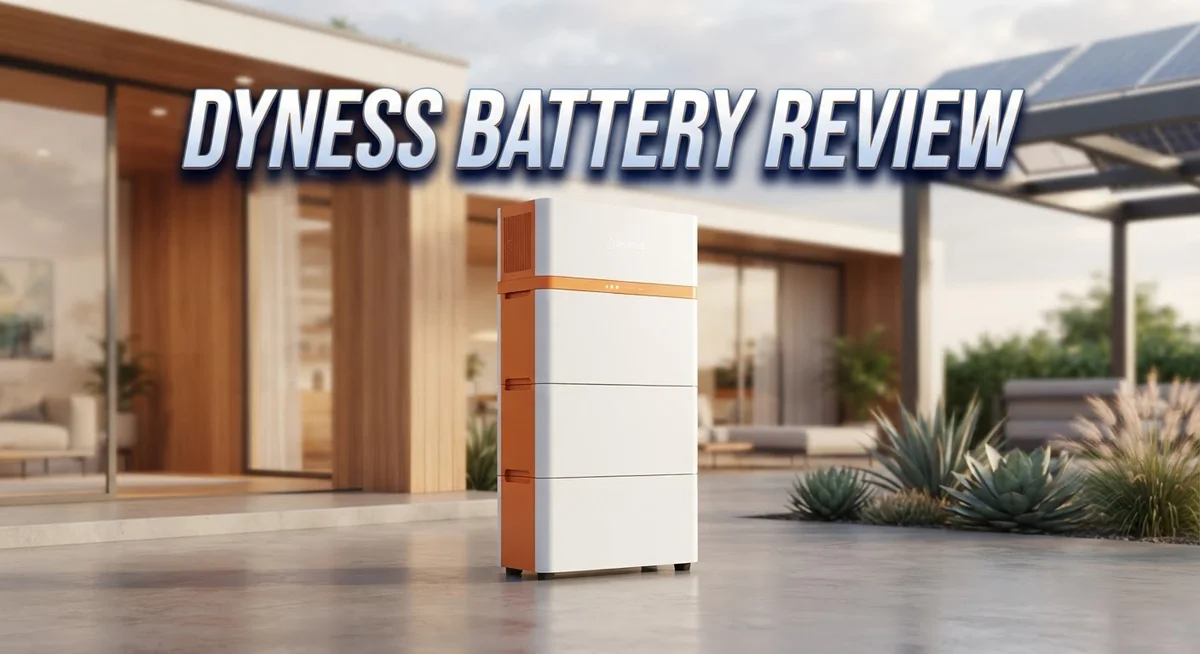
Dyness Battery Review: LiFePO4 Energy Storage System?
Looking for a reliable battery for your solar system? Dyness might be on your list.
This brand uses LiFePO4 chemistry. That means better safety and strong resistance to thermal runaway.
Dyness offers two main product lines. The PowerBrick and DL5.0C series both scale easily. You can expand these systems to match your energy needs.
Many users praise the build quality. The pricing also competes well against premium brands in this space.
But is Dyness the right choice for your home? It has a limited track record in Australia. Reviews show mixed results too.
This guide breaks down the real pros and cons. We will look at specs, performance, and how Dyness compares to brands like Tesla Powerwall and Sigenergy.
Let’s find out if this battery deserves a spot in your home.
In a Nutshell
Here is a quick snapshot of what Dyness brings to the table.
-
Scalable Power: You can start small and grow big. Systems range from 14.336 kWh all the way up to 716.8 kWh when you link multiple units together.
-
Flexible Voltage: Dyness offers both low-voltage and high-voltage battery options. This gives you more freedom to match your specific home setup.
-
Smart Monitoring: Keep an eye on your energy use from your phone. Bluetooth monitoring lets you check battery health without leaving the couch.
-
Wide Compatibility: These batteries play well with major inverter brands. This makes installation smoother for your solar technician.
-
Mixed User Ratings: Reviews show a 3.67 out of 5 score on Solar Choice. Some users love it, while others have reservations.
-
Tough Competition: Dyness goes up against big names like Tesla Powerwall and Sigenergy. It also competes with newer brands like Anker and Svolt.
Overall, Dyness packs strong specifications into its lineup. It is a solid contender if you want flexibility and smart features.
Battery Chemistry and Safety Features
Dyness batteries use LiFePO4 chemistry, which is one of the safest options available today. This chemistry resists thermal runaway, a dangerous condition where batteries overheat uncontrollably.
LiFePO4 batteries are stable by nature. They handle charge and discharge cycles without the fire risks linked to older lithium-ion types. This makes them ideal for home energy storage where safety matters most.
Dyness builds in multiple safety layers beyond just the chemistry. The batteries include battery management systems that monitor temperature, voltage, and current in real time. These systems automatically shut down the battery if any reading goes out of bounds.
The PowerBrick and DL5.0C lines both feature this protection. Users get peace of mind knowing the system watches itself 24/7. The management system prevents overcharging and over-discharging, which extends battery life and keeps your home safe.
Compatibility with major inverter brands adds another safety advantage. When your battery works seamlessly with your inverter, the whole system runs more smoothly. Poor compatibility can cause voltage spikes or communication errors that stress the battery. Dyness avoids this problem through broad inverter support.
Bluetooth monitoring lets you check battery status from your phone. You can see temperature readings, charge levels, and system health instantly. This transparency helps you spot issues early before they become serious problems.
The scalability of Dyness systems also supports safety. You can add up to 50 units in parallel, but you do this gradually as your needs grow. This staged approach means you’re never overextending your system beyond what it can handle safely.
One consideration: Dyness has a limited track record in Australia compared to established competitors. Fewer installations mean fewer long-term safety reports from local users. However, the chemistry and engineering behind these batteries are proven globally across thousands of installations.
The LiFePO4 foundation, combined with smart management systems and broad inverter compatibility, makes Dyness batteries a solid choice for home safety. You get proven chemistry with modern safety features built throughout the design.

- Lithium Battery
- [Real-Time Monitoring via Bluetooth 5.0] The advanced smart BT technology of the Dyness 12V lithium...
- [BCI Group 24 Size, Space-Saving]Dyness mini bluetooth lithium battery adopt high energy density A+ grade...
Last update on 2026-11-01 / Affiliate links / Images from Amazon Product Advertising API
Capacity Options and Scalability
Dyness batteries shine when you need flexibility in how much energy you store. The PowerBrick line ranges from 14.336 kWh up to 716.8 kWh. This means you can pick the exact size your home needs right now.
The DL5.0C series offers another path. It starts at 5.12 kWh and scales to 256 kWh. Both lines let you add more units later as your energy needs grow.
You can connect up to 50 battery units in parallel. This gives you serious expansion room without replacing your entire system. Start small today, then add capacity tomorrow when your solar panels produce more power or your household grows.
Low and high voltage options matter here too. Dyness lets you choose the voltage that fits your inverter and home setup. This flexibility means you’re not locked into one configuration. You can match the battery to your existing equipment or plan for future upgrades.
The scalability works in real time. Your system grows with you. If you install a Dyness battery this year, adding another unit next year takes minimal extra work. The modular design keeps things simple.
This approach beats buying one large battery upfront. You only invest in the capacity you actually use. As your solar system expands or your energy consumption changes, your battery storage can keep pace.
Many installers appreciate this flexibility. Sunsynk inverters pair well with Dyness batteries, and the combination gives you smooth scaling options. You’re not forced to choose between a small system that feels limiting or an oversized one that sits idle.
The real advantage? You get true system growth. Your battery investment protects itself. You won’t outgrow a Dyness system quickly because you can always add more modules. This scalability reduces the risk of making the wrong size choice today.
Inverter Compatibility and System Integration
Dyness batteries work with most inverter brands on the market today. This compatibility matters because you have real choices when building your system. You are not locked into one inverter manufacturer or forced to use proprietary equipment.
The PowerBrick and DL5.0C models both support low-voltage and high-voltage configurations. This flexibility lets you match the battery to your existing inverter setup. Whether your home runs a 48V or 400V system, Dyness has an option that fits.
Integration happens smoothly because Dyness follows industry standards. Your installer can connect the battery to inverters from brands like Sunsynk, Growatt, or Solarmax without special adapters or workarounds. This reduces installation time and complexity.
You can expand your system as your energy needs grow. Start with one battery unit and add more later without replacing your inverter. The system scales from small homes to larger properties, all while keeping your current equipment in place.
Dyness batteries include Bluetooth monitoring that works with most modern inverters. You watch real-time data on your phone about how much power you are storing and using. This visibility helps you understand your energy patterns and adjust usage habits.
The parallel connection capability matters here too. You can link up to 50 units together, which means massive storage potential without buying an entirely new system. Your inverter stays the same while your battery capacity grows.
One practical benefit: installers across Australia recognize Dyness equipment. They know how to wire it, configure it, and troubleshoot it. This means faster service calls and easier support if something needs attention.
The system integration approach also reduces compatibility risks. Because Dyness works with established inverter brands, you get proven combinations that have been tested in real homes. You avoid experimental setups or unknown interactions between components.
This straightforward integration means less downtime during installation. Your solar system keeps running while the battery gets added to the setup. You get energy independence without weeks of disruption to your home.
Top 3 Alternatives
LiFePO4 Battery Pack

- Long Cycle Life, 3000+ Cycles. 12 LiFePO4 battery pack is constructed from High Quality Lithium Iron...
- High Capacity: 12.8V 6000mAh 76.8Wh. DC5521 Output: 14.6V-9V (Nominal: 12.8 volt) /5A Max. The voltage of...
- Compatible with slide and film viewer, digital/CCTV cameras, 12 volt HDTV, portable tv, booth lighting...
Last update on 2026-11-01 / Affiliate links / Images from Amazon Product Advertising API
LiFePO4 batteries offer superior safety and longevity compared to traditional options. These cells use lithium iron phosphate chemistry, which makes them more stable during charging and discharging cycles. You get consistent power output without the risk of thermal runaway.
The lifespan of LiFePO4 packs reaches 3,000 to 5,000 charge cycles. This means fewer replacements over time. They work well for solar systems, RVs, and off-grid applications where reliability matters most.
Lithium Iron Phosphate Battery

- Space-Saving & Lighter: 14.49 × 7.44 × 10.63 in, only 57.17lbs. 35% smaller than12V 300Ah lifepo...
- Compact Yet Mighty: From weekend RV trips to off-grid cabins and emergency home power outages, this...
- Smart Bluetooth 5.0 Integration: Monitor voltage, SOC (State of Charge), and real-time performance via...
Last update on 2026-11-01 / Affiliate links / Images from Amazon Product Advertising API
Lithium iron phosphate represents the same technology as LiFePO4, just using the full chemical name. This battery type delivers excellent performance in extreme temperatures, from freezing cold to intense heat.
You’ll notice faster charging speeds and better energy retention. The cells maintain their capacity even after hundreds of cycles. Many users prefer this chemistry for marine applications and backup power systems because it handles deep discharges without damage.
Portable Power Station Battery

- Ultra-Lightweight: At only 7.5 lbs, the Explorer 300 delivers a robust 292Wh capacity while remaining...
- Versatile Power for 6 Devices: Equipped with 2 AC outlets, a 100W USB-C PD port, 2 USB-A ports, and a...
- Built to Last: Upgraded with premium LiFePO4 chemistry, this portable generator delivers over...
Last update on 2026-11-01 / Affiliate links / Images from Amazon Product Advertising API
Portable power stations bundle battery cells with inverters and charging systems into one unit. These all-in-one solutions eliminate the need for separate components and complex installation.
You can charge your devices immediately without additional setup. Most portable stations feature multiple output ports for phones, laptops, and appliances. They’re ideal for camping trips, emergency backup, or powering tools on job sites. The integrated management system protects your devices from power surges automatically.
All three alternatives provide reliable energy storage. Your choice depends on whether you need a standalone cell, a chemical option, or a complete ready-to-use system. Each serves different applications and user preferences effectively.
Monitoring and Smart Features
Dyness batteries come with smart monitoring capabilities that let you track your system in real time. You can check battery status, charge levels, and performance metrics straight from your smartphone using Bluetooth connectivity. This feature gives you instant visibility into how your energy storage is performing.
The monitoring system works with most modern inverters on the market. Real time data helps you understand your energy patterns. You see when your battery charges, discharges, and how much power flows through your system. This information helps you optimize when you use stored energy.
Scalability meets smart features when you expand your system. As you add more battery units in parallel, the monitoring system tracks all of them together. You don’t need separate apps or complicated setups for each unit. The system handles multiple batteries as one cohesive network.
The Bluetooth monitoring also supports remote troubleshooting. If something needs attention, your installer or support team can review data without visiting your site. This saves time and money on service calls. Early alerts help prevent small issues from becoming big problems.
Integration with major inverter brands means your monitoring works seamlessly. Dyness follows industry standards, so compatibility issues rarely occur. Your inverter communicates with the battery system automatically. You get a unified dashboard that shows everything happening in your energy system.
Data logging capabilities track your battery’s performance over months and years. You can see seasonal trends in your energy use. This historical data helps you plan future upgrades or adjust your habits. Many users find this information valuable for understanding their energy independence journey.
The monitoring approach reflects Dyness’s focus on user control. You’re not locked into a proprietary system that only works one way. Your smartphone becomes the control center for your energy storage. Simple interfaces mean you don’t need technical expertise to understand what’s happening with your battery.
Build Quality and Durability
Dyness batteries use LiFePO4 chemistry, which means they resist thermal runaway and stay safe even under stress. This chemistry choice matters because it reduces fire risk compared to other lithium types.
The PowerBrick and DL5.0C models both feature solid construction that users report holding up well. The casing protects internal components from moisture and dust. Most units come with IP ratings that suit outdoor installations.
Thermal management keeps these batteries cool during charging and discharging cycles. Dyness builds heat dissipation into the system design. This prevents performance drops when your battery works hard on hot days.
The modular design adds durability in a different way. Instead of one large battery that fails completely, you can replace individual units if needed. This approach spreads risk across your system.
Dyness batteries support up to 50 units in parallel connection. This scalability means you build your system gradually without replacing old components. Older units continue working alongside newer ones, which reduces waste.
The LiFePO4 cells inside these batteries typically last 10 plus years with proper use. Dyness publishes cycle ratings that show how many charge cycles the battery survives. Most models handle 5,000 to 10,000 cycles before significant capacity loss occurs.
Casing and connectors receive attention in the design process. Dyness uses corrosion resistant materials for terminals and housing. This matters in humid Australian climates where salt air can damage equipment.
The battery management system monitors cell health continuously. It balances charge across all cells to prevent weak spots from developing. This active management extends the lifespan of your entire system.
Dyness batteries include protection against overcharge, over discharge, and short circuits. These safety features activate automatically without user input. The system shuts down if voltage goes too high or too low.
User reports suggest Dyness batteries perform consistently over years of operation. The company’s focus on LiFePO4 chemistry and modular construction creates equipment that handles daily cycling well. Real world feedback shows minimal degradation in the first five years of use.
Pros and Cons
Pros
- LiFePO4 chemistry resists thermal runaway and keeps your system safe under stress
- Scalable design lets you expand from 5 kWh to 256 kWh as your energy needs grow
- Bluetooth monitoring gives you real time control and remote troubleshooting access
- Works with all major inverter brands on the market today
- Users report solid build quality that holds up well over time
Cons
- Limited track record in Australia compared to established competitors
- Mixed review scores suggest some customers experienced inconsistent results
- Smaller regional presence means fewer local installers and support options
- Less brand recognition than premium alternatives in the home battery space
Who Should Buy It
Dyness batteries work well for homeowners who want scalable energy storage without being locked into one system size. If your energy needs might grow in the future, the ability to expand from 5 kWh up to 256 kWh makes sense for you.
You should consider Dyness if you already use or plan to install a major inverter brand. The batteries connect smoothly with most popular systems on the market. This compatibility removes installation headaches and keeps your setup simple.
Off-grid and hybrid system users benefit from Dyness models. The PowerBrick and DL5.0C both handle frequent charge and discharge cycles well. LiFePO4 chemistry means your battery stays safe even during intense usage patterns.
Home battery buyers who value real-time monitoring find the Bluetooth system useful. You track your battery’s performance from your phone. Remote troubleshooting access helps you spot problems early without calling a technician.
Dyness suits property owners in regions with decent solar potential. If you generate excess power during the day, these batteries capture that energy efficiently. You then use stored power during peak rates or evening hours.
Homeowners looking for long-term reliability should note the 10+ year lifespan of LiFePO4 cells. The battery management system watches cell health continuously. This continuous monitoring reduces the risk of unexpected failures.
You might skip Dyness if you need extensive local support right now. The brand has limited presence across Australia compared to established competitors. Fewer regional installers means longer wait times for service calls in some areas.
Buyers who want the most recognizable name in home batteries may prefer alternatives. Dyness focuses on solid performance rather than premium brand status. This approach appeals to practical buyers, not those seeking status symbols.
Consider Dyness if mixed review scores don’t concern you. Some customers report excellent results while others experienced inconsistency. Your specific installation and usage pattern will determine your actual experience.
The modular design makes Dyness ideal for staged installations. You start small and add units as your budget allows. This flexibility helps you build your system gradually rather than all at once.
Final Verdict
Dyness stands out as a strong contender in the home battery market. Its LiFePO4 technology and flexible sizing options make it a practical choice for many households.
The brand competes directly with names like Tesla Powerwall, Sigenergy, and Anker. While these competitors have stronger brand recognition, Dyness holds its own on technical merit.
Build quality and safety features put this battery in good company among established players. The engineering behind these units shows careful attention to detail.
That said, Dyness is still building its reputation in certain markets. New brands often face this challenge as they grow their presence and support networks.
Customer feedback remains somewhat mixed. Some users report excellent experiences while others note inconsistencies. This pattern is common for newer entrants competing against decades old brands.
Should you choose Dyness over Tesla Powerwall or Sigenergy? That depends on your priorities. If cutting edge technology with proven track records matters most, premium brands may suit you better.
If you want solid performance with growth potential, Dyness deserves serious consideration. The ability to scale your system as needs change gives it a practical edge.
Who benefits most from this battery? Homeowners who already understand solar systems and want flexibility will appreciate what Dyness offers. People new to battery storage might prefer brands with more established support networks first.
Compare Dyness against Svolt and Sunsynk pairings too. Each brand brings different strengths to the table, so your specific setup matters.
The final decision comes down to your comfort level with newer brands versus established market leaders. Dyness offers solid technology wrapped in a less familiar package.
For many homeowners, this trade off works well. The core engineering stands strong, even if the brand name carries less weight than premium alternatives right now.
Weigh your options carefully based on your local support needs and long term energy goals before making this investment in your home.
Frequently Asked Questions
What makes Dyness batteries different from Tesla Powerwall?
Dyness uses LiFePO4 chemistry, just like Powerwall. Both are safe and resist thermal runaway. The key difference is scalability. Dyness lets you stack up to 50 units in parallel, giving you extreme flexibility as your energy needs grow.
Powerwall is more rigid in design. You add units, but the system feels more fixed. Dyness works with virtually all major inverter brands, while Powerwall requires Tesla’s ecosystem.
Build quality on both is solid. Dyness has fewer years on the Australian market, so brand recognition differs. If you want growth potential and inverter flexibility, Dyness wins. If you prefer a single trusted name, Powerwall has the edge.
Can I expand my Dyness battery system later?
Yes. This is one of Dyness’s strongest features. The PowerBrick and DL5.0C models both support parallel connection of up to 50 units.
Start small today. Add more batteries as your solar production increases or your household needs change. No system redesign required. Just connect them together using standard wiring.
Real-time Bluetooth monitoring lets you track expansion in real time. You see exactly how each battery performs as you scale up.
Which Dyness model should I choose?
The PowerBrick offers larger capacity options (up to 716.8 kWh total). Pick this if you want maximum storage in fewer units.
The DL5.0C maxes out at 256 kWh and suits smaller homes or those adding capacity gradually. Both come in low and high-voltage versions.
Check your inverter specs first. Dyness batteries work with most major brands, but confirm compatibility before buying. Your installer can verify this in minutes.
Is Dyness reliable for off-grid living?
LiFePO4 cells last 10+ years with proper care. Dyness batteries handle off-grid and hybrid setups well.
Off-grid users appreciate the scalability. You can start with modest storage and expand as experience grows. Bluetooth monitoring helps you understand your energy patterns in real time.
One caution: Dyness has limited regional support in some Australian areas. If you need hands-on technical help quickly, check local installer availability first.

Lufy combines years of electrical expertise with a passion for emerging technology to deliver honest, detailed reviews of tools, machines, and gadgets. Through electrokit.blog, Lufy empowers readers with practical insights and comparisons to choose the best electrical equipment for their needs.