Greenworks 80V 730 CFM Backpack Blower Review: Airflow, Battery Life and Verdict
Yard cleanup can feel like a chore. Leaves pile up fast, and wet grass clings to everything. A good backpack blower makes the job quicker and far less tiring.
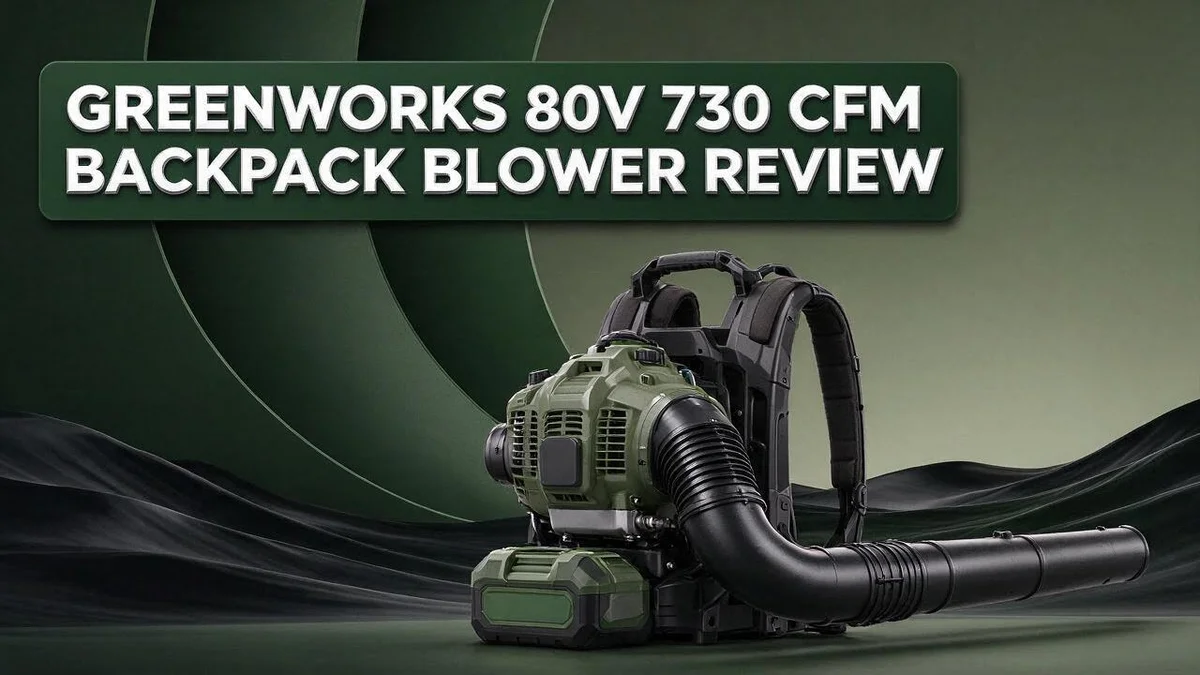
The Greenworks 80V 730 CFM Backpack Blower aims to do just that. It runs on a brushless cordless 80V system. It offers 730 CFM of airflow and up to 180 MPH of air speed.
Owners often praise how light it feels on the back. It also runs quieter than gas models and gives off no exhaust fumes. Many users say their batteries last for years.
Shoppers want power, comfort, and quiet. This model tries to deliver all three. Still, not every test agrees. One reviewer measured airflow closer to 610 CFM. Sources also vary on runtime and battery setup, so check the listing details before you decide. Let’s look at what it does well and where it falls short.
In a Nutshell
-
No exhaust fumes: This electric model runs without gas or exhaust, so you can clear debris near open doors or inside a garage without the usual smell.
-
Less shaking: Owners say it causes less vibration than gas models, which may make long cleanup sessions easier on your body.
-
Lasting batteries: One user reports that batteries from eight years ago still work, which suggests the battery pack can last a long time.
-
Ready to use: The Lowe’s listing includes a 4 Ah battery and charger, so you can start working right after setup.
-
Runtime: A YouTube review shows up to 70 minutes on one charge, but it does not say which battery setup was used.
-
Mixed airflow ratings: Listings show 730 CFM or 750 CFM, yet one test measured 610 CFM and called it low for a backpack model. Read more than one source before you decide.
Airflow Performance

- Powerful Performance: Delivers up to 800 CFM with air speeds of 195 MPH. Ideal for effortlessly blowing...
- Enhanced Control: Features a variable speed trigger, cruise control, and turbo button, allowing for...
- Quiet Operation: Utilizes Quietforce technology, providing less noise while maintaining high power...
Last update on 2026-11-01 / Affiliate links / Images from Amazon Product Advertising API
Airflow is the main number that shows how well a blower moves debris. CFM means cubic feet per minute, and it tells you how much air flows out each second. The MPH rating shows how fast that air leaves the nozzle.
Think about your yard size first. Small patios and walkways need less force. Large lawns with heavy leaf piles usually need more air to move debris quickly.
Wet leaves are heavier than dry leaves. They stick to driveways and need stronger air to lift. A higher CFM rating helps in these cases, so consider your local weather.
Most people use the high setting for big jobs. Lower settings save battery power for smaller tasks. Using the throttle wisely can stretch a single charge further and keep the blower working well.
Keep the nozzle close to the ground. Sweep in steady passes instead of blasting one spot. Air moves best when you aim it at the pile rather than the sky.
Gutters and gravel beds need focused force. Use a narrow nozzle for these tight spots. Wide nozzles work better on open lawns where you want to cover ground.
Morning dew makes debris heavy. Wait for the grass to dry when possible. Your blower will move the pile faster and with less effort.
Work in small piles rather than one huge mound. Smaller piles move faster and keep airflow focused. This approach also saves your energy for the whole session.
Remember that airflow depends on more than the rating alone. Nozzle shape, air speed, and how you move all change the result. A narrow nozzle boosts speed but may reduce total volume.
Test before you commit to a big job. Clear a small section first. Watch how quickly the debris moves. This simple check shows whether the blower meets your needs. Keep notes on how each setting performs. This helps you pick the right speed for every job in your yard.
Battery and Runtime
The battery powers everything this blower does. Its size and charge decide how long you can keep working.
Battery size matters more than many shoppers expect. A bigger pack often runs longer, but it also adds weight.
A forum report says the Greenworks batteries are larger and heavier than some competitors. That extra weight can feel noticeable on your back during a long session.
Ego takes a different approach. Ego is known for more powerful batteries, which may suit heavy leaves and thick debris.
Think about your usual job first. A small patio or front walkway needs far less charge than a large lawn covered in wet leaves.
A second battery can keep you moving. Keep a spare pack charged so you can swap it in without a long pause.
Charge fully before a big cleanup. A full pack gives you the most time to finish the work in one go.
Your speed setting also changes how fast the charge drains. Lower settings stretch the battery further, while high settings use more power.
Battery life depends on care too. Store the pack indoors in a cool, dry place, since heat and cold can wear it down over time.
Replace an old pack only when it stops holding a charge well. Signs of wear include shorter runs and slower recharging.
Look at the battery and charger combination in each listing. Some sellers bundle a battery, while others sell the blower alone. Read the details so you know what arrives in the box.
Before you commit to a large project, run the blower on a small section. This test shows how quickly the battery drains with your own habits.
Battery planning takes a few minutes but pays off. With a clear plan, your yard work feels smoother and far less rushed.
Weight, Comfort and Handling
Carrying a blower for a full cleanup can wear you down fast. The way the unit sits on your back matters just as much as its listed power.
Owners describe this Greenworks model as lighter than gas versions. That difference often shows up after the first few minutes of work. Gas engines carry heavy metal parts and fuel, so they pull harder on your shoulders.
Balance is the next thing to check. A balanced load sits close to your spine and rests on your hips. When the weight hangs far from your body, your lower back works much harder.
Shoulder straps deserve a close look. Padded straps spread pressure across your shoulders, while thin straps can dig in. Try the harness on before you commit, and adjust it to fit your frame.
Comfort on the move matters as much as comfort at rest. Walk around the yard with the unit on. Then bend down, reach up, and turn from side to side. A good fit should feel steady during every motion.
Grip and control also shape how you handle the blower. The tube and handle position affect your posture. Keep your elbows relaxed and your wrists straight to avoid strain.
Think about your body first. Shorter users may find a long tube awkward to swing. Taller users may need extra strap length. Small changes in fit can make a big difference after an hour of raking and blowing.
Take regular breaks during big jobs. Set the blower down, stretch your back, and drink some water. Your body will thank you by the end of the day.
Handling comfort ties directly to how well you finish. A light, balanced blower that fits well keeps you working longer and with more control.
Top 3 Alternatives
If you want a different option, these three alternatives are worth a look. Each one suits a different type of yard.
EGO LB6504

- TURBO MODE: Battery powered leaf blower lets you power though wet leaves, caked on grass, rocks, and...
- UP TO 90 MINUTES OF RUNTIME: A single charge of the included 5.0Ah battery lets you work with the EGO...
- VARIABLE SPEED DIAL WITH LOCK ON BUTTON: Pull the trigger to choose blower speeds from 225 to 470 CFM and...

Last update on 2026-11-01 / Affiliate links / Images from Amazon Product Advertising API
Want a cordless choice that runs quietly? The EGO LB6504 is a battery powered backpack blower that delivers strong airflow for leaves and loose debris. You never need to mix fuel or pull a cord to start it. This makes everyday cleanup simple.
Best for: Homeowners who want easy starts and low maintenance.
Echo PB-770T

- Genuine Echo replacement part.
- New, Bulk Packed.
- Genuine OEM Echo Replacement Part.
Last update on 2026-11-01 / Affiliate links / Images from Amazon Product Advertising API
Prefer a gas engine with plenty of power? The Echo PB-770T clears wet leaves and heavy clippings fast. Its harness sits comfortably on your back during longer sessions. Many users like its steady performance across medium to large lawns.
Best for: Property owners who need dependable power for regular yard work.
Stihl BR 800

- The professional leaf blower BR 700 from STIHL - an extremely powerful blower that is ideal for large...
- The particular advantages of this leaf blower are the high blowing force and low weight (10.8 kg)
- This professional leaf blower is ideal for comfortably removing lawn and hedge cuttings, leaves or debris
Last update on 2026-11-01 / Affiliate links / Images from Amazon Product Advertising API
The Stihl BR 800 delivers serious force for demanding outdoor jobs. Its gas engine moves large piles of debris with ease. Stihl builds its machines to handle years of seasonal use, so this model works well for frequent, heavy cleanup.
Best for: Professionals and large property owners who need maximum airflow.
Noise, Emissions and Upkeep
Noise is one of the biggest reasons people switch to electric. Owners say this model feels quieter than gas blowers. Lower sound can make early morning cleanups less stressful for you and your neighbors.
Quiet operation still matters for your ears. Wear hearing protection on long jobs, even with an electric motor. Short breaks also help you stay alert and focused.
Emissions are another clear difference. This blower has no exhaust fumes. You never mix fuel or oil, and you never smell smoke while you work.
Less mess also means less cleanup for you. Gas models need fuel, oil, and spark plug checks. This model skips most of those tasks.
Upkeep stays simple with an electric blower. Keep the air intake vents clear of grass and dust. A soft brush or dry cloth works well for this job.
Wipe down the tube and housing after each use. Damp debris can stick and build up over time. Check the nozzle for cracks or loose parts every few months.
Store the battery indoors in a dry spot. Extreme heat and cold can shorten battery life. Unplug the charger once the pack is full.
Check screws, clips, and the power switch before each big job. Tighten anything that feels loose. A quick check takes only a minute and prevents surprise problems.
Never spray water onto the motor housing. Let the unit dry fully before you store it. Moisture can lead to rust and corrosion on metal parts.
Look at your cleaning routine too. Brush off debris right after each job instead of waiting. Dried dirt is harder to remove later.
Keep a simple log of charging and cleaning dates. This habit helps you spot patterns and catch small issues early.
A well kept blower works better for longer. Good upkeep helps the tool last through many seasons. Small habits make a big difference over time.
Best Yard Jobs for This Blower
Fall leaves are the classic job for this blower. Dry leaves on a lawn or along a fence line move with ease. Work in long, slow passes so the leaves gather into one pile. Leaves also collect in corners and around posts, so check those spots too.
Grass clippings are another strong match. After mowing, clippings often land on walkways and patios. A quick pass clears them before they dry into a sticky mess.
Driveways and garage floors collect sand, dust, and pine needles. This blower pushes that material toward the edge. You can then sweep it up in one go.
Pay attention to the wind before you start. Working with the breeze keeps debris moving away from you. Blowing into the wind sends dust back at your face.
Patios and decks also benefit from a quick clean. Outdoor furniture often gathers seed pods and dust. A steady stream of air lifts these bits off the surface.
Garden beds need a gentle hand. Use lower power near mulch and young plants. Strong air can scatter bark and expose roots.
Sidewalks and fence lines collect clippings and dirt along the edges. Point the nozzle at a low angle to push that debris into the lawn or a bed.
Storm cleanup is another useful job. After a windy night, twigs, petals, and light branches spread across the yard. Gather the lighter debris into one spot, then bag it or haul it away.
Gravel paths and stone walkways look fresh again. Dust and fallen leaves hide between the stones. Sweep with short bursts from the nozzle, moving from one end to the other.
Planning the route saves time. Start with the largest open area, such as the lawn. Move next to the driveway, then the patio and walkways. Finish with the beds and edges.
This order keeps you from blowing debris back onto areas you already cleaned. A clear plan turns a messy yard into a tidy one in less time.
Pros and Cons
Pros
– Batteries often last for years, and one owner still uses 8-year-old packs.
– Blowing power feels adequate to most owners.
– A single charge can run up to 70 minutes.
– The Lowe’s listing includes a 4 Ah battery and charger.
Cons
– One reviewer measured 610 CFM and called that low for a backpack model.
– The battery is larger and heavier than some competitor packs.
– Ego offers more powerful batteries for heavier jobs.
– CFM figures vary across sources, so real results may differ.
Who Should Buy It
This blower fits homeowners with small to medium yards. It clears a typical lawn, driveway, and patio without fuss. Many people find that one tool covers most of their weekly cleanup.
Renters and apartment dwellers often struggle with limited storage space. This blower takes up far less room than a gas model. There are no fuel cans to store either, which keeps a small garage or closet tidy.
Many neighborhoods limit yard work to certain hours. A cordless tool helps you stay within those rules. You can finish your cleanup on a Saturday morning without worrying about the calendar.
Anyone who already owns 80V tools should take a close look. Sharing one battery platform keeps your chargers and packs in one place. You spend less time hunting for the right battery.
Beginners also find this model easy to start. You press a button and go. There are no pull cords to wrestle, no choke settings to adjust, and no fuel to mix.
Heavy professionals may want more muscle. Crews clearing large properties all day often need stronger airflow. Those users may prefer a gas model or a higher output option.
People with very large properties should also think carefully. One battery may not cover a long session of heavy debris removal. Plan for extra charged packs, or choose a different tool for those jobs.
Ask yourself a few simple questions first. How large is your yard? How often will you use the blower? Do you already own compatible batteries? Your answers point you toward the right choice.
Frequent users with a regular schedule often enjoy the convenience most. Charging a battery between jobs fits easily into a busy weekend. You can keep the tool ready near the back door.
Pet owners can also put this blower to good use. It helps clear loose fur from porches, decks, and walkways. A quick pass after each walk keeps floors cleaner.
Think about your daily routine too. A quick weekly clean suits this tool well. Heavy seasonal storms or large fall cleanups may call for something stronger.
Match the tool to your yard, and you will feel satisfied with your choice. Small and medium spaces are a natural fit. Larger or more demanding jobs deserve a closer look before you buy.
Final Verdict
The Greenworks 80V backpack blower earns a strong spot on the shortlist. It delivers clean, quiet performance for everyday yard care. Most owners feel happy with the results they get.
The overall picture looks positive, but it is not perfect. Power levels vary across sources. Read the listing closely so you know which battery comes in the box.
Think of this blower as a reliable partner for the middle ground. It handles regular cleanup without the noise and fumes of gasoline models. That exchange feels worth it for many households.
Buyers who want maximum force should look elsewhere. Gas units or stronger electric models suit tough jobs. Be honest about your needs before you commit.
Here is a simple way to decide. Start with your typical job, then compare it with the specs listed. If the job fits, this blower will serve you well.
Give it a real test run before you rely on it. Charge the battery, walk the yard, and notice how the harness sits on your back. Your own yard tells the real story.
Look after the battery to keep performance steady. Store the pack indoors and avoid leaving it in freezing or hot garages. Clean the air intake after each session. Keep a spare charged battery nearby for bigger weekends.
Check the warranty terms before you buy. Coverage details change over time, so read the current policy on the manufacturer site. A clear warranty adds peace of mind.
In short, this model offers a quiet, clean, and light option. It suits homeowners who prefer simple upkeep. Pick it when you want steady results with less hassle.
Finally, trust your own judgment. Compare the listing details, watch a demo, and pick the option that matches your yard. The right choice feels obvious once you know your needs. Your yard, your habits, and your schedule matter most.
Frequently Asked Questions
Are the reviews about this blower trustworthy?
Most reviews come from forums, social posts, and store listings. These sources do not use controlled testing. Read them as real owner stories rather than exact measurements. The airflow numbers also vary from one source to another, so test the blower on your own property before you decide.
Is switching from a gas blower hard?
Many people need a short adjustment period. Electric blowers start with a button, so you do not pull a cord or mix fuel. Expect to change your habits a little. Start with light cleanup jobs to learn how the blower responds.
Will the backpack feel comfortable on long jobs?
Backpack blowers rest their weight on your back and shoulders. A lighter unit usually feels easier over a long session. Adjust the straps so the weight sits evenly before you start. Take short breaks if your shoulders start to ache.
Can this blower handle wet leaves?
The research does not cover wet leaf performance. Wet leaves are heavier and clump together, so they can be harder to move. Test the blower on a small pile first. If it struggles, clear the wettest leaves with a rake before you blow.

Lufy combines years of electrical expertise with a passion for emerging technology to deliver honest, detailed reviews of tools, machines, and gadgets. Through electrokit.blog, Lufy empowers readers with practical insights and comparisons to choose the best electrical equipment for their needs.