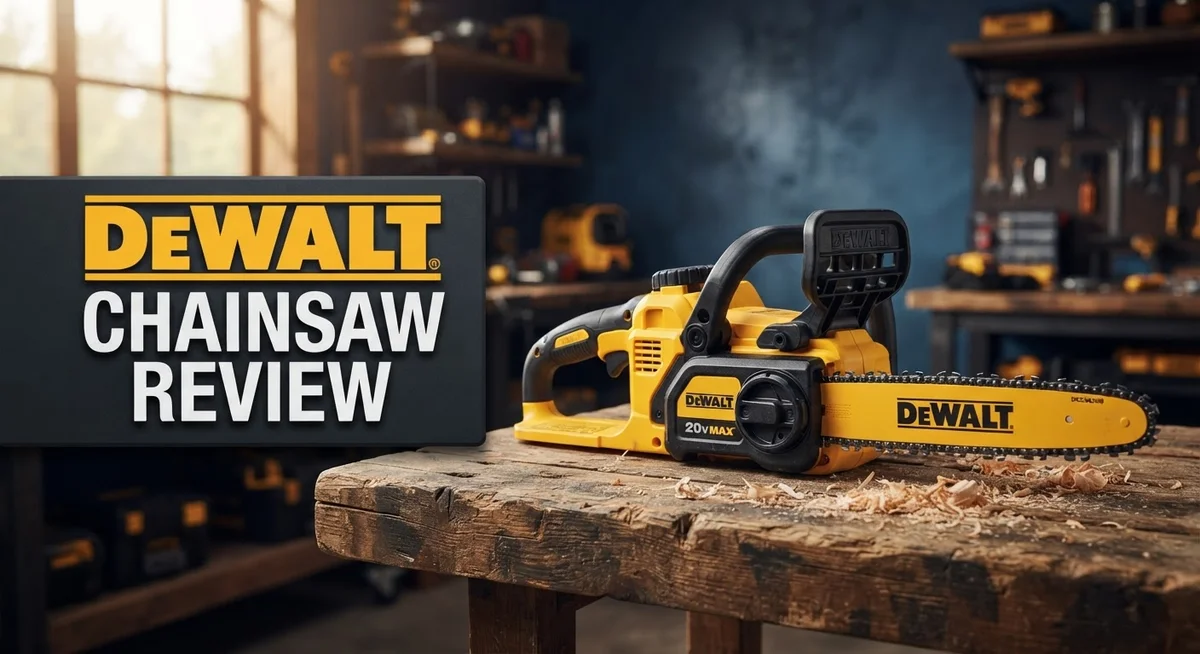
DeWalt Chainsaw Review: Cordless & Electric Models Compared
Looking for a chainsaw that cuts well and runs clean? DeWalt chainsaws might be your answer.
They come in several options. You get 60V MAX, 20V MAX, and corded electric models. Each one fits different yard needs.
DeWalt built these saws for real power. The 60V model uses a brushless motor. It also has a low kickback bar for safer cuts.
The 20V version packs a 1600W motor. It auto oils the chain. You won’t fumble with tools to adjust tension either.
Want something always ready to go? The corded 15 amp model gives you 2.8 HP. No battery charging needed.
These saws run quiet. They skip the fumes too. You won’t deal with fuel mixes or carburetor headaches.
This review breaks down what works and what doesn’t. We’ll compare DeWalt against top brands like Stihl and Husqvarna. Let’s find the right saw for your yard.
In a Nutshell
Here’s the quick lowdown on DeWalt chainsaws before you dive deeper:
- Brushless motors power both the 60V and 20V models. This means less wear and a longer tool life.
- The 60V model features a low kickback bar. This makes cuts safer and more predictable.
- Auto oiling and tool-free chain tension come standard on the 20V saw. You spend less time fiddling and more time cutting.
- These saws feel light in your hands. You get less fatigue during long jobs.
- No fuel. No carburetor. No mess. That means simpler maintenance compared to gas saws.
- Watch for occasional oil leaks and higher oil usage than expected.
- Runtime depends on your battery charge. Keep a spare pack handy for bigger jobs.
- Stacked against Stihl, Husqvarna, and EGO Power+, DeWalt holds its own in cutting power and build quality.
Bottom line: DeWalt gives you solid performance with modern convenience. Just keep an eye on oil levels and battery life.
Motor Power and Cutting Performance
DeWalt’s motor technology sits at the core of what makes these chainsaws perform. The brushless motors in both the 60V and 20V models deliver consistent power without the wear you’d see in traditional brushed designs. Brushless technology means fewer parts break down over time, so your saw stays reliable through season after season.
The 60V MAX model reaches peak performance for cordless cutting. Its motor spins fast enough to handle thick branches and small trees without bogging down. You get the cutting speed of a gas saw without the engine maintenance headaches.
The 20V MAX chainsaw brings 1600W of motor power to lighter jobs. This motor size handles yard cleanup, pruning, and occasional firewood cutting without hesitation. The motor runs smooth and steady, even under load.
Corded models deliver a constant 2.8 HP from that 15 amp motor. Since you’re plugged into wall power, you never lose cutting force mid job. The motor doesn’t depend on battery charge levels, so performance stays flat throughout your work.
Cutting performance across all models impresses users who switch from gas. The chains bite into wood cleanly. Cutting speed stays strong on both hardwood and softwood. The low kickback bar on the 60V model adds safety without sacrificing cutting efficiency.
One real world detail matters here: these motors run incredibly quiet. You’ll hear the chain more than the engine. This quiet operation lets you work early morning or late evening without disturbing neighbors. No spark plugs to foul. No carburetors to clean. Just push the power button and cut.
The auto oiling system on the 20V model keeps the chain lubricated automatically. The motor spins the chain at the right speed to distribute oil evenly. This setup reduces friction and heat buildup during extended cutting sessions.
Battery powered motors do have limits. Runtime depends on your battery state. Heavy cutting drains batteries faster than light trimming. Plan your jobs around your available batteries, or grab the corded model for unlimited runtime. Either way, DeWalt’s motor engineering delivers real cutting power in a modern package.

- 20V MAX 12 in. Cordless Battery Powered Chainsaw (Tool Only)
Last update on 2026-10-31 / Affiliate links / Images from Amazon Product Advertising API
Battery Life and Runtime
Battery life determines whether your chainsaw keeps working or stops mid job. DeWalt’s cordless models handle this challenge in different ways depending on which version you choose.
The 60V MAX model stands out for extended runtime. This powerhouse keeps cutting for longer stretches without needing a battery swap. Users report that a single charge handles most residential cutting tasks without interruption. The larger battery capacity means fewer breaks and more productivity on your property.
The 20V MAX chainsaw offers shorter runtime but suits lighter work perfectly. A full charge handles trimming branches and cutting smaller logs. You’ll need to swap batteries or recharge if you tackle bigger projects. Many owners keep multiple batteries on hand to keep working without delays.
Runtime varies based on several real factors. How hard you’re cutting affects battery drain significantly. Light trimming uses less power than pushing through thick wood. The chain’s sharpness matters too. A dull chain forces the motor to work harder and drains your battery faster.
Battery condition plays a major role in performance. New batteries deliver their best runtime. Over time, battery capacity naturally decreases with age and charge cycles. Proper storage and maintenance keep your batteries performing longer.
The corded 15 amp model eliminates battery concerns entirely. You get unlimited runtime as long as you stay within cord reach. This option works great for homeowners who don’t want to manage batteries at all. The tradeoff is less mobility around your yard.
Temperature affects how your battery performs. Cold weather reduces runtime temporarily. Your battery bounces back to normal performance once temperatures warm up. This matters if you work during winter months.
Planning your cutting projects around battery life makes sense. Charge fully before starting big jobs. Keep a spare battery charged and ready. This simple approach keeps your DeWalt chainsaw ready when you need it. Understanding your specific model’s runtime helps you work smarter and finish faster.
Ease of Use and Maintenance
Starting your DeWalt chainsaw takes seconds. You don’t need to mix fuel or pull a cord repeatedly. Just charge the battery, insert it, and you’re ready to cut. This simplicity beats gas models significantly.
The tool-free chain tension system on the 20V model saves you time. You adjust the chain without hunting for a wrench. A simple dial does the job. This feature keeps your chain tight and safe during operation.
Maintenance on DeWalt chainsaws stays minimal. You won’t clean spark plugs or unclog carburetors. Electric motors have fewer moving parts than gas engines. This means less can go wrong. Battery models need occasional battery care and charging. Corded models just need a power outlet nearby.
The auto-oiling system keeps your chain lubricated automatically. You fill the reservoir and forget about it. The system feeds oil as you cut. Manual oiling becomes unnecessary. This prevents chain damage and extends the life of your bar.
One area needs attention though. Oil leakage occasionally occurs on some units. Check your reservoir regularly. Wipe up any spills promptly. High oil consumption means you’ll refill the reservoir more often than with some competitors. This isn’t a major issue, but budget for extra bar and chain oil.
Cleaning your DeWalt chainsaw is straightforward. Wipe down the body after use. Remove any debris from the air vents. Corded models need a dry storage area away from moisture. Battery models should store in a cool place.
Weight matters for comfort during use. DeWalt chainsaws feel manageable in your hands. Lighter models reduce arm fatigue during extended cutting sessions. This makes the saws appealing for homeowners who aren’t professional loggers.
The low kickback bar on the 60V model adds safety. This feature reduces the chance of sudden jerks during operation. Combined with the quiet motor, you maintain better control throughout your project.
Overall, DeWalt chainsaws demand less fussing than traditional gas saws. Setup is quick. Maintenance is easy. You spend more time cutting and less time troubleshooting.
Top 3 Alternatives
Makita Chainsaw

- No gas, emissions, oil mixing or pull starts
- High performance with low noise levels
- Compact body rear handle design for easy maneuverability

Last update on 2026-10-31 / Affiliate links / Images from Amazon Product Advertising API
Makita chainsaws offer solid performance for homeowners and light commercial work. These machines feature reliable battery systems that work across Makita’s tool ecosystem. You get consistent cutting power without the hassle of mixing fuel or maintaining spark plugs.
The electric models run quietly and require minimal maintenance. Many users appreciate the low vibration levels during extended cutting sessions. Makita’s warranty coverage gives you peace of mind on your investment.
Husqvarna Chainsaw

- Husqvarna 440 18 inch chainsaw brings a slimmer saw body and easy starting to a lightweight, efficient...
- Smart Start allows easy start up with minimal effort while inertia-activated chain brake reduces the...
- Powerful and efficient 40-cc, 2.4-HP X-Torq engine reduces emissions (up to 60%) and increases fuel...
Last update on 2026-10-31 / Affiliate links / Images from Amazon Product Advertising API
Husqvarna builds chainsaws with professional-grade durability in mind. Their gas-powered models deliver impressive cutting force for tougher jobs. The brand stands out for ergonomic design that reduces operator fatigue.
These chainsaws feature advanced fuel systems that start easily in cold weather. Husqvarna’s extensive dealer network means you can find service and parts almost anywhere. The company invests heavily in safety features that protect users during operation.
Stihl Chainsaw

- Stihl MS 162 chainsaw 30 cm
- CHAIN SAW
- Stihl
Last update on 2026-10-31 / Affiliate links / Images from Amazon Product Advertising API
Stihl chainsaws are known for exceptional build quality and long-lasting performance. These machines handle demanding tasks with consistent reliability. The brand offers both gas and battery options to match your specific needs.
Stihl focuses on operator comfort with balanced weight distribution and vibration reduction technology. Their fuel-efficient engines consume less gas while delivering strong power output. The extensive selection of bar lengths lets you choose the perfect size for your projects.
Each brand brings different strengths to the chainsaw market. Your choice depends on whether you prioritize battery convenience, professional power, or long-term durability. All three deliver quality equipment backed by established manufacturer support and service networks.
Build Quality and Durability
DeWalt chainsaws are built to handle serious work. The frame and housing use reinforced materials that resist cracking and warping over time. These saws won’t fall apart after a season or two of regular use.
The brushless motor technology in the 60V model delivers durability that gas engines struggle to match. Brushless motors have fewer moving parts, which means less wear and tear. You won’t need to replace spark plugs, clean carburetors, or worry about fuel gumming up the engine.
The 20V MAX model shares this same motor design philosophy. Its 1600W brushless motor runs cooler and lasts longer than traditional brush motors. Heat is the enemy of motor longevity, and DeWalt’s design keeps temperatures in check.
Chain tensioning systems on these models won’t loosen unexpectedly. The tool-free mechanism stays secure through vibration and use. You adjust it once, and it holds firm. This prevents chain damage and keeps your bar safe from wear.
The low kickback bar on the 60V model adds durability in another way. It reduces stress on the chain and motor when the blade catches. Less stress means longer component life overall.
Oil seals and gaskets do occasionally leak on some units. This is a known issue but not universal. Proper storage and handling minimize problems. The auto-oiling system itself is well-designed and holds up through extended use.
Battery housings are tough plastic that resists impact. The 60V and 20V batteries survive drops and rough handling better than you’d expect. DeWalt engineered them for job site abuse.
Corded models eliminate battery concerns entirely. The motor runs on constant power with no degradation. These saws last years without battery replacement costs.
Warranty coverage on DeWalt chainsaws reflects confidence in build quality. The company stands behind these tools because they know they’ll perform. Real users report chainsaws that work year after year with minimal issues.
Overall, DeWalt prioritizes durability through smart engineering. Brushless motors, sealed components, and reinforced frames combine to create tools that outlast competitors in their class.
Noise, Emissions, and Environmental Impact
DeWalt chainsaws produce minimal noise compared to gas-powered alternatives. The electric motors run significantly quieter, making them ideal for residential areas where noise restrictions apply. Your neighbors won’t hear a constant roaring sound during morning or evening yard work.
Electric chainsaws generate zero emissions directly. Unlike gas models that release exhaust fumes, DeWalt’s battery powered units produce no harmful gases. This benefit matters if you care about air quality around your home and garden.
The corded 15 amp model offers the same emission free advantage. You plug it in and start cutting without worrying about fumes or fuel vapors. This setup works well for stationary projects near your house.
Battery powered chainsaws require no fuel mixing or carburetor maintenance. Gas engines need seasonal tune ups and fuel stabilizers. DeWalt eliminates these hassles entirely, which also reduces waste from old fuel and oil disposal.
The 60V MAX and 20V MAX models both use lithium ion batteries. These batteries are rechargeable, so you reduce plastic waste from disposable fuel containers. Battery recycling programs exist in most communities when your pack eventually reaches end of life.
Oil consumption still happens on DeWalt chainsaws. The auto oiling system keeps your chain lubricated, but bar oil does get used during cutting. You’ll need to refill the oil reservoir regularly. Choosing bio based or environmentally friendly bar oils can lower your environmental footprint further.
Electric chainsaws produce less vibration than gas engines. Lower vibration means less operator fatigue during extended use. Comfortable users tend to work more safely and efficiently.
The quiet operation of DeWalt models means you can work during early morning or late evening hours. This flexibility helps you avoid peak noise times in your neighborhood. Residential users appreciate being able to tackle projects without disturbing others.
Overall, DeWalt chainsaws represent a cleaner, quieter alternative to traditional gas powered equipment. They produce no direct emissions, run with minimal noise, and require no fuel handling. These features make them environmentally conscious choices for homeowners seeking reliable cutting power without the pollution and sound associated with combustion engines.
Pros and Cons
Pros
- Delivers genuine cutting power that rivals many gas models, especially the 60V version
- Battery runtime on the 60V model keeps you working through most residential jobs without swapping batteries
- No fuel mixing, spark plugs, or carburetor cleaning needed—just charge and go
- Operates so quietly you can work early morning or evening without disturbing neighbors
- Produces zero direct emissions and creates far less vibration than gas chainsaws
Cons
- Costs more upfront than comparable gas powered saws
- Some units experience oil seal leaks that require attention
- Bar and chain oil consumption runs high, meaning frequent refills during extended use
- Runtime depends entirely on battery charge, so longer jobs need backup batteries or patience to recharge
Who Should Buy It
DeWalt chainsaws work best for homeowners who want reliable cutting power without the hassle of gas maintenance. If you spend weekends trimming branches, cutting firewood, or clearing fallen trees, these models deliver the performance you need.
You should buy a DeWalt chainsaw if you value quiet operation. Early morning or evening work won’t upset your neighbors. The low noise level makes these saws perfect for residential properties where sound matters.
Environmental-conscious users will appreciate the zero-emission design. You get no fumes, no fuel mixing, and no carburetor cleaning. Just charge the battery and start cutting. This appeals to people who care about air quality and want cleaner equipment.
The 60V MAX model suits homeowners tackling medium to larger jobs. Its long battery runtime handles most residential projects without swapping batteries mid-work. The 20V MAX works well for lighter trimming and occasional use. The corded 15 amp option fits those with reliable access to power outlets and no battery concerns.
DeWalt chainsaws attract users who dislike equipment maintenance. No spark plugs to replace. No fuel filters to clean. No seasonal storage headaches. This simplicity appeals to busy homeowners who want equipment that just works.
You’ll appreciate these saws if you already own DeWalt 20V or 60V batteries. Sharing batteries across multiple tools saves you money and reduces clutter in your garage. Craftsman owners benefit too, since that brand shares the same platform.
Skip DeWalt if you need unlimited runtime for professional logging or commercial clearing. Battery powered chainsaws work for residential jobs, but full time professionals cutting all day may find battery swaps frustrating. Gas models still win for extended commercial use.
Buyers who hate vibration and fatigue will love how smoothly these electric models run. The reduced vibration means less hand and arm strain during longer cutting sessions. This matters for anyone with joint sensitivity or anyone who simply wants a more comfortable experience.
Choose DeWalt if reliability and ease of use matter more to you than having the absolute cheapest option available.
Final Verdict
DeWalt chainsaws stand out when you compare them to competitors like Stihl and Husqvarna. These brands dominate the gas powered market, but DeWalt holds its own in the battery powered space.
EGO Power+ and Greenworks 40V offer similar cordless convenience. Still, DeWalt’s brushless motor technology gives it an edge in raw cutting power.
Build quality sets DeWalt apart from many rivals. The tool-free chain tension system makes blade adjustments simple for beginners and pros alike.
Craftsman shares DeWalt’s battery platform, which means you get added flexibility. This cross-compatibility helps if you already own tools from either brand.
Compared to BLACK+DECKER 20V Max, DeWalt’s 60V model delivers noticeably stronger performance on thicker logs. The power difference becomes clear during heavy cutting sessions.
DeWalt chainsaws earn their spot among top cordless options. They combine solid engineering with practical features that make yard work easier.
If you want a tool that handles pruning, limbing, and firewood prep, this saw fits the job well. Occasional homeowners will find the performance more than adequate for seasonal tasks.
Professional loggers should look elsewhere since commercial use demands unlimited runtime. Gas models from Stihl or Husqvarna still win in that specific scenario.
For most residential users, DeWalt hits a sweet spot. You get strong cutting ability without dealing with gas engine hassles.
The brand’s reputation for durable power tools extends to its chainsaw lineup too. Build confidence comes naturally when a trusted name backs the product.
Think about your typical yard work before deciding. Light to medium cutting jobs suit these saws perfectly.
Heavy daily use across large properties might push you toward gas alternatives instead. Match the tool to your actual needs for the best outcome.
Overall, DeWalt chainsaws offer a smart choice for homeowners who prioritize convenience. They blend power, quiet operation, and ease of use into one dependable package.
Frequently Asked Questions
How long does a DeWalt 60V chainsaw battery last on a single charge?
The 60V MAX battery typically runs through most residential jobs without needing a swap. Runtime depends on cutting conditions—thick hardwood uses more power than light trimming. Most homeowners find one charge sufficient for yard cleanup, limb removal, and small tree work. You can always keep a second battery charged as backup for longer projects.
Can I use my existing DeWalt batteries with a chainsaw?
Yes. If you own DeWalt 20V or 60V tools, your batteries fit the chainsaws too. This saves money and storage space since you skip buying a separate battery system. The 60V model delivers stronger performance than 20V options, so consider your current battery lineup when choosing your saw.
What maintenance does a DeWalt electric chainsaw need?
Electric models skip fuel mixing, spark plug changes, and carburetor cleaning entirely. Your main tasks are refilling bar and chain oil regularly and keeping the chain sharp. Inspect the oil seal occasionally since some units experience minor leaks. Otherwise, these saws require far less upkeep than gas alternatives.
How does DeWalt compare to Stihl or Husqvarna chainsaws?
DeWalt focuses on cordless convenience with zero emissions and quiet operation. Stihl and Husqvarna offer gas models with unlimited runtime, which suits professional loggers better. For homeowners who want reliability without fuel hassles, DeWalt stands out. EGO Power+ and Greenworks 40V provide similar cordless options if you want other brands.
Is a DeWalt chainsaw suitable for heavy-duty work?
The 60V model handles medium to larger residential jobs well. It cuts through thick logs and branches effectively. However, professional logging or commercial clearing demands gas saws with unlimited runtime. DeWalt works best for homeowners tackling occasional to moderate cutting tasks.

Lufy combines years of electrical expertise with a passion for emerging technology to deliver honest, detailed reviews of tools, machines, and gadgets. Through electrokit.blog, Lufy empowers readers with practical insights and comparisons to choose the best electrical equipment for their needs.