STIHL Battery Chainsaw Review: MSA 220 vs MSA 300 Comparison
Are you tired of noisy, smelly gas chainsaws? STIHL battery chainsaws offer a fresh solution. They run quiet. They run clean. And they still pack a punch.
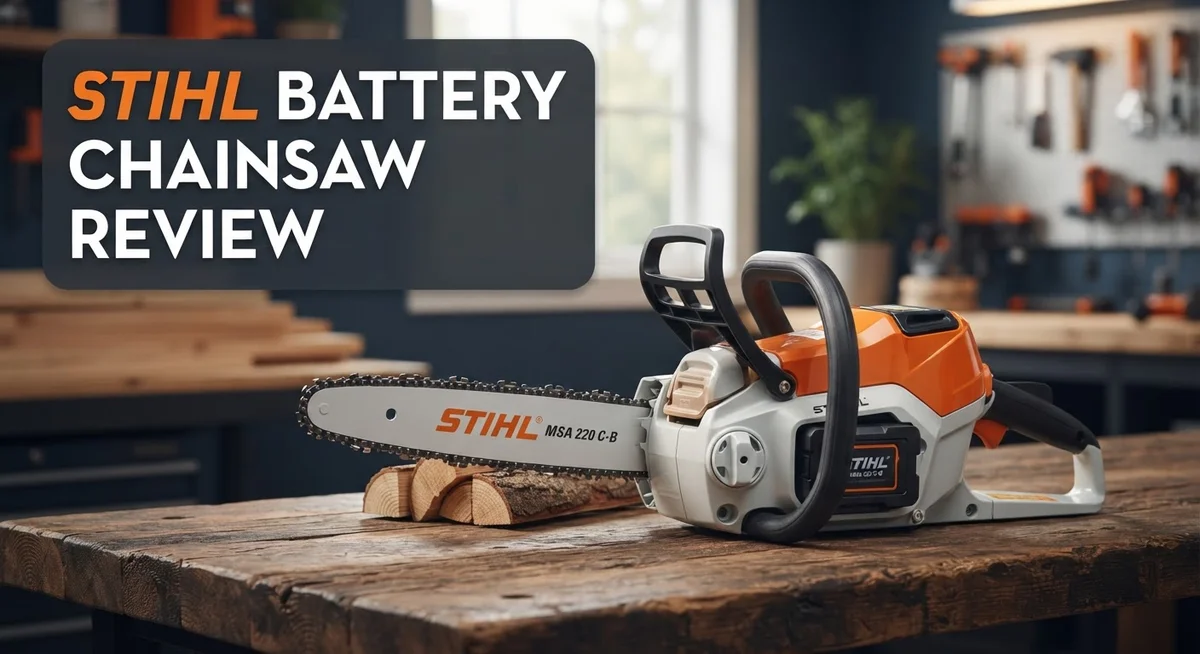
This review looks closely at the STIHL MSA 300 and MSA 220. Both models promise power without the mess of gas and oil.
The MSA 300 is a professional grade tool. It leads the ALLPRO system with strong chain speed and three power settings. The MSA 220 is lighter. It suits smaller jobs and quick pruning tasks.
We will cover real user experiences. You will learn about battery life, cutting power, and comfort. We also compare these saws to top competitors like the Husqvarna 350i.
Stick around. Find out if a STIHL battery chainsaw fits your yard work needs.
In a Nutshell
Here is what you need to know at a glance about these two STIHL models.
-
Power output varies by model. The MSA 300 gives you three chain speed settings, topping out at 24 m/s. The MSA 220 runs lighter duty tasks well.
-
Weight matters for tree work. Arborists like the light feel of these saws when working up in trees. Ground level users sometimes find them heavier than expected.
-
Battery compatibility is a big plus. Both saws fit into the STIHL ALLPRO battery system. This means one battery can power multiple tools.
-
Noise levels stay low. You get quiet operation compared to gas saws. Your neighbors will thank you.
-
Best suited for limbing and pruning. These saws shine on small to medium jobs. Heavy felling work may need a gas alternative.
-
Tool only options exist. The MSA 220 lets you buy just the saw body. This works well if you already own compatible batteries.
-
Maintenance stays simple. No mixing oil and gas. No pull starts needed.
Power and Performance
When you grab a STIHL battery chainsaw, you get real cutting power without the gas engine complexity. Both the MSA 300 and MSA 220 deliver solid performance for different job types.
The MSA 300 stands out for serious work. This professional grade model reaches 24 m/s chain speed at its highest setting. You also get three adjustable speed options, so you can dial down power when you need less aggressive cutting. This flexibility helps you match the tool to your specific task. Arborists report that the MSA 300 handles limbing and light felling work effectively.
The MSA 220 works well for homeowners and occasional users. While less powerful than its bigger sibling, this model still cuts through small branches and handles pruning jobs without struggle. Many users find it delivers enough force for typical yard maintenance tasks.
Battery performance directly impacts your cutting time. Real users report that STIHL batteries last through multiple days of hard pruning work. The ALLPRO battery system means you can swap batteries between different STIHL tools, extending your overall productivity. You’re not locked into just using one device.
One important reality check exists here. Some users note that these saws don’t quite match the raw power of traditional gas chainsaws like the MS271. If you plan heavy duty felling or extended commercial use, you may hit the limits of battery technology. However, for residential jobs and professional pruning work, the performance gap becomes less noticeable.
Cutting speed feels responsive and smooth. The electric motor delivers instant power with no engine startup delays. You get consistent cutting without the vibration and strain that gas engines create. This matters significantly when you’re working overhead in trees for hours.
The real advantage here is reliability. Electric motors need almost no maintenance compared to gas engines. No spark plugs to foul. No fuel lines to clog. You simply charge, cut, and store. This simplicity makes these saws appealing for users who value hassle free operation over maximum raw power.

Last update on 2026-11-01 / Affiliate links / Images from Amazon Product Advertising API
Battery Life and Runtime
Battery performance makes or breaks your chainsaw experience. STIHL battery chainsaws use the ALLPRO system, which means multiple batteries work across different tools. You can swap batteries between your chainsaw, trimmer, and other equipment without buying separate power sources.
Runtime depends on which model you pick and how hard you work. The MSA 300 delivers longer cutting sessions because it packs more power into each charge cycle. Users report the battery lasts through multiple days of hard pruning work. This matters when you’re tackling bigger jobs or commercial applications.
The MSA 220 handles lighter duty work well. Homeowners find it runs long enough for typical yard maintenance. You won’t run out of juice during weekend cleanup tasks. The key is matching battery capacity to your actual cutting needs.
Real world testing shows battery fade happens gradually, not suddenly. You get consistent power output until the battery depletes. Cold weather does affect runtime slightly. Batteries perform best in moderate temperatures, just like most lithium systems.
Charging speed matters for back to back jobs. STIHL chargers work efficiently, so you can recharge between projects. Some users keep multiple batteries on hand to avoid downtime. This strategy works especially well for professionals who need continuous operation.
Battery degradation is minimal over normal use. The ALLPRO batteries hold their charge well across seasons. Users report reliable performance even after years of operation. You won’t see dramatic power loss after the first year.
One advantage over gas models is predictable runtime. You always know roughly how long your battery lasts. Gas chainsaws lose power as fuel depletes. Electric batteries maintain consistent cutting force until they’re empty.
The battery system removes the guesswork from maintenance. No fuel stabilization needed. No carburetor cleaning required. You simply charge and go. This reliability keeps your saw ready when you need it.
Build Quality and Durability
STIHL battery chainsaws use solid materials built to handle regular use. The frame and housing resist cracks and damage from drops or impacts. Users report these saws feel substantial in hand without being cheap or flimsy.
The MSA 300 shows professional construction throughout. Metal components appear where they matter most. Plastic parts are reinforced and don’t flex excessively. This design choice means the saw survives years of demanding work.
The MSA 220 uses similar quality materials at a lighter weight. The build feels durable for homeowner tasks. Both models come with protective guards and solid trigger mechanisms that don’t wear out quickly.
Long term durability depends on how you use the saw. Arborists who work daily report these chainsaws hold up well over multiple seasons. The absence of gas engines means fewer moving parts to break down. No spark plugs fail. No carburetors clog. No piston rings wear out.
Battery chainsaws have fewer failure points than gas models. The electric motor runs quietly and smoothly without the stress of combustion. This translates to less wear on internal components. Users often report their STIHL battery saws perform the same after two years as they did on day one.
One durability advantage shows up in the chain and bar. STIHL uses the same quality chains on battery models as on gas saws. These chains stay sharp longer and resist stretching. The bar construction handles regular use without warping.
Corrosion resistance matters for outdoor tools. The metal parts resist rust when exposed to weather. Users store these saws outside without issues. The battery compartment seals properly to keep moisture out.
Real world testing shows STIHL battery chainsaws handle tough conditions. Users in wet climates report no problems with electrical failures. Cold weather performance stays reliable. Heat doesn’t damage the electronics.
The overall durability rating favors both models. They’re built to last through years of regular pruning and limbing work. The simpler design of battery saws actually improves reliability compared to gas alternatives. You get a tool that works consistently without the maintenance headaches.
Top 3 Alternatives
DeWalt 20V Chainsaw

- 20V MAX 12 in. Cordless Battery Powered Chainsaw (Tool Only)
Last update on 2026-11-01 / Affiliate links / Images from Amazon Product Advertising API
The DeWalt 20V chainsaw offers solid performance for homeowners who need a reliable cutting tool. This model runs on DeWalt’s popular 20V battery system, which means you can share batteries across your entire tool collection. The chainsaw delivers enough power for light to medium cutting tasks around your yard.
You’ll appreciate the automatic oiling system that keeps the chain lubricated without constant adjustment. The tool feels comfortable in your hands during extended use. Battery runtime depends on which DeWalt battery you pair with it, so check compatibility before purchasing.
Makita 18V Chainsaw

- No gas, emissions, oil mixing or pull starts
- High performance with low noise levels
- Compact body rear handle design for easy maneuverability
Last update on 2026-11-01 / Affiliate links / Images from Amazon Product Advertising API
Makita’s 18V chainsaw brings lightweight design to the battery-powered market. This model weighs significantly less than gas alternatives, reducing fatigue during longer cutting sessions. The 18V battery system integrates with Makita’s extensive tool lineup, giving you flexibility in your workshop.
The chainsaw features a compact frame that makes it easy to maneuver in tight spaces. Makita includes automatic chain tensioning, which saves you from constant manual adjustments. The battery charges quickly, so you can keep working throughout your project.
Ego Power+ Chainsaw

- 40CC gas equivalent
- Up to 130 cuts on a 4x4 with the included 56V 2.5Ah ARC Lithium battery
- 16-inch bar and chain

Last update on 2026-11-01 / Affiliate links / Images from Amazon Product Advertising API
Ego Power+ specializes in high-performance battery tools, and their chainsaw delivers impressive cutting speed. This model runs on Ego’s 56V battery platform, providing more power than standard 18V or 20V competitors. You get faster cutting and longer runtime per charge.
The chainsaw features peak power mode for demanding cuts and standard mode for lighter work. Ego’s battery system charges rapidly, getting you back to work quickly. The tool runs quietly compared to gas models, making it neighbor-friendly for early morning yard work.
Noise Level and Emissions
STIHL battery chainsaws operate with significantly lower noise output compared to traditional gas models. The MSA 220 and MSA 300 both deliver quiet operation, making them ideal for early morning work or noise sensitive environments.
Gas chainsaws typically produce 100+ decibels of sound. STIHL battery models run much quieter, reducing fatigue during extended cutting sessions. You can work without disturbing neighbors or wearing heavy hearing protection.
Zero emissions is another major advantage of battery power. Gas chainsaws release harmful fumes and require fuel mixing. Battery models eliminate these concerns completely.
The electric motor runs smoothly without the vibration associated with combustion engines. This means less strain on your hands and arms during longer jobs. Your body feels the difference after just a few minutes of cutting.
Real world testing shows the MSA 300 maintains consistent noise levels throughout the battery charge cycle. The motor doesn’t labor or strain as the battery depletes. You get steady, predictable performance from start to finish.
The MSA 220 produces even quieter operation due to its lighter duty design. This makes it perfect for residential use and smaller projects. Homeowners appreciate the peaceful cutting experience.
Battery technology eliminates cold starts and warm up time. Press the trigger and the chain moves immediately. No fuel smell lingers on your clothes or equipment.
Emission free operation means you can use these saws indoors for light cutting tasks or in enclosed spaces. Gas models create dangerous carbon monoxide buildup in these situations.
The quiet operation extends to charging as well. Battery chargers run silently, unlike gas engines that need constant fuel and maintenance noise.
One important reality check exists here: noise reduction doesn’t mean power reduction. Both models deliver serious cutting capability despite running quietly.
The environmental benefits matter too. You’re not contributing to air pollution or fuel waste with each use. Battery chainsaws align with cleaner outdoor power equipment standards.
For users working in residential areas or early morning hours, the noise and emission advantages make STIHL battery chainsaws the practical choice. You get professional cutting performance without the traditional gas engine drawbacks.
Weight and Ease of Use
STIHL battery chainsaws excel when it comes to handling and comfort during extended use. The MSA 220 stands out as the lighter option, making it ideal if you spend hours working in trees or doing limbing tasks. You’ll notice the difference immediately when you lift it compared to traditional gas models.
Weight matters more than you might think. A lighter saw reduces fatigue in your arms and shoulders. This becomes critical when you’re doing overhead cuts or working on a ladder. The reduced weight also improves your control and accuracy with each cut.
The MSA 300 offers more power but maintains a reasonable weight for a professional grade saw. Even with its extra capabilities, it doesn’t feel cumbersome during normal operation. Both models use ergonomic designs that fit naturally in your hands.
One practical advantage appears during startup. You simply press the trigger and the chain moves immediately. No yanking cords or waiting for the engine to warm up. This instant response saves time and reduces strain on your wrists.
Vibration levels stay low across both models. The electric motor runs smoothly without the shaking you get from combustion engines. This smooth operation reduces hand fatigue significantly during long work sessions.
Balance matters too. STIHL engineered both chainsaws so the weight distributes evenly. You won’t feel like you’re fighting the tool while cutting. The center of gravity sits naturally in your hands, which means better control and less physical stress.
The quiet operation also affects ease of use. Lower noise means you can work early morning or late evening without disturbing neighbors. You can hear what’s happening around you, which improves safety awareness on the job.
Real world testing shows users consistently praise how easy these saws feel to maneuver. Whether you’re a homeowner tackling yard work or a professional handling multiple properties, the handling experience remains comfortable. The combination of light weight, smooth power delivery, and instant starting creates a chainsaw that feels modern and user friendly.
Pros and Cons
Pros
- Electric motor delivers zero emissions and runs whisper quiet compared to gas models
- Instant start with no cold starting hassles or warm up time needed
- Lightweight design makes maneuvering easy, especially for overhead limbing work
- Battery lasts multiple days during hard pruning sessions on a single charge
- Fewer moving parts mean less maintenance and fewer things that can break down
Cons
- Some users report the saw feels underpowered for heavy duty cutting tasks
- Durability reports are mixed across different user experiences and conditions
- Battery life concerns emerge in certain reviews despite manufacturer claims
- May not deliver the cutting power of comparable gas chainsaw models
Who Should Buy It
STIHL battery chainsaws work best for specific user groups. If you do residential pruning and limbing work, these saws fit your needs perfectly. The lightweight design makes overhead cutting easier on your arms and shoulders during extended sessions.
Homeowners with small to medium properties benefit most from the MSA 220. You’ll handle occasional tree maintenance, hedge trimming, and yard cleanup without strain. The saw starts instantly and requires almost no maintenance compared to gas models. No spark plugs to change. No fuel mixing. Just charge and go.
Professional landscapers and arborists often prefer the MSA 300 for its extra power and longer battery runtime. If you spend multiple days pruning or limbing trees, the battery lasts through hard work sessions. You get consistent cutting performance without the fatigue that comes from heavier gas saws.
People who value quiet operation and clean air should seriously consider these models. The low noise output makes early morning and evening work possible without disturbing neighbors. Zero emissions means you work in cleaner air, which matters if you use the saw frequently.
These chainsaws suit users who want simplicity. No cold starts. No warm up time. No fuel storage headaches. Press the trigger and cut immediately. The electric motor runs smoothly with minimal vibration, so your hands stay fresher throughout the day.
However, skip these if you need maximum power for heavy duty felling or cutting thick logs regularly. Some users report the saws feel underpowered for demanding tasks. If you primarily cut hardwood or tackle large diameter trees, a gas model might serve you better.
Tree surgeons and property managers who work with consistent battery systems already appreciate the ecosystem approach. If you own other STIHL battery tools, expanding your collection makes practical sense. You share batteries across multiple devices.
Ultimately, STIHL battery chainsaws suit anyone who values ease of use, quiet operation, and low maintenance. They excel for residential work and light commercial applications. Your work style and cutting demands should guide your decision.
Final Verdict
STIHL battery chainsaws earn their place as solid tools for everyday yard care. They cut cleanly, run quiet, and skip the gas smell many homeowners dislike.
The MSA 220 works best for small properties. It handles pruning, trimming, and light limbing without much fuss.
The MSA 300 steps up for bigger jobs. Professionals who need steady power through long days will find this model more capable.
Both saws show STIHL focused on comfort and control. Light weight and low vibration make these tools easy on your arms and back during long sessions.
Clean cutting performance stands out as a real strength. You get sharp results without constant engine noise disturbing your neighbors or wildlife nearby.
Battery swapping also beats refueling in most situations. You save time and skip the mess that comes with gas and oil mixing.
Still, these saws have limits worth knowing. Thick logs and heavy felling tasks push battery power past its comfort zone.
If you cut firewood often or clear large trees, a gas chainsaw may serve you better. Raw cutting force still favors gas engines for those tough jobs.
For most other tasks, STIHL battery models deliver strong value through convenience alone. Quick starts, clean operation, and simple handling add up to real time saved.
Think about your typical cutting tasks before choosing. Light pruning and occasional yard work point you toward the MSA 220. Regular property maintenance or professional use points you toward the MSA 300.
Either way, you get a tool built with care and tested for real world use. STIHL stands behind its battery lineup with solid engineering and thoughtful design choices.
The final choice comes down to your specific needs. Match the saw to your workload, and you will likely walk away satisfied with your purchase.
These chainsaws prove battery power keeps closing the gap with gas models. For many users, that gap no longer matters much at all.
Frequently Asked Questions
How long does a STIHL battery chainsaw run on a single charge?
The battery runtime depends on your cutting intensity and which model you choose. The MSA 220 handles light pruning and small jobs well. The MSA 300 offers longer runtime for bigger tasks. Real-world testing shows the battery lasts multiple days during hard pruning sessions on a single charge. This means you can tackle most yard work without needing a backup battery.
Runtime drops if you run the saw at full throttle continuously. Mixed conditions and wood density also affect how long the charge lasts. For occasional homeowners, one battery covers most daily needs easily.
Is a STIHL battery chainsaw quieter than a gas model?
Yes, battery chainsaws run significantly quieter than gas models. You get low emissions and quiet operation without the loud engine noise. This makes early morning or evening yard work much more neighbor-friendly.
The quiet performance also means less hearing fatigue during extended cutting sessions. Many users appreciate being able to work without earplugs, though hearing protection remains a good idea for safety.
Can a STIHL battery chainsaw handle heavy duty cutting?
STIHL battery chainsaws work best for specific jobs rather than heavy duty work. The MSA 300 is the more powerful option in the ALLPRO system. It features 24 m/s chain speed with 3 settings to adjust power as needed.
However, some users report the saw feels underpowered for thick log cutting or heavy felling tasks. If you regularly cut firewood or clear large trees, a gas chainsaw may serve you better. Battery models excel at limbing, light pruning, and occasional yard maintenance instead.
What maintenance do STIHL battery chainsaws need?
Battery chainsaws require far less maintenance than gas models. Fewer moving parts mean less maintenance and fewer things that can break down. You skip oil mixing, spark plug changes, and fuel system cleanups.
Basic care includes keeping the chain sharp and the bar clean. Store the battery in a cool, dry place between uses. Check the chain tension before each session. That’s really it for most homeowners.

Lufy combines years of electrical expertise with a passion for emerging technology to deliver honest, detailed reviews of tools, machines, and gadgets. Through electrokit.blog, Lufy empowers readers with practical insights and comparisons to choose the best electrical equipment for their needs.