Ryobi 40V Brushless Backpack Blower Review: Airflow, Noise, Runtime and Verdict
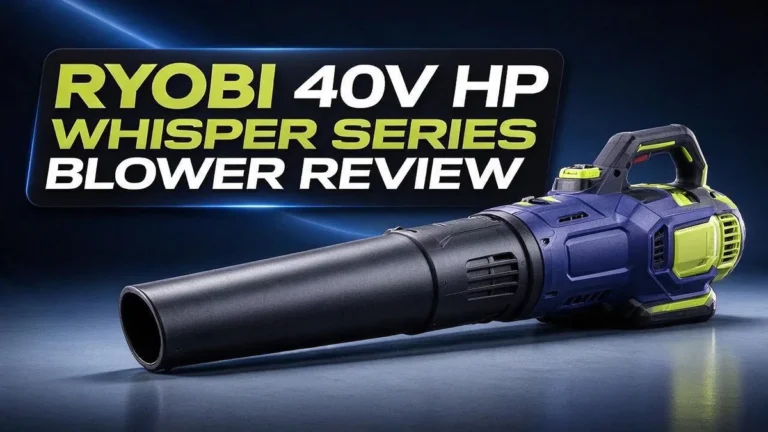
Are you looking for a powerful cordless backpack blower that is easy to carry? The Ryobi 40V Brushless Backpack Blower might be the tool you need. It packs serious power into a clean, quiet design.
Gas models have ruled the yard for years. Many homeowners now want something quieter and lighter. This Ryobi model answers that call.
On the spec sheet, the 850 CFM kit delivers strong airflow. Users say it runs much quieter than a gas blower. It also feels lighter on your back.
Still, every tool has some compromises. Runtime is shorter than a full tank of gas, so you may need to swap or charge batteries. In this review, we cover the good, the bad, and the best use cases.
In a Nutshell
-
Quieter work day: This blower runs quieter than gas models. Your neighbors will notice the calmer sound, and you can work longer without strain on your ears.
-
Shared battery platform: The blower works with other Ryobi 40V tools. One battery can power your whole kit, so you do not need a separate pack for each tool.
-
Easy charge checks: An LCD battery indicator shows how much power you have left. You can plan your work before the battery runs low.
-
Gas-level results: One user reports performance nearly equal to a Stihl BR450C gas blower. That makes this model a serious option for heavy yard cleanup.
-
Plan for downtime: Batteries run out sooner than a full gas tank of mixed fuel. Swapping or charging takes extra time, so keep a spare battery ready.
-
Test the nozzle: One user removes the tapered nozzle to reach maximum airflow. Try the blower with and without the nozzle to see which setup suits your yard best.
Airflow Performance

- High-Performance 40V Technology: Brushless Motor, Advanced Electronics, & High-Performance Lithium...
- Air Volume & Speed: 850 CFM & 180 MPH
- Extended Runtime: Over 2 Hours
Last update on 2026-10-30 / Affiliate links / Images from Amazon Product Advertising API
Airflow decides how well a blower moves leaves and debris. Two numbers matter most here. The first is CFM, or cubic feet per minute. The second is MPH, or how fast air leaves the tube.
CFM measures how much air moves each minute. Higher CFM helps you push large piles across a lawn. Think of it as volume.
MPH measures how fast the air hits the surface. Higher speed loosens debris stuck in grass, gravel, and corners. Think of it as force.
The Whisper Series model offers a different balance. It rates at 730 CFM and 165 MPH. That mix suits people who want strong force with less total volume.
Airflow also depends on your battery setup. Many leaf blower reviews pair this tool with two 8.0Ah batteries. Two packs help you keep working without long pauses.
Wet leaves need more force than dry ones. Dry leaves lift easily at lower speeds. Wet clumps stick to the lawn, so they need stronger airflow to move.
Match your approach to the job. Use wide, steady passes on open lawns. Use slow, careful passes near flower beds so mulch stays put.
Surface type matters too. Smooth concrete lets air push debris far. Thick grass slows the pile, so you may need extra passes.
Driveways and patios reward strong, focused airflow. Sweep in one direction so debris moves in a clean line. Then gather the pile and bag it quickly.
Clear the intake before each use. A blocked intake can reduce airflow and strain the motor. Start at the far end of the area and work toward the exit point. Debris then gathers in one spot, which saves time.
In short, the airflow numbers tell a clear story. The 850 CFM kit suits big cleanup jobs. The Whisper Series suits balanced yard work. Compare these numbers with your yard size and debris type. Test the blower on a small patch first. This shows how your yard responds to the airflow.
Noise and Operator Comfort
Noise matters more than many people expect. Loud machines can wear you out by the end of a long day. A quieter tool makes yard work feel less tiring.
Comfort starts with weight. This blower feels lighter than many gas backpack models. Less weight means your back and shoulders work less during each session.
Check the straps before you start. Make sure they sit snug on your shoulders. A loose fit can shift the load and cause fatigue.
Hold the wand at a relaxed height. Keep your elbows slightly bent and your wrists straight. This posture helps you avoid sore arms after big cleanups.
Hearing protection is still a smart idea. Even a quieter blower adds up over an hour of use. Wear earplugs or earmuffs during long sessions.
Good habits help too. Run a short test before the main job. This lets you feel the balance and adjust the straps.
Gloves protect your hands from debris and cold air. Sturdy shoes give you firm footing on slopes and wet grass. Eye protection matters as well, since flying dust and small twigs can sting. Clear glasses keep your vision safe on every pass.
Plan your route before you begin. Walk in a steady pattern from one side of the yard to the other. This approach reduces repeated bending and keeps your effort even.
Take short breaks to rest your body. Shut off the blower, stretch your back, and drink some water. Your muscles recover faster during these pauses.
Think about your neighborhood too. Run the blower during daytime hours when people expect yard work. Many communities also set rules for leaf blower use, so check local guidelines.
Vibration can affect comfort over time. Keep your grip light so your hands stay relaxed. A soft touch helps prevent numbness in your fingers.
Overall, comfort and noise often go hand in hand. A lighter, quieter tool keeps you working longer. Your body and your neighbors both benefit.
Runtime and Battery System
Runtime depends on your habits. Your battery life changes with the job, the speed you run, and how often you hold the trigger at full power. Light sweeping lasts longer than heavy clearing.
A second battery changes the workday. The review cites two 8.0Ah packs, so one can charge while the other powers the blower. This simple rotation keeps you moving without long waits.
Charge batteries in a cool, dry spot. Heat slows charging and can shorten pack life over time. Let a hot battery cool for a few minutes before you slide it into the charger.
Cold weather also cuts runtime. Batteries hold less charge when temperatures drop, so you may notice shorter sessions on frosty mornings. Keep a spare pack indoors until you need it.
Set a routine for swaps. Swap packs at the same point each time, such as when you finish one section of the lawn. This habit helps you avoid running a pack flat in the middle of a task.
Clean the battery contacts now and then. Dirt or debris can weaken the connection and slow power flow. A dry cloth works well for this small chore.
Store batteries partly charged if you will not use the blower for weeks. Full or empty storage can stress the cells. A partial charge keeps them healthier until your next project.
Think about your yard size before each job. A small patio may need only one pack, while a large property may need both packs and a planned break. Matching the battery plan to the space saves time and keeps your work steady.
Label each battery after use. Mark the packs with a simple note when they are charged or used. This tiny step tells you which pack has the most power left before you head outside.
Run the blower at the speed the job needs. Full power drains a pack faster, so use lower settings for light debris. Save top output for stubborn piles only.
Keep a charging schedule. Charge packs right after finishing work instead of waiting until the next weekend. A charged pack is ready the moment you need it.
Top 3 Alternatives
Here are three strong options if you want a different backpack blower. Each one suits a different type of yard or job.
Stihl BR 600

- Low Vibration Levels
- 64.8cc 4-MIX Engine
- Adjustable Blower Tube
Last update on 2026-10-30 / Affiliate links / Images from Amazon Product Advertising API
The Stihl BR 600 is a gas powered backpack blower built for heavy duty work. Its strong engine moves wet leaves and debris with ease. It is a great pick for large properties and professional crews. Expect a bit more weight on your back, but the extra power makes up for it.
Echo PB-2820

- Great tools at a great price
Last update on 2026-10-30 / Affiliate links / Images from Amazon Product Advertising API
The Echo PB-2820 is another gas powered model known for steady performance. Its easy starting system and comfortable straps help during long days of cleaning. It works well for homeowners with medium sized yards. You get solid airflow without the bulk of heavier machines.
Milwaukee M18 Backpack Blower

- POWERSTATE Brushless Motor delivers 650 CFM and 155 MPH Delivers a higher blowing force than up to 60cc...
- Requires (2) M18 REDLITHIUM batteries to operate Use up to (4) M18 REDLITHIUM batteries for extended...
Last update on 2026-10-30 / Affiliate links / Images from Amazon Product Advertising API
The Milwaukee M18 Backpack Blower runs on battery power, so there is no fuel to mix. It runs quieter than most gas models and starts instantly. Choose this option if you want a cordless blower with less maintenance. Charge the batteries, and you are ready to clear leaves in minutes.
Each alternative offers something different. Gas models bring power for big jobs, while the cordless option brings convenience. Pick the one that matches your yard size and how often you plan to use it.
Nozzle and Attachment Setup
Setting up the nozzle takes less than a minute. Begin with the blower tube. Slide it into the housing until you hear a click.
Turn the lock to secure the tube. A loose tube can rattle or pop off during work. Give it a gentle tug before you power on.
Attachment choice matters too. Many people use a wide tube for open lawns. They switch to a narrow tip for flower beds and corners.
Snap on only the parts you need. Extra pieces add weight and can block the air path. A simple setup keeps quick jobs easy.
Check the fit at the joint. Look for gaps where air escapes. A snug seal keeps the stream steady and strong.
Clean the nozzle after each session. Grass clippings and damp soil can build up inside. Wipe the opening with a dry cloth. Let it dry fully before storage.
Store attachments with the blower. Hang the tube on a hook or lay it flat in a bin. Bent tubes can crack over time and lose their shape.
Remove the tube with care. Press the release tab and pull straight out. Forcing it can damage the locking ring.
Many Ryobi 40V tools share battery packs. This makes it easy to pair the blower with other yard gear. Check your setup before each season.
Try a new attachment on a small patch first. This shows you how the stream behaves. Adjust your plan if needed.
Inspect the tube for cracks each month. Small splits can leak air and reduce control. Replace damaged parts before they fail during a job.
Label attachments if you own several. A quick label saves time when you hunt for the right piece. It also keeps your garage tidy.
Practice a quick change. Swapping parts in a calm spot prepares you for busy moments. Keep the tools in the same place each time.
Give the setup a final look before you start. Make sure every lock clicks and no part wiggles. A quick check now prevents trouble later.
Pros and Cons
Pros
- Rated at 850 CFM on the 850 CFM Backpack Blower Kit.
- Quieter than most gas backpack blowers.
- Lighter and easier to carry than gas models.
- An LCD battery indicator shows the charge at a glance.
- Users report power close to a Stihl BR450C gas blower.
Cons
- Gas tanks refill in minutes, so gas wins on quick refuels.
- Tapered nozzles can cut airflow, so some users remove them.
- Runtime is shorter than a gas tank of mixed fuel.
Who Should Buy It
Homeowners with small to medium yards will likely enjoy this blower most. Weekly leaf cleanup and driveway sweeping suit it well. The lighter frame also makes longer sessions easier on your back.
Neighbors and families in close lots often appreciate a quieter tool. Early morning or evening cleanup feels less disruptive with this model. It can help keep the peace on busy streets.
Hobbyists and gardeners often clear beds, patios, and garden paths. No fuel mixing means one less chore before you start. Quick jobs feel simple and clean.
Crews that work all day may still lean toward gas. Long shifts can demand fewer stops than battery swaps allow. Professionals who need nonstop power often choose the Husqvarna or Stihl alternatives.
Noise sensitive households may want to look at the Whisper Series. Its 730 CFM and 165 MPH rating suit light cleanup well. Heavier jobs still call for the full power kit.
Brand loyal shoppers who already use Makita batteries should compare the EB7660TH. Matching batteries across tools keeps charging simple. Choose the system you already trust.
Buyers who want a simple start should consider this blower for routine yard care. It suits people who want a clean tool without gas. Ask yourself how often you clear debris before you decide.
Ryobi fans with other 40V tools can grow their setup step by step. A blower fits neatly beside a trimmer or hedge tool in the garage. Adding one tool at a time keeps the setup manageable.
Anyone wanting less daily hassle may find this blower a good fit. Fewer fumes and less fuss at startup make the chore feel lighter. The routine feels more relaxed from the first use.
Think about your daily routine. Short, regular cleanups suit this blower best. Long weekend marathons may test your patience.
Who should skip it? Owners with very large acreage may need more runtime. Pros who need nonstop power may find gas tools more suitable. Read the drawbacks carefully before you buy.
Final Verdict
Ryobi’s 40V brushless backpack blower makes a strong case for everyday yard work. It blends solid power with a calmer, cleaner experience.
The real test comes after an hour on your back. Many blowers feel fine at first. This one keeps a steady pace through routine cleanup.
Think of it as a tool for regular care, not rare heavy storms. Use it often for leaves, clippings, and walkways. Frequent use is where its simple controls shine.
Plan your work around battery swaps. One leaf blower review cites two 8.0Ah batteries as a practical setup.
Gas options from Husqvarna and Stihl still hold an edge for heavy power over long shifts.
Overall, this blower wins on convenience for most yards. It is not the only choice, but it is a smart one.
Think about your yard layout too. Tight beds and narrow paths suit a backpack model well. Open lawns may suit other tools.
Remember that rated airflow is a lab style number. Real results depend on nozzle, debris, and technique.
Expect the best results on dry, loose debris. Wet leaves and matted clippings take more passes. Patience beats extra force here.
Safety still matters. Wear eye and ear protection, even with a quieter motor. Keep kids and pets clear of the airflow.
Storage helps batteries last longer. Keep packs at room temperature between seasons. Charge them before long storage so they stay healthy.
Spring and fall cleanup show this blower at its best. Heavy seasonal loads may call for a second battery.
Read the kit details before you commit. Compare any included batteries and chargers with what you need.
Compare the noise, weight, and runtime against your current tool. Write down what matters most to you. Then decide. That simple step keeps the choice clear and honest.
Quick check before buying: think about your yard size, noise limits, and existing battery gear.
In short, this is a strong, simple pick for routine cleanup. Add a spare battery and you will rarely feel held back.
Frequently Asked Questions
Do I need to mix fuel or oil?
No. This blower runs on a battery, so you skip fuel mixing and oil changes. Charge the pack, then start working. This saves time before each session.
How many batteries should I buy?
Reviewers often pair two 8.0Ah batteries with this model. While one pack charges, the other keeps you moving. Plan a second pack if your yard takes more than one charge.
Is upkeep simpler than a gas blower?
Yes, mostly. There is no carburetor to clean and no spark plug to replace. Still, clear the air intake and vents after each use so airflow stays strong.
Where should I store it between jobs?
Keep the blower and batteries in a dry spot indoors. Store batteries at room temperature instead of in a hot shed or a freezing garage. This habit helps your batteries last longer.
Can I use it for quick cleanups?
Yes. Use it for patio sweeps or small piles of clippings without pulling out a full setup. It makes quick jobs feel easy to start.

Lufy combines years of electrical expertise with a passion for emerging technology to deliver honest, detailed reviews of tools, machines, and gadgets. Through electrokit.blog, Lufy empowers readers with practical insights and comparisons to choose the best electrical equipment for their needs.