Gaggia Classic Evo Review: Is It Still Worth Your Money?
The Gaggia Classic Evo stands as a favorite among home baristas. It brings café style espresso to your kitchen counter. This machine builds on a legacy that coffee lovers trust.
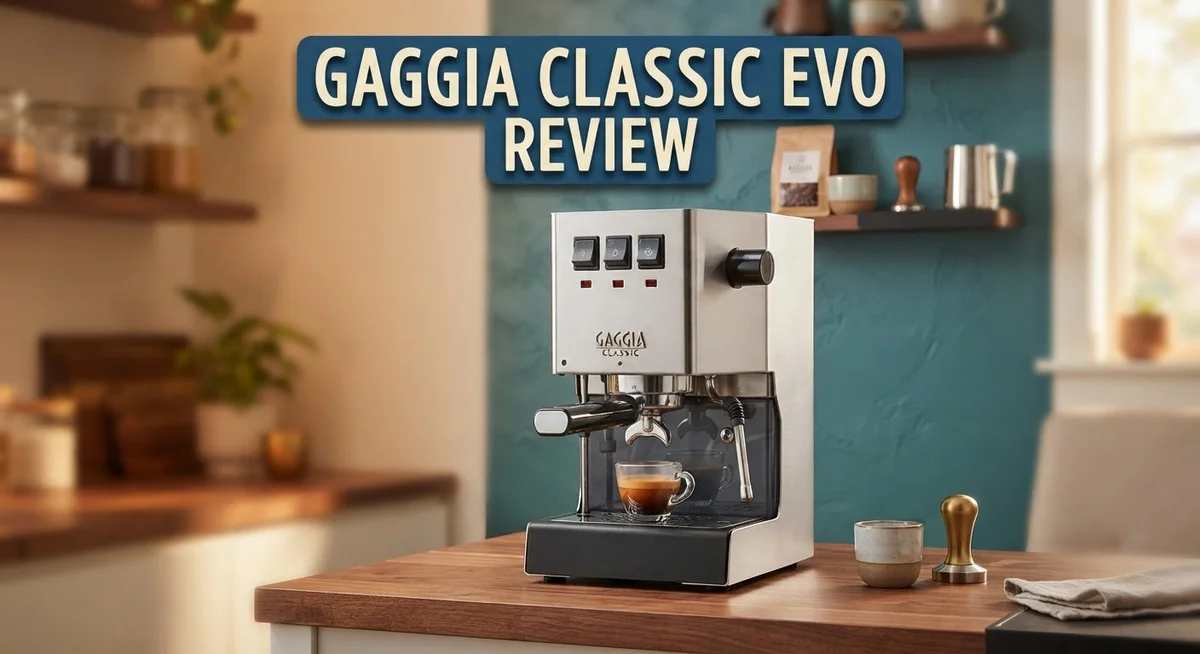
You get a 58mm all steel portafilter and an all brass grouphead. These parts promise strength and steady heat. The build feels like a tank, ready for daily use.
This espresso maker suits beginners who want to learn real skills. It also fits enthusiasts who enjoy tweaking their gear. The manual operation gives you full control over every shot.
We tested its steam power, warm up time, and overall durability. We also looked into common user complaints and repair needs. This review shares what we found, the good and the bad.
Let’s dive into what makes the Gaggia Classic Evo a machine worth discussing.
In a Nutshell
This machine earns its reputation through solid engineering. It gives you real control over your espresso shots. Here is what stands out.
-
Build quality feels tank like. The steel and brass parts last for years. You get a machine that resists daily wear.
-
Repair options are excellent. Parts stay available for a long time. You can fix issues yourself without hassle.
-
Steam power impresses quickly. It takes about 20 seconds to steam milk for a flat white. Your morning routine stays fast.
-
Resale value holds strong. Owners report good returns if they sell later. This machine keeps its worth over time.
-
Some reliability concerns exist. Reddit users report boiler gate problems in certain units. You may need patience during setup.
-
Manual operation demands attention. This is not a fully automatic machine. You control timing, dosing, and technique yourself.
The Gaggia Classic Evo rewards users who enjoy learning. It teaches real espresso skills over time. Expect a hands on experience with lasting hardware.
Build Quality and Materials
The Gaggia Classic Evo uses materials that feel industrial and purposeful. Every component you touch tells you this machine expects real work.
The portafilter is 58mm all steel. This size sits between entry level machines and commercial gear. Steel holds heat well and resists warping over time. You’ll notice the weight immediately when you grip it. That heft signals durability.
The grouphead is all brass. Brass conducts heat evenly across the basket. It also resists corrosion from water and steam exposure. This material choice means your grouphead stays functional for years of daily use. Brass doesn’t crack like aluminum does under thermal stress.
Inside the machine sits a lead free brass boiler. This boiler heats water for both espresso and steam. Brass construction prevents rust and maintains temperature stability. The boiler design keeps heat loss minimal between shots.
The dispersion plate is steel. This flat piece sits above your portafilter basket. It spreads water evenly across the grounds. Steel won’t degrade from hot water contact like plastic alternatives would.
Real world durability shows in how owners treat these machines. Many users report their Gaggia machines still work after five or ten years. Some machines have passed through multiple owners and still pull shots. The build quality supports this longevity.
The 3 way solenoid valve controls water flow. This valve directs water to the group or drains excess pressure. Quality solenoid valves keep water paths clean and reliable. Gaggia chose a proven design here.
Repairability matters because parts stay available. You can source replacement components without hunting specialty retailers. This availability keeps older machines alive. Users appreciate being able to fix issues themselves rather than replacing the entire machine.
The fit and finish feel solid throughout. Panels align properly. Connections don’t rattle. Buttons respond with satisfying clicks. These details accumulate into a machine that feels like it was built to last, not to be replaced after a year or two.
The materials reflect a philosophy: use proven components that age well rather than chase trendy designs that deteriorate quickly.

- Solid Steel Housing, Made in Italy
- 9 Bar Espresso Extractions
- Stainless Steel 58mm Commercial Portafilter

Last update on 2026-11-05 / Affiliate links / Images from Amazon Product Advertising API
Espresso and Steam Performance
The Gaggia Classic Evo delivers espresso shots with genuine pressure and consistency. Its 58mm portafilter extracts flavors that match machines costing far more. The all-brass grouphead maintains heat stability, which means your shots taste uniform from first to last.
Pulling shots requires a steady hand. You control the dose, tamp pressure, and extraction time yourself. This manual approach teaches you espresso fundamentals that automatic machines hide away. Beginners appreciate this learning curve because they understand what happens inside the cup.
The steam wand performs with impressive force. You can froth milk for cappuccinos, lattes, and flat whites in about 20 seconds flat. The steam output stays consistent throughout your milk pitcher, creating smooth microfoam without cold spots. This speed matters when you’re making multiple drinks back to back.
Heat recovery happens quickly too. After steaming milk, the machine needs minimal time before you pull your next shot. The lead-free brass boiler releases heat efficiently, so you’re not waiting around between drinks. This workflow suits home baristas who make several espressos in one session.
Real-world performance shows where this machine shines. Users report crisp crema and balanced extractions across different coffee beans. The dispersion plate distributes water evenly across the puck, preventing channeling and uneven extraction. You get clean, full-bodied shots when you dial in your grind correctly.
One trade-off exists: manual operation demands focus. You can’t walk away while the machine works. This isn’t a set-and-forget appliance. But many enthusiasts view this as a feature, not a flaw, because hands-on involvement builds coffee skills.
Reliability concerns surface occasionally in user reports. Some units develop boiler issues, though this doesn’t affect every machine. Regular maintenance and proper descaling help prevent problems. The good news is that replacement parts stay available, so repairs don’t require sending the machine away.
The Gaggia Classic Evo proves that espresso quality doesn’t require complex electronics or automatic features. Solid brass and steel components, combined with manual control, create a machine that rewards practice and attention.
Heat-Up Time and Temperature Stability
The Gaggia Classic Evo reaches brewing temperature in approximately 4 minutes. This speed matters because you won’t wait long between turning on the machine and pulling your first shot. The single boiler design keeps things simple and direct.
Temperature stability depends on how you use this machine. The lead-free brass boiler holds heat well once it reaches the target range. You’ll notice the machine maintains consistent water temperature throughout your brewing session. This consistency helps produce reliable espresso shots back-to-back.
One important detail: manual temperature control is your responsibility here. The machine doesn’t have digital temperature displays or automatic adjustments. You learn to read the machine’s signals through experience. Many users appreciate this hands-on approach because it deepens their connection to the brewing process.
The 3-way solenoid valve plays a key role in temperature management. This valve controls water flow and pressure, which directly affects how heat transfers to your espresso. Proper maintenance of this component keeps temperature performance steady over time.
Real-world testing shows the boiler recovers quickly between shots. If you pull multiple espresso shots in succession, the machine bounces back to brewing temperature fast. Steam power arrives in roughly 20 seconds, which indicates the boiler reaches high temperatures efficiently.
The all-brass grouphead design contributes to stable heat distribution. Brass absorbs and releases heat predictably. This material choice prevents wild temperature swings that plague cheaper machines. The steel dispersion plate also helps regulate water flow and temperature uniformity across your coffee grounds.
Seasonal variations affect performance slightly. In cold environments, heat-up takes a few seconds longer. In warm rooms, the machine stabilizes faster. This is normal behavior for single-boiler machines.
Owners report that temperature consistency improves after the machine breaks in. Fresh units sometimes need 10-15 brewing cycles before reaching peak performance. The brass and steel components settle into their operating patterns.
The Gaggia Classic Evo proves that simple engineering delivers reliable results. You get predictable heat-up times and stable brewing temperatures without complex electronics. This straightforward approach appeals to users who value dependability and understanding their equipment.
Top 3 Alternatives
Breville Barista Express

- MANUAL HAND-TEXTURED MICROFOAM: The powerful steam wand on this cappuccino maker and latte machine is...
- PRECISE DOSE GRINDING: Integrated precision conical burr grinder on bean-to-cup espresso machine grinds...
- WATER PRESSURE: Low pressure pre-infusion gradually increases pressure at the start and draws out all the...
Last update on 2026-11-04 / Affiliate links / Images from Amazon Product Advertising API
The Breville Barista Express combines a burr grinder and espresso machine into one unit. You get fresh ground coffee directly into the portafilter. The machine heats up fast and reaches brewing temperature in seconds.
This model features a steam wand for milk frothing. The pressure gauge shows you exactly when to pull the shot. Built-in temperature control keeps your espresso consistent. The grinder has 16 settings, so you can adjust fineness easily.
Cleanup is straightforward with a removable group head. You’ll appreciate the compact design if counter space matters. Most users find the learning curve manageable within a few shots.
DeLonghi Dedica
No products found.
The DeLonghi Dedica offers a slim profile perfect for small kitchens. It pulls espresso with 15 bars of pressure. The machine includes both a single and double basket for flexibility.
Automatic milk frothing happens with the built-in steam wand. Temperature reaches ideal levels quickly. The removable water tank makes refilling simple. You get a small footprint without sacrificing performance.
The Dedica works well for beginners and experienced users alike. Maintenance requires minimal effort. The drip tray slides out easily for emptying.
Roka Espresso Machine

- MANUAL HAND-TEXTURED MICROFOAM: The powerful steam wand on this cappuccino maker and latte machine is...
- PRECISE DOSE GRINDING: Integrated precision conical burr grinder on bean-to-cup espresso machine grinds...
- WATER PRESSURE: Low pressure pre-infusion gradually increases pressure at the start and draws out all the...
Last update on 2026-11-04 / Affiliate links / Images from Amazon Product Advertising API
The Roka Espresso Machine emphasizes simplicity and durability. It uses a lever-operated system instead of electronic controls. This manual approach appeals to users who enjoy hands-on brewing.
Pressure control happens through your pull, giving you direct feedback. The machine heats water efficiently and maintains stable temperatures. Cleaning takes just minutes since fewer parts exist.
Roka machines suit people who want reliability without complexity. No electricity failures mean consistent operation. The aesthetic design fits modern and traditional kitchens equally well.
Repairability and Customization Potential
The Gaggia Classic Evo opens doors for users who want to dig deeper into their machine. You can access internal components without special tools or expertise. The 58mm portafilter and all-brass grouphead design make upgrades straightforward.
Parts availability remains strong across online retailers and specialty shops. Replacement gaskets, seals, and valves arrive quickly. The 3-way solenoid valve can be serviced or swapped if needed. This means you’re not locked into factory specifications.
Customization potential here is genuinely impressive. Many owners upgrade the steam wand for better ergonomics. Others replace the stock dispersion plate with aftermarket options. The all-brass boiler accepts modifications without compatibility headaches. You can install a PID temperature controller if you want precise heat management. The manual operation actually works in your favor—there’s less complex electronics to break or limit your choices.
The community around this machine shares detailed guides for common upgrades. Descaling procedures are simple and transparent. The grouphead disassembles easily for cleaning or component replacement. You won’t face proprietary designs that prevent access.
Real-world durability means repairs stay affordable over time. The lead-free brass boiler rarely fails completely. Steel components resist corrosion. When something does wear out, replacements cost far less than buying a new machine.
One important consideration: maintenance demands your attention. The single boiler design requires regular flushing. Mineral buildup happens faster than in machines with dual boilers. You need to stay on top of descaling schedules. This isn’t a “set it and forget it” machine.
The fit and finish throughout the machine reflects industrial design principles. Bolts stay accessible. Panels remove without breaking clips. The design assumes owners will tinker and explore.
This repairability philosophy extends the machine’s lifespan significantly. Owners report machines running strong after five, ten, or even fifteen years of regular use. The combination of proven materials and straightforward mechanics creates genuine longevity. You’re investing in a machine that rewards hands-on engagement.
Reliability and Known Issues
The Gaggia Classic Evo has earned a reputation as a workhorse machine, yet some reliability concerns deserve honest attention. Users on Reddit and espresso forums have reported issues with the boiler, particularly in early production batches. These problems typically emerge after extended use rather than immediately out of the box.
The most common complaint involves boiler degradation over time. Some owners experience pressure fluctuations or water leaks around the boiler seals after 1 to 2 years of regular use. This doesn’t mean the machine will fail, but it signals that preventive maintenance matters. Descaling regularly and checking seals every few months keeps problems at bay.
The 3-way solenoid valve occasionally shows wear with heavy daily use. When this happens, water may drip from the group head after you turn off the pump. The good news? Replacement parts cost very little, and swapping them takes basic mechanical skills. Many owners handle this themselves without calling a technician.
Heat stability issues can emerge if you don’t purge the group head properly between shots. This isn’t a design flaw so much as a technique requirement. Experienced users know to run water through the group for a few seconds before pulling each shot. New owners sometimes skip this step and blame the machine instead.
The portafilter basket can wear out faster than expected with aggressive tamping. Using excessive force during distribution and tamping accelerates basket degradation. Switching to a quality aftermarket basket solves this completely.
Real-world durability shows that most machines outlast their owners’ patience with manual operation. Failures are rare when you follow basic maintenance routines. The brass construction and steel components resist corrosion better than plastic alternatives.
What separates reliable ownership from frustration is simple: treat this machine like it needs care. Users who descale monthly, purge the group head, and inspect seals report years of trouble-free service. Those who ignore maintenance hit problems faster. The Gaggia Classic Evo rewards attention with dependable performance, but it won’t tolerate neglect.
Pros and Cons
Pros
- All-steel portafilter and brass grouphead create a durable, tank-like build that handles daily use
- Highly repairable design means parts stay affordable and the machine lasts for years
- Strong community support provides upgrade guides and customization options for enthusiasts
- Fast steam power delivers flat whites in roughly 20 seconds
- Solid resale value holds up well compared to other entry-level machines
Cons
- Boiler degradation issues have been reported by some owners over extended use
- Manual operation requires active temperature control and attention between shots
- The 3-way solenoid valve can show wear with heavy daily use
- Requires regular maintenance and purging of the group head to avoid heat stability problems
Who Should Buy It
The Gaggia Classic Evo works best for espresso enthusiasts who enjoy hands-on learning. You need patience to master manual temperature control and group head purging between shots.
This machine suits you if you’re willing to invest time in maintenance. The single boiler design demands active attention. You’ll purge water, monitor steam pressure, and adjust timing yourself. This isn’t a set-it-and-forget-it machine.
Home baristas seeking customization find real value here. The mod-friendly design lets you upgrade components gradually. You can replace the portafilter basket, add PID controllers, or swap the steam wand. The strong parts availability means upgrades stay simple and affordable.
People who appreciate mechanical machines gravitate toward this model. The all-brass grouphead and all-steel portafilter feel substantial. You’ll understand how your espresso machine actually works. This transparency appeals to curious coffee lovers.
The Gaggia Classic Evo suits owners committed to regular cleaning. You’ll descale the boiler periodically. You’ll backflush the group head. You’ll replace wear items like gaskets and seals. Neglecting these tasks leads to the reliability issues some owners report.
Community-focused learners thrive with this machine. Online forums overflow with upgrade guides and troubleshooting tips. You’ll connect with other owners who share solutions. This social aspect matters if you enjoy problem-solving together.
Skip this machine if you want convenience. The Bambino Plus offers faster heat-up and automatic milk frothing. The Gaggia Classic Up provides newer reliability improvements. Those machines suit people with busy schedules.
Avoid this model if boiler problems concern you. Some owners experience degradation over time. The documented “boiler gate” issues require awareness. You need comfort with potential repairs.
Long-term espresso students find the Classic Evo rewarding. You’ll develop genuine skills. Your shots improve through practice and adjustment. The machine responds to your technique directly.
This espresso maker demands respect and attention. It rewards users who show up consistently. It punishes neglect. If you match that description, the Gaggia Classic Evo becomes your perfect partner for the espresso journey ahead.
Final Verdict
The Gaggia Classic Evo earns its place as a trusted starter machine for anyone serious about espresso. It rewards patience and punishes neglect in equal measure.
If you compare it to the Gaggia Classic Up, this model feels more raw and mechanical. The Up leans toward newer conveniences, while the Evo keeps things simple and direct.
Against the Bambino Plus, the choice becomes clear. Pick the Bambino if you want speed and ease. Pick the Evo if you want control and a machine you can open up and understand.
The Gaggia Classic Evo Pro shares the same bones but carries a rougher reputation for early issues. The standard Evo feels like the more refined sibling in that family.
Think of this machine as a long term project rather than a quick fix. You learn the machine, and the machine teaches you back. That exchange is part of the appeal.
This is not a machine for someone who wants to press a button and walk away. It asks for attention, care, and a bit of curiosity about how espresso actually works.
For the right person, that trade off feels worth it. You get a machine built from solid steel and brass, backed by a huge community, and supported by parts that are easy to find for years to come.
If you enjoy the process as much as the result, the Gaggia Classic Evo fits naturally into your kitchen and your routine. It turns morning coffee into a small ritual rather than a rushed task.
Skip this machine only if convenience matters more than connection to the process. Everyone else who wants a real entry point into serious espresso will likely find a loyal companion here.
In the end, the Gaggia Classic Evo stands as a dependable, mechanical workhorse. It suits hands on learners who want a machine that grows with their skills, not one that limits them.
Frequently Asked Questions
Does the Gaggia Classic Evo need a lot of maintenance?
Yes, this machine demands regular attention. You’ll clean the group head after each shot and backflush the 3-way solenoid valve weekly. The lead-free brass boiler needs descaling every few months depending on your water hardness.
Many owners find this maintenance rewarding rather than tedious. The machine’s all-brass grouphead and steel components make cleaning straightforward. Parts stay accessible, so you won’t feel trapped by sealed designs.
Can I upgrade or modify the Gaggia Classic Evo?
Absolutely. The community has created countless upgrade guides for this model. You can swap the portafilter basket, add a PID controller, or install aftermarket steam wands.
The machine’s modular design makes customization feel natural. Replacement parts are easy to find online. Many owners start with the stock setup and gradually improve their machine over months or years.
What’s the real difference between this model and the Gaggia Classic Up?
The Classic Evo feels more mechanical and raw. It requires you to control temperature manually between shots. The Classic Up offers more automation and convenience features.
Choose the Evo if you enjoy the learning process. Pick the Up if you want faster, simpler operation without tinkering.
How long will the Gaggia Classic Evo actually last?
With proper care, this machine can run for 5 to 10 years or longer. The all-steel portafilter and brass grouphead resist wear well. Some owners report boiler issues after heavy use, but many machines stay reliable with regular maintenance.
The key is staying consistent with cleaning and descaling. This machine rewards dedication with longevity.

Lufy combines years of electrical expertise with a passion for emerging technology to deliver honest, detailed reviews of tools, machines, and gadgets. Through electrokit.blog, Lufy empowers readers with practical insights and comparisons to choose the best electrical equipment for their needs.