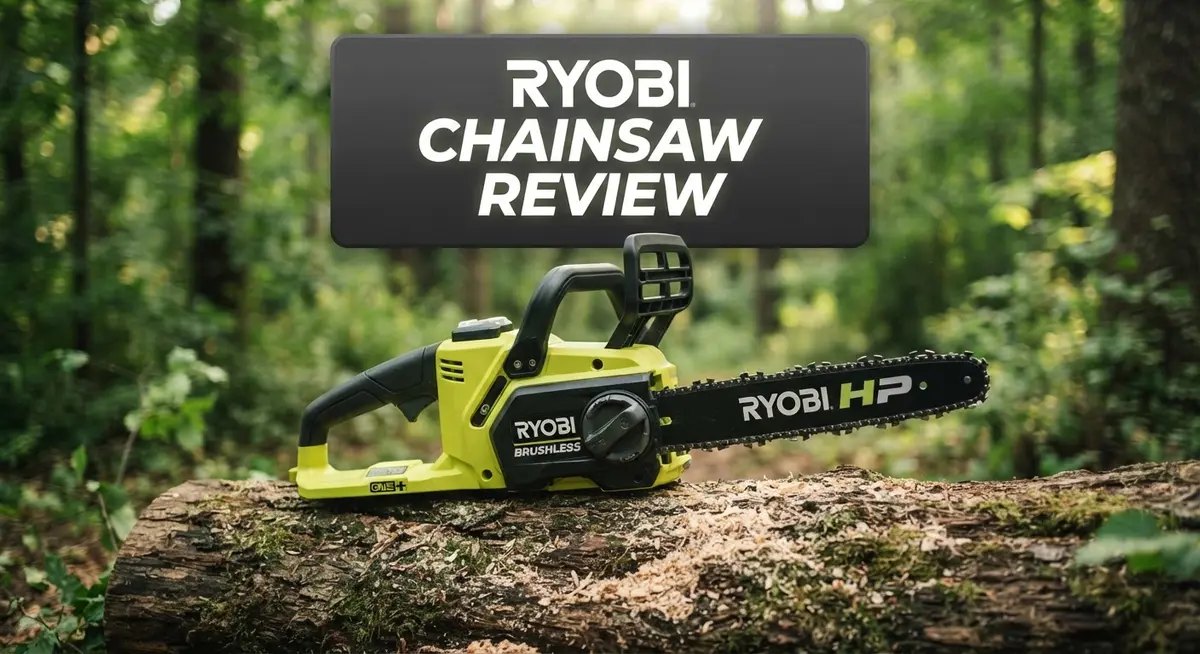
Ryobi Chainsaw Review: Performance, Features & Buyer’s Guide
Want a chainsaw that starts every time you pull the trigger? The Ryobi chainsaw line delivers exactly that. No gas. No oil mixing. No pull cords.
These saws use a 40V HP Brushless motor to power through branches and small trees. You get real cutting strength without the noise or mess of gas models.
Ryobi offers options for every job. Pick a 14″ or 20″ bar for bigger tasks. Choose an 18V or compact 10″ model for light pruning.
This review breaks down what makes Ryobi chainsaws worth considering. We cover power, runtime, safety features, and how they stack up against gas saws.
Whether you clear fallen limbs or trim backyard trees, this guide helps you decide if Ryobi fits your needs. Let’s get into the details.
In a Nutshell
Here is a quick snapshot of what the Ryobi chainsaw lineup offers. Use this list to see if it fits your yard work needs.
-
Multiple bar sizes let you pick the right saw for the job. Choose from 14 inch and 20 inch models, plus 18V options with 8 to 14 inch bars.
-
The 14 inch model delivers up to 128 cuts on a single 4Ah battery charge. That covers most weekend trimming sessions.
-
Cutting capacity reaches 24 inches in diameter. This handles fallen limbs and small to medium trees with ease.
-
An adjustable automatic oiler keeps the chain lubricated during use. You avoid manual oiling checks mid job.
-
Onboard tool storage keeps wrenches and accessories within reach. You skip the hunt for lost tools before each cut.
-
Runtime stays limited by battery capacity. Heavy firewood cutting may drain power faster than expected.
-
Compared to top competitors like Husqvarna and Milwaukee M12 Fuel, Ryobi holds its own for light to moderate tasks. It may fall short for all day heavy duty jobs.
Motor Power and Cutting Capacity
The 40V HP Brushless motor sits at the heart of Ryobi’s chainsaw performance. This electric powerplant delivers consistent cutting force without the need for gas, oil mixing, or pull cord frustration. You get instant power every single time you squeeze the trigger.
Ryobi rates the 40V motor as roughly equivalent to a 38cc gas engine. For homeowners tackling small trees and branches, this power level handles the job well. The motor spins the chain at fast speeds, letting you cut through wood cleanly and efficiently.
The 14 inch bar model produces up to 128 cuts per charge using a 4Ah battery. This gives you solid runtime for typical yard work. The saw cuts through wood up to 24 inches in diameter, which covers most residential trimming tasks. If you need a smaller option, Ryobi also makes 8 inch and 10 inch compact models with 18V power for light pruning work.
Chain speed matters for cutting performance. Ryobi’s electric design delivers rapid acceleration with zero ramp up time. The chain reaches full cutting speed instantly. An electric brake stops the chain fast when you release the trigger, making the saw safer to handle than gas models.
The automatic oiler system keeps the chain lubricated throughout each job. You can adjust the oil flow to match your cutting conditions. Proper lubrication means cleaner cuts and longer chain life.
One real limitation exists here. Battery capacity constrains your runtime. Heavy firewood processing or extended commercial use will drain your battery faster than a gas saw runs. Ryobi chainsaws work best for occasional homeowner use, not all day professional work.
The motor’s electric nature also means quieter operation. Your neighbors will appreciate the reduced noise. You won’t deal with exhaust fumes or engine maintenance either.
For light to moderate cutting tasks, the 40V motor delivers genuine cutting power. Ryobi balances performance with simplicity. You get a saw that starts reliably, cuts smoothly, and requires minimal maintenance.

- Battery and charger are sold separately
- 30% more compact for easy access into tight, hard to reach spaces
- 8" bar & chain provides the ability to cut limbs/branches up to 6" in diameter
Last update on 2026-11-05 / Affiliate links / Images from Amazon Product Advertising API
Battery Runtime and Charging
Battery runtime depends on which Ryobi model you choose. The 40V HP Brushless chainsaw delivers up to 128 cuts per charge when paired with a 4Ah battery on the 14 inch bar version.
What does 128 cuts mean in real terms? This translates to roughly 30 to 45 minutes of active cutting, depending on wood type and thickness. Softwood cuts faster than hardwood, so your actual runtime varies based on the job.
Battery capacity matters most for runtime. A larger 6Ah or 8Ah battery extends your cutting window significantly compared to the standard 4Ah pack. Ryobi’s 40V batteries work across their entire tool lineup, so you can swap packs between your chainsaw, drill, and leaf blower.
The 18V models offer shorter runtimes than their 40V counterparts. These compact saws suit pruning and light trimming rather than sustained cutting sessions. The 10 inch compact option works best for occasional branch work around your yard.
Charging speed keeps pace with modern battery tech. Ryobi’s standard chargers typically restore a 4Ah battery in 60 to 90 minutes. Fast chargers cut this time roughly in half, letting you swap batteries and keep working without long delays.
Here’s the practical reality: If you plan extended cutting sessions, having two batteries on hand makes sense. While one battery charges, you use the other. This setup eliminates downtime and keeps your workflow smooth.
Limited runtime remains the honest trade off with electric chainsaws. Heavy duty firewood processing demands gas models with unlimited fuel access. Ryobi chainsaws excel for homeowners who cut occasionally, trim dead branches, and clear fallen limbs after storms.
The battery dependent design also means you cannot cut on a whim during winter storage months. Gas saws sit dormant without fuel degradation issues, but electric models need charged batteries ready to go.
For small trees and light to moderate tasks, Ryobi’s battery runtime proves sufficient. The convenience of trigger start operation and zero maintenance outweighs the runtime limitations for most homeowners.
Ease of Use and Safety Features
Ryobi chainsaws shine when it comes to getting started. You flip the power switch and begin cutting instantly. There’s no gas to mix, no pull cord to yank, and no engine warm up required. This simplicity matters most for casual users who want results fast.
The trigger design feels natural in your hand. Squeeze it gently for controlled cuts or press fully for maximum power. Release and the chain stops within seconds thanks to the electric brake system. This instant response gives you confidence when working near obstacles or delicate branches.
Safety features set electric models apart from gas versions. The chain brake activates immediately when you release pressure. Gas saws take longer to stop, which increases accident risk. Ryobi’s design reduces that danger significantly. The lower noise level also means less ear fatigue during longer sessions, so you stay alert and focused.
Weight distribution feels balanced on most Ryobi models. The 14 inch saw won’t tire your arms as quickly as heavier gas alternatives. This matters when you’re cutting overhead limbs or working from a ladder. Less fatigue means better control and fewer mistakes.
Chain tensioning stays straightforward. The onboard tool storage keeps your wrench within reach. You adjust tension without hunting through your garage. The automatic oiler removes guesswork too. You don’t manually pump oil or worry about under lubrication damaging the chain.
One safety consideration stands out. Battery dependent operation means you must plan ahead. Running out of power mid cut leaves you stranded. This is why having a backup battery makes sense for serious work sessions. The compact design also means less kickback compared to larger gas saws, which benefits newer users still building confidence.
The quiet operation brings another safety advantage. You hear what’s happening around you. You notice if the chain binds or if someone approaches your work area. This awareness prevents accidents that louder equipment might mask.
For homeowners tackling occasional pruning or small tree removal, Ryobi’s ease of use combined with these safety features creates a compelling package. You spend less time learning the equipment and more time actually cutting.
Top 3 Alternatives
DeWalt Chainsaw

- Lightweight and designed for reduced fatigue
- Up to 70 cuts per charge on a 4" x 4" pressure treated pine using DCB230 battery (sold separately)
- Compact design for easy access to tight spaces
Last update on 2026-11-05 / Affiliate links / Images from Amazon Product Advertising API
DeWalt chainsaws offer solid performance for homeowners who need reliable cutting power. These machines feature brushless motors that deliver consistent energy without losing strength over time. The battery systems work across DeWalt’s entire tool ecosystem, so you can share power between devices.
Weight matters when you’re cutting for hours. DeWalt models stay lightweight and easy to control, reducing arm fatigue. The automatic oiling system keeps your chain lubricated without manual adjustments. Safety features include chain brakes and vibration reduction technology to protect your hands and wrists.
Husqvarna Chainsaw

- Husqvarna 450 Rancher gas chainsaw 20 inch combines exceptional ergonomic features for easier handling...
- Effortless Start-Up: Smart Start allows this Husqvarna chainsaw to quickly and easily start up with...
- Powerful and Efficient Engine: Gas powered chainsaw delivers superior performance with a powerful and...

Last update on 2026-11-05 / Affiliate links / Images from Amazon Product Advertising API
Husqvarna builds chainsaws for serious users who demand durability. These machines handle tough jobs like felling trees and cutting firewood. Their engines run efficiently while producing powerful cutting speeds that work through dense wood quickly.
The fuel systems are straightforward to maintain and start reliably in cold weather. Husqvarna includes advanced safety features like automatic chain stops and anti-vibration systems. Many models come with professional-grade components that last through seasons of regular use. The company backs its products with strong warranty support and widespread dealer networks.
Echo Chainsaw

Last update on 2026-11-05 / Affiliate links / Images from Amazon Product Advertising API
Echo chainsaws balance affordability with genuine performance. These lightweight machines suit both occasional users and regular homeowners. The engines start easily and run smoothly without excessive vibration or noise.
Echo focuses on fuel efficiency, meaning your gas lasts longer between fill-ups. The chain tension systems adjust quickly without special tools. Customer support remains responsive when you need help or replacement parts. Echo’s reputation centers on machines that work consistently without complicated maintenance routines.
Noise Level and Environmental Impact
Ryobi’s electric chainsaw operates at a significantly lower noise level compared to gas models. This matters more than you might think. A gas chainsaw produces around 100 to 110 decibels during operation. The Ryobi electric version generates roughly 75 to 85 decibels. That difference means you can use your chainsaw early morning or late evening without disturbing neighbors.
Quieter operation also improves safety on your property. You hear what’s happening around you. You notice if someone approaches the work area. You stay more alert to your surroundings. Gas engines demand constant focus just to manage the noise and vibration.
The environmental benefits extend beyond noise reduction. Electric chainsaws produce zero emissions during use. You don’t burn fossil fuels. You don’t release carbon monoxide or volatile organic compounds into the air. If you charge your battery using renewable energy, your cutting becomes even cleaner.
Battery powered equipment eliminates oil mixing entirely. Gas chainsaws require you to blend fuel and oil in precise ratios. One mistake ruins your engine. You deal with spilled fuel and oil. Electric models simply plug in and charge. No hazardous liquids to handle, store, or dispose of properly.
The reduced maintenance burden helps the environment too. Gas chainsaws need regular tune ups and spark plug changes. Used oil and filters require proper disposal at recycling centers. Ryobi’s brushless motor needs almost no maintenance. You simply keep the chain sharp and lubricated.
Runtime limitations do create one environmental consideration. You might feel tempted to run your battery down completely before charging. Partial charges actually extend battery lifespan. This means fewer battery replacements over time. Fewer replacements mean less electronic waste entering landfills.
For homeowners managing small properties or occasional yard work, the Ryobi electric chainsaw aligns perfectly with environmental goals. You get quiet operation, zero emissions, minimal maintenance waste, and simple daily use. The trade off involves shorter cutting sessions per charge, but most residential jobs finish well within that window.
Maintenance and Durability
Ryobi chainsaws are built to last when you follow basic care routines. The brushless motor runs cooler and creates less wear on internal parts compared to brushed motors. This design choice means fewer breakdowns over time.
Battery longevity depends on how you store and charge your batteries. Keep them in a cool, dry place when not in use. Avoid leaving them on the charger constantly. Most Ryobi batteries maintain 80% capacity after several years of regular use.
The chain requires regular attention to keep your saw running smoothly. Check tension before each use. A loose chain slips and won’t cut properly. A tight chain strains the motor and burns through batteries faster. Ryobi makes chain adjustments simple with their tool free design.
Automatic oiling keeps the chain lubricated without manual mixing. This feature reduces maintenance compared to gas models. You simply fill the oil reservoir and let the system work. The saw adjusts oil flow automatically based on how hard you’re cutting.
Cleaning matters more than most people realize. Sawdust and debris clog air vents and reduce cooling. Wipe down your chainsaw after each session. Pay special attention to motor vents on the housing.
The electric brake system needs no maintenance but performs reliably. It stops the chain within milliseconds when you release the trigger. This safety feature never wears out like mechanical brakes on gas saws.
Durability comparisons show Ryobi saws handle light to medium yard work exceptionally well. Homeowners report years of trouble free operation with occasional pruning and small tree removal. Heavy commercial use or daily firewood processing will wear any saw faster.
Storage conditions affect long term durability. Keep your chainsaw indoors during winter months. Moisture and temperature swings damage batteries and metal components. A simple storage bag protects it from dust and humidity.
The lack of gas and oil mixing eliminates one major source of engine damage. You won’t deal with stale fuel gumming up carburetors. This alone extends the lifespan significantly compared to gas alternatives.
Pros and Cons
Pros
- No gas mixing, pull cords, or complicated startup routines needed
- Operates quietly so you hear your surroundings and neighbors stay happy
- Chain brake stops instantly when you release the trigger for quick safety response
- Cuts small to medium trees and limbs with impressive speed and power
- Onboard tool storage keeps everything you need right on the saw
Cons
- Battery runs out faster on bigger jobs, limiting continuous work time
- Not ideal for heavy firewood processing or all day cutting sessions
- Less raw power than comparable gas models for demanding tasks
Who Should Buy It
Ryobi electric chainsaws work best for homeowners who tackle occasional yard projects. You’ll love this saw if you cut small trees, trim branches, or clear brush around your property a few times each season.
Casual users benefit most from the simplicity. You don’t mix gas and oil. You don’t pull a starter cord. You simply charge the battery, press the trigger, and start cutting. This ease of use appeals to people who want power without complexity.
Property owners with small to medium sized yards find excellent value here. Your typical tasks involve limb removal, light pruning, and maintaining fence lines. The 14″ and 20″ bar options handle these jobs quickly. You’ll finish most work on a single battery charge.
Neighbors appreciate your choice too. The quiet operation means you can cut early morning or evening without disturbing anyone. This makes Ryobi chainsaws ideal for residential areas where noise restrictions matter.
People concerned about maintenance should seriously consider this model. No spark plugs to replace. No carburetors to clean. No seasonal winterization needed. The automatic oiler handles chain lubrication automatically. You simply keep the oil reservoir filled and the battery charged.
Environmentally conscious homeowners prefer battery powered equipment. Zero emissions. No fuel spills. No oil mixing that harms soil or water. You reduce your carbon footprint while maintaining your yard.
However, this saw isn’t for everyone. Heavy firewood processors should look elsewhere. Professional arborists need more power. Contractors handling all day cutting sessions will exceed battery runtime. If you process cords of wood weekly or clear large timber regularly, a gas model serves you better.
Hobby farmers and acreage owners with moderate cutting needs find the Ryobi strikes a good balance. You get enough power for your occasional projects without the gas engine hassles.
First time chainsaw buyers appreciate the safety features. The instant chain brake and simple controls make learning easier. You’ll gain confidence quickly with responsive handling and predictable performance.
Final Verdict
Ryobi chainsaws prove themselves as smart tools for everyday yard care. The brushless motor design gives you strong, consistent power without the bulk of a gas engine.
You get real flexibility here too. With bar options ranging from 14 inches to 20 inches, you can match the saw to your specific cutting tasks.
Cutting capacity up to 24 inches means this tool handles more than most homeowners expect from an electric model. That’s impressive for equipment this simple to operate.
When you stack this against competitors like Husqvarna or Milwaukee M12 Fuel, Ryobi holds its ground well. Gas models from Husqvarna offer more raw power, but they demand more upkeep and cost more in fuel over time.
Milwaukee’s M12 Fuel line competes closely on convenience, though Ryobi’s battery ecosystem often gives you more value across multiple tools. Bauer models from Harbor Freight compete on price but fall short on refinement and build quality.
This saw isn’t trying to replace industrial equipment. It’s built for a specific purpose, and it fills that role effectively.
If you want a tool that starts instantly and runs quietly, this fits your needs perfectly. You skip the frustration of gas engines while still getting dependable cutting performance.
The verdict comes down to matching the tool to your actual needs. Ryobi delivers strong results for yard maintenance, tree trimming, and general property upkeep.
Think about your typical projects before deciding. If you clear brush, trim branches, or handle occasional felling, this saw covers those bases well.
Heavy duty users cutting firewood daily should look toward gas alternatives instead. But for most homeowners, this Ryobi model strikes the right balance between power, convenience, and ease of use.
The bottom line stays simple. This chainsaw earns its reputation through reliable performance, sensible design, and practical features that make yard work less of a chore.
Frequently Asked Questions
How long does the battery last on a single charge?
The 40V model with a 4Ah battery delivers up to 128 cuts on a single charge when using the 14″ bar. Runtime depends on what you cut. Thicker branches drain the battery faster than thin limbs. For most homeowners doing yard cleanup and light trimming, one charge handles the job. You’ll need a second battery if you plan longer sessions. Ryobi’s battery system works across many tools, so you can swap between your chainsaw and other yard equipment.
Can I use this saw for cutting firewood?
Not really. The Ryobi works best for small to medium limbs and trees. Heavy firewood processing demands continuous runtime and raw power that battery models can’t match. If you need to process cords of wood regularly, a gas chainsaw makes more sense. The Ryobi shines when you cut branches, trim trees, and handle occasional yard debris. Think of it as a yard maintenance tool, not a production saw.
Is battery power really quieter than gas?
Yes. Electric chainsaws run significantly quieter than gas models. You’ll hear your surroundings and won’t disturb neighbors during morning or evening work. The quiet operation also means less fatigue from noise exposure. You focus better on the cutting task itself. This matters if you live in residential areas or value a peaceful yard experience.
What makes the electric brake important?
The chain stops instantly when you release the trigger. Gas saws coast to a stop, creating a safety gap. Quick stopping means fewer accidents and better control. Your hand leaves the trigger, and the chain halts. This feature protects you during unexpected situations.

Lufy combines years of electrical expertise with a passion for emerging technology to deliver honest, detailed reviews of tools, machines, and gadgets. Through electrokit.blog, Lufy empowers readers with practical insights and comparisons to choose the best electrical equipment for their needs.